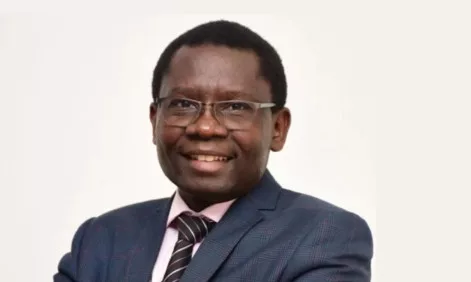
 Alfred Gachaga./HANDOUT
So, Mary asked me: “How do I invest in sukuk?” A simple question, but one that opens the door to a broader conversation about Islamic finance, conventional investment options and what works best for those of us navigating life between Kenya and the UAE.
Let’s start with the basics: what exactly are sukuk?
Sukuk are often referred to as “Islamic bonds,” but that doesn’t quite do them justice. A better way to think about them is this: while conventional bonds are essentially IOUs that earn you interest, sukuk are asset-backed certificates that give you a slice of ownership in a tangible asset or project.
No interest (or riba), no gambling (maysir) and no shady industries (haram stuff like alcohol or pork). Instead, sukuk investors earn a return through profit-sharing or lease income.
That means you get paid not because someone owes you money, but because you’re part-owner of something that’s generating real-world value.
Islamic vs conventional: What’s the difference?
Let’s do a quick side-by-side.
● Conventional investments: earn returns from interest, dividends, or capital gains. Think government bonds, mutual funds, equities. No restrictions on which industries or companies you invest in.
● Islamic investments: must comply with Shariah. So, no interest and companies must pass ethical screens. Instead of interest, you earn through profit-sharing (like sukuk), or capital gains on Shariah-compliant stocks and funds.
And yes, both types are available in Kenya and the UAE.
In the UAE, sukuk are part of a well-established Islamic finance ecosystem. Banks like Emirates Islamic, Abu Dhabi Islamic Bank and even investment apps like Wahed offer retail access to sukuk and Islamic mutual funds.
In Kenya, things are just starting to take off. The government has floated the idea of sovereign sukuk for infrastructure projects, and there’s a small but growing market for Shariah-compliant unit trusts.
Why consider Sukuk?
If you’re someone who wants stability, a predictable income and ethical investing, sukuk might be your jam. They’re generally less volatile than equities and many are backed by government or blue-chip institutions.
They offer periodic profit distributions (kind of like bond coupons) and they come with a clear structure so you know what you’re buying.
The returns might not blow your socks off, but then again, this isn’t a crypto casino. It’s about preserving and growing your money without taking unnecessary risk.
Not quite. They’re different tools for different goals.
Think of it like your wardrobe: sukuk are your reliable work shoes, not flashy, but they get the job done every time. Stocks? That’s your Saturday night fit, great for making a statement, but not something you wear every day.
Stocks (especially those in growth markets) are great for long-term wealth building, but they require a stronger stomach for market swings.
What about index funds and Islamic ETFs?
For those who want diversification without picking individual stocks or sukuk, Islamic index funds and ETFs offer a solid middle ground.
These funds track a basket of Shariah-compliant companies or sukuk, giving you exposure to various sectors without the headache of research.
In the UAE, there’s access to options like the FTSE Shariah UAE Index and global funds managed out of hubs like Malaysia or Saudi Arabia. In Kenya, it’s a bit more limited, but cross-border platforms are beginning to bridge the gap.
The upside? You spread your risk. The downside? Like all funds, they come with management fees and don’t guarantee returns. But if you’re building a long-term portfolio, they’re worth considering, especially if you want your money working in a halal way without needing to become a full-time analyst.
So, what should you pick?
It all comes down to your financial personality and your goals. Let’s paint two profiles:
● Fatima, 38, runs a small business in Nairobi and sends her kids to school in Mombasa. She wants a stable income and peace of mind. For her, sukuk (local or via UAE platforms) paired with a low-risk Islamic ETF could offer reliable cash flow and slow-but-steady growth.
● Bilal, 29, is working in the UAE, saving for a home, and okay with a bit more volatility. He might lean into equities, mixing UAE stocks with offshore Islamic funds, maybe even dabbling in halal tech ETFs.
The magic isn’t in choosing “the best” investment. It’s in choosing a blend that fits your life, your cash flow needs, and your risk tolerance.
Cross-border advantage
Here’s where it gets interesting for those living between Kenya and the UAE.
You can use UAE platforms to invest in USD-denominated assets (sukuk, ETFs, Islamic funds), earn tax-free returns and convert your profits when the shilling is in your favour. That gives you currency hedging, global exposure and Shariah compliance all in one shot. Some UAE banks even let you use your sukuk or investment portfolio as collateral for low-interest personal financing.
That’s not just smart investing. That’s strategic planning.
And the compliance angle?
Let’s not forget this is GRC Monday, so here’s your compliance nugget:
Whether it’s sukuk, stocks, or structured funds, one thing regulators hate is mis-selling. That’s when someone sells you a product that looks great on paper but isn’t suitable for your actual needs.
In Shariah-compliant finance, the stakes are even higher. The product has to meet your financial profile and your faith values.
That’s why suitability assessments exist, and why professional advisers need to really understand you, not just toss a prospectus your way and hope you sign.
When done right, compliance isn’t red tape. It’s your seatbelt on a financial journey. It keeps you from taking unnecessary risks and ensures that the ride, whether bumpy or smooth, aligns with your values and goals.
Final Take:
You don’t have to choose between being halal and being profitable. You just have to be thoughtful.
Sukuk, stocks, Islamic ETFs, they’re all tools in the toolkit. The trick is knowing which one to use, and when. As always, the best portfolios aren’t just built with money. They’re built with purpose.
So next time someone asks, “Sukuk or stocks?” you can answer like an investor who knows how to dress for the occasion.