The Kenyan government is planning a significant shift in its electricity supply strategy for densely populated estates and informal settlements, aiming to tackle the persistent issue of illegal power connections.
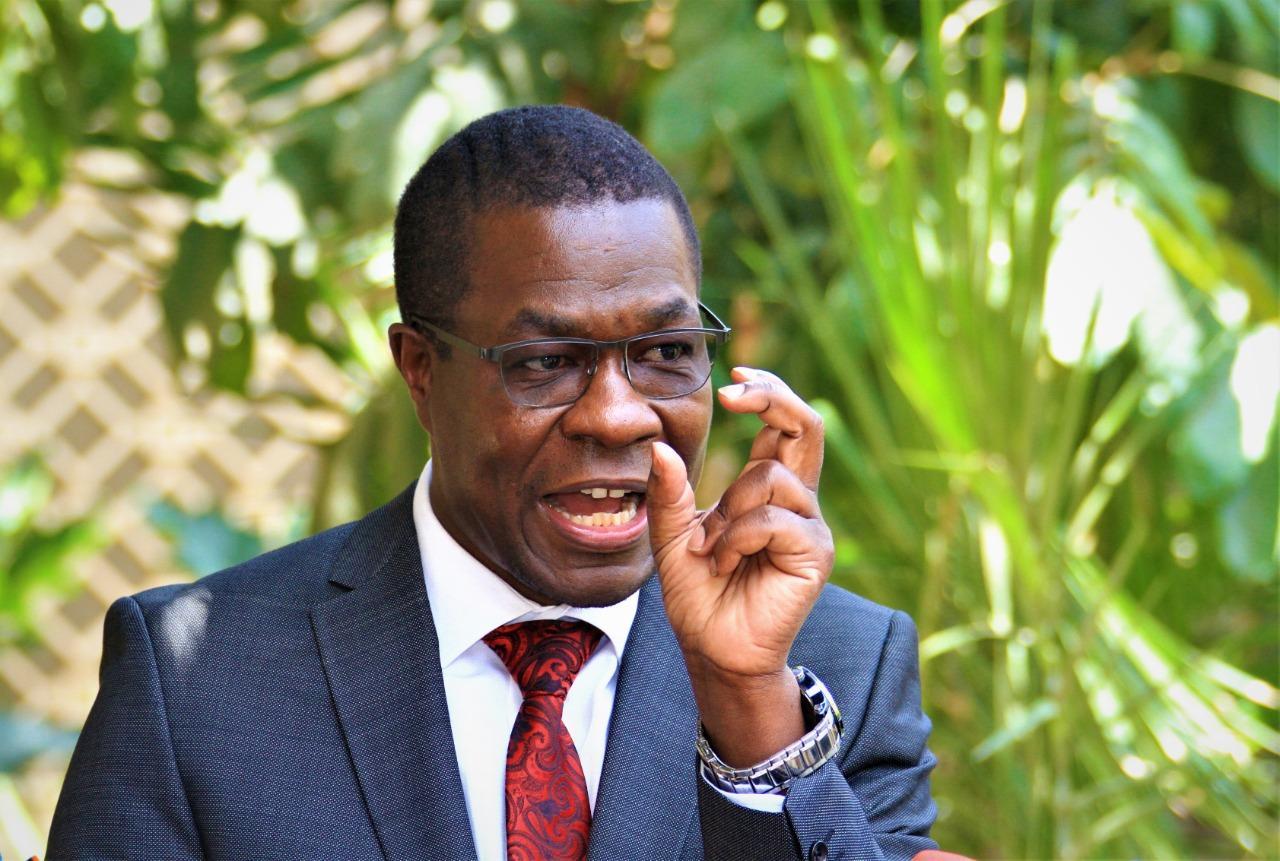
Energy Cabinet Secretary Opiyo Wandayi announced that this new approach, termed bulk metering, will facilitate the provision of safe and legal electricity to areas where Kenya Power and Lighting Company (KPLC) has historically faced operational difficulties.
So, What is Bulk Metering?
Under the proposed bulk metering system, instead of KPLC installing individual electricity meters for every single house, they will now implement one main electricity meter for an entire estate, large building, or neighbourhood.
This primary meter will be registered to a single individual or company, who will then act as the official power buyer from KPLC.
This appointed entity will be responsible for:
Distributing electricity to all the homes within that designated area.
Ensuring each household pays for their exact consumption.
Submitting one combined monthly payment to KPLC.
Crucially, each individual house will still be equipped with a sub-meter to accurately track its electricity usage, ensuring residents only pay for what they consume.
The key difference is that instead of directly dealing with KPLC, residents will now interact with this designated bulk buyer or group.
Why is the Government Implementing This?
The government's move towards bulk metering is driven by several critical objectives:
To Reduce Illegal Power Connections: This system aims to curb dangerous and unauthorised power taps, particularly prevalent in high-density informal settlements.
To Enhance Safety: Unregulated and makeshift wiring has been a significant cause of fires and power outages in many areas, a risk this system seeks to mitigate.
To Improve Service Delivery: By dealing with one central customer instead of hundreds, KPLC anticipates more efficient management and faster resolution of power-related issues.
To Boost Payment Efficiency: This model is expected to reduce revenue losses for KPLC, contributing to greater financial stability for the utility and more reliable power supply for consumers.
"In places where KPLC staff can’t enforce rules due to security or overcrowding, this bulk billing system will help us ensure people still get power — but legally and safely,” Wandayi explained, highlighting the practical benefits for hard-to-reach areas.
KPLC directs Kenyans to upgrade their metres by November 24 or face blackout
Will Residents Be Forced to Join a Group?
No. According to the plan, residents of a building or estate will need to reach a consensus among themselves on who will represent them.
This representative could be a landlord, an estate committee, a housing cooperative, or any other legally registered body. The chosen person or entity will then become the official point of contact with KPLC.
Will It Cost More?
Not necessarily. Each household’s usage will continue to be tracked via a sub-meter, and consumers will only pay for their exact consumption. However, the bulk buyer may introduce a small service fee to cover administrative costs or maintenance of the internal distribution network.
What Happens Next?
Once the implementation plan is finalised, the Ministry of Energy and KPLC will collaborate with local leaders and community representatives.
Their aim is to thoroughly explain the new system and strategically roll it out in appropriate areas across the country.
This new bulk metering model has already demonstrated success in other countries, and the Kenyan government is hopeful it will provide a long-term, sustainable solution to electricity supply challenges in informal and overcrowded urban areas.
In essence, instead of individual households contracting directly with KPLC, entire estates or plots will feature one official power buyer who manages electricity distribution for all residents, aiming for a safer, simpler, and more reliable power supply.