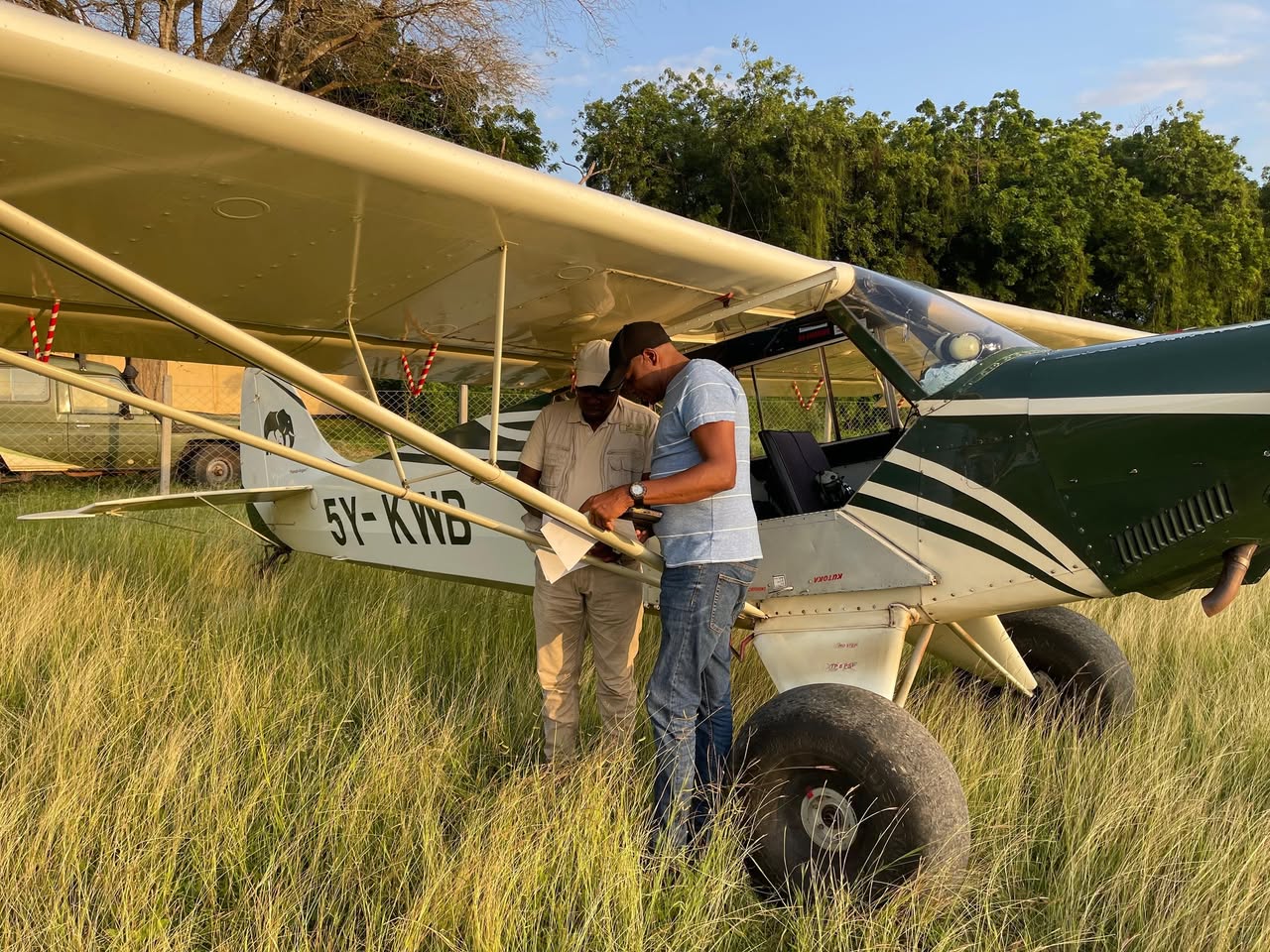
Census officials/FILE
The Wildlife Research and Training Institute has released preliminary results from the ongoing national wildlife census, highlighting significant findings in elephant populations and conservation efforts.
Dr Patrick Omondi, WRTI director, reported the discovery of
65 elephants in Kipini, a first for the region. To monitor these elephants,
plans are underway to fit them with satellite collars to track their movements
and determine their origins.
Additionally, the 50 elephants translocated from Mwea
National Reserve to Aberdare National Park have been found outside the reserve,
indicating successful adaptation to their new environment.
The census has covered 44 blocks across 23,279 square
kilometres, including areas in lower Garissa, Lamu and parts of Tana River
counties. The analysis aims to assess population trends, species density,
migration patterns, habitat status, and potential areas of human-wildlife conflict.
Upcoming surveys and data processing
Next week, the team will conduct surveys in Shimba Hills and
Mkomani, utilising helicopters to navigate the forested areas.
The data collected will be processed using statistical
models, GIS and visualisation tools to generate comprehensive reports.
The forthcoming census report is expected to shed light on
the impact of the 2022 drought, which resulted in significant wildlife
mortality. The findings will inform conservation strategies and policy
decisions.
The final National Wildlife Census report is anticipated to
be submitted to the President by August 2025.