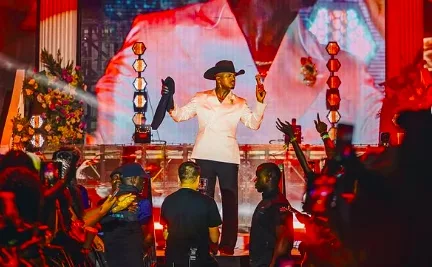
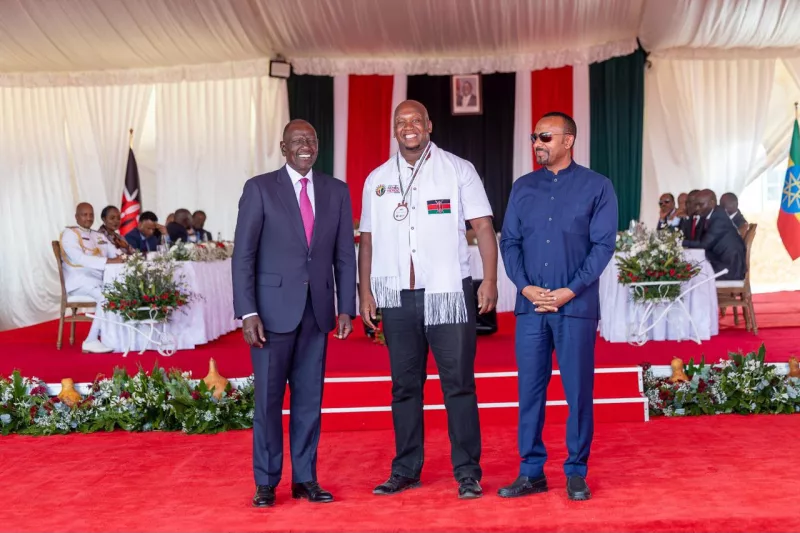
Kenya’s urban culture is a fast-evolving blend of tradition, and growing youth expression. On the streets of Nairobi, Kisumu, and Mombasa, culture is not confined to galleries or textbooks — it is visible on moving buses, heard in the language of the streets, and worn proudly in everyday fashion.
From matatu art to Gengetone beats, here are six cultural touchpoints that continue to shape Kenya’s dynamic identity.
Matatu Culture
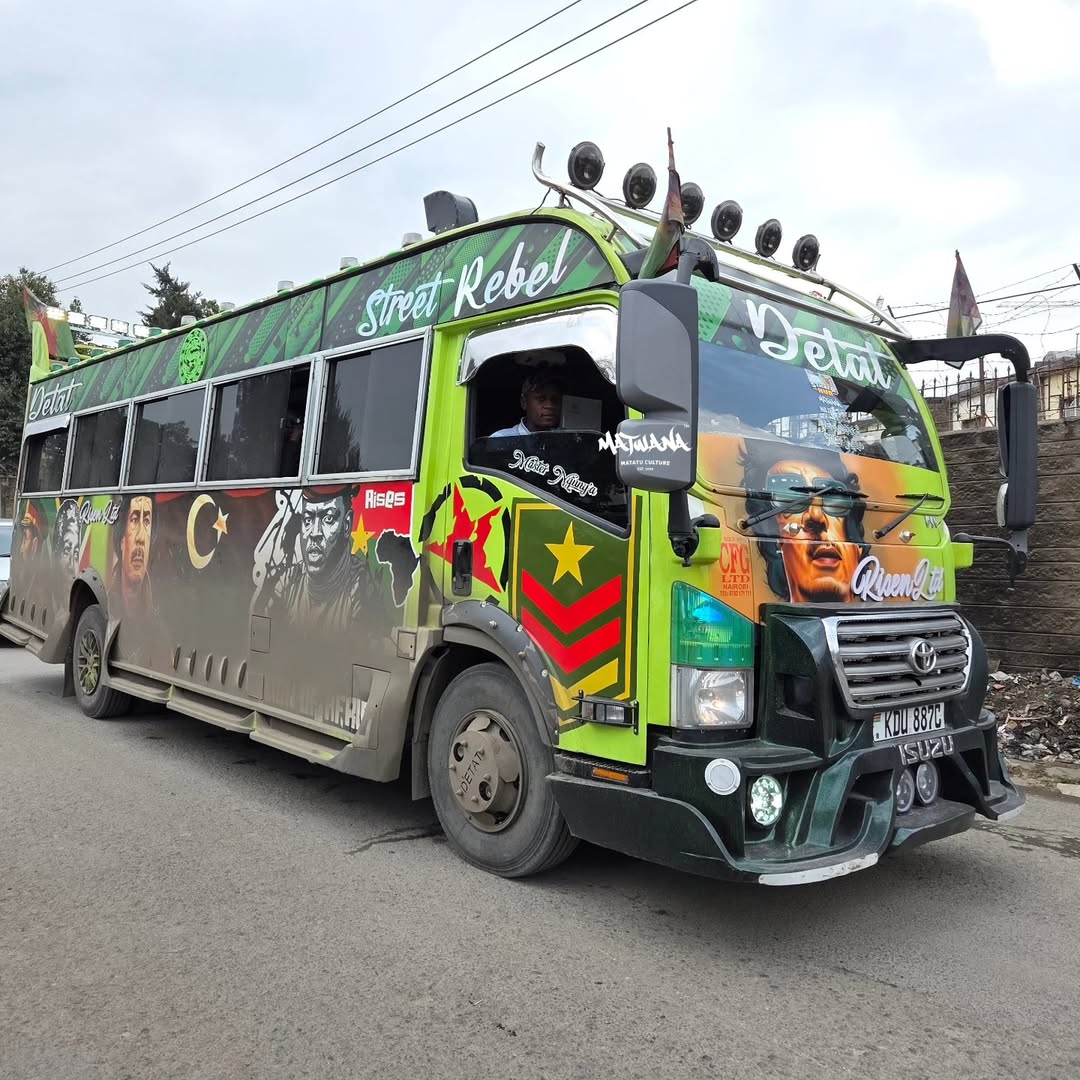
Matatus — Kenya’s privately owned minibuses — are much more than a means of transportation. They serve as mobile canvases for visual and musical creativity. With bold graffiti, flashing lights, powerful sound systems, and stylized interiors, matatus reflect the interests and tastes of Kenya’s youth.
Many feature portraits of global music stars, religious symbols, political figures, or viral social commentary. In places like Nairobi’s Eastlands or Githurai, matatus are an extension of street culture. Coming up with spaces where art, music, and community converge. This follows the popular naming and launching of matatus. E.g. Merlin and Mood.
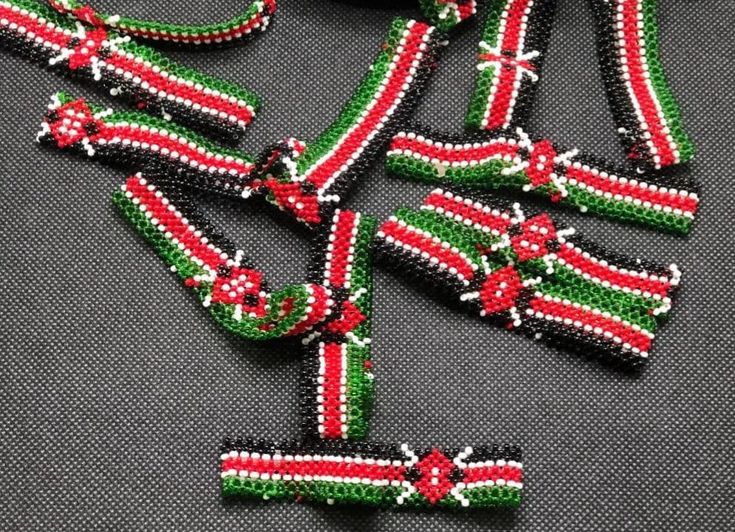
Beaded Wristbands
Simple yet powerful, beaded wristbands have become popular accessories among Kenyan youth. Inspired by traditional Maasai beadwork, these items are now customized with the national flag.
Often sold by roadside vendors or local artisans, the wristbands have become a personal and affordable way for young people to express pride, affiliation, or even protest. In the digital age, they also appear as subtle props in selfies and influencer content — a silent but visible signal of belonging.
Maasai Shukas
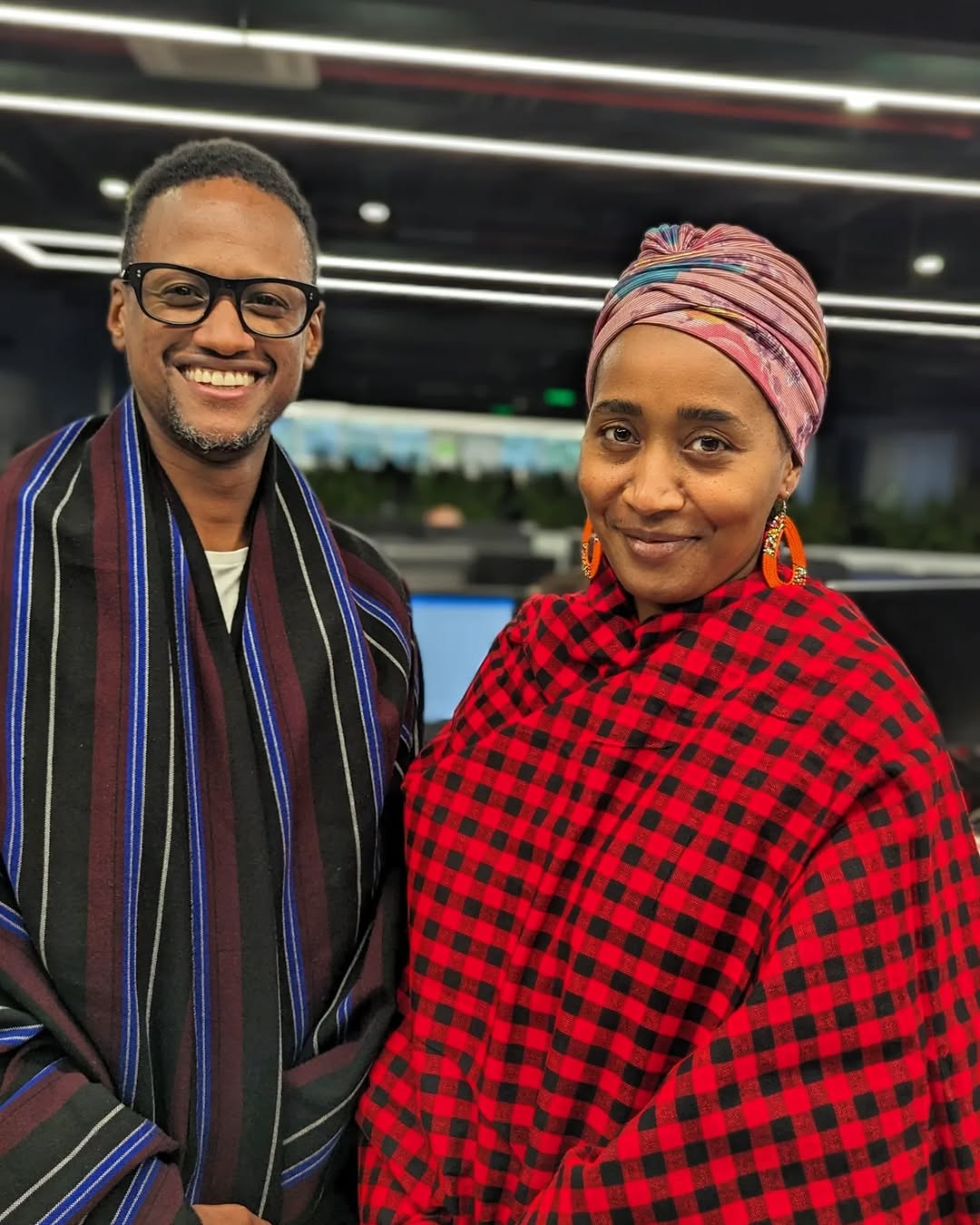
The Maasai shuka — a checked blanket traditionally worn by Maasai men — has found a new life in contemporary fashion. Once limited to pastoral communities, the shuka is now worn across urban Kenya as a statement of cultural pride and identity.
During cold mornings in Nairobi, it’s common to spot commuters wrapped in red or blue shukas. Designers and creatives have also adapted the fabric for jackets, scarves, and modern wear. For many, the shuka connects them to a sense of heritage in an increasingly globalized world.
Sheng: The Evolving Language of a Generations
Sheng, a fluid mix of Swahili, English, and local dialects, continues to evolve as the lingua franca of Kenya’s urban youth. It originated in Nairobi’s Eastlands but has since spread across the country — powered by music, social media, and peer-to-peer communication.
Used in everything from memes to mainstream advertising, Sheng reflects the creativity, humor, and resilience of Kenyan youth. Its fast-changing vocabulary also serves as a generational marker — a way for young people to create and maintain a language of their own.
Gengetone Music
Over the past few years, Gengetone has emerged as a dominant musical genre among Kenyan youth. Known for its heavy beats, street slang, and bold lyrics, the genre draws from dancehall, hip-hop, and local storytelling traditions.
Artists like Ethic, Sailors, and Mbogi Genje have popularized the style, often addressing themes such as urban hustle, and identity. While Gengetone has faced criticism for its explicit content, it remains a powerful cultural force, giving voice to a demographic.

Nyama Choma: The Social Flame of Kenyan Culture
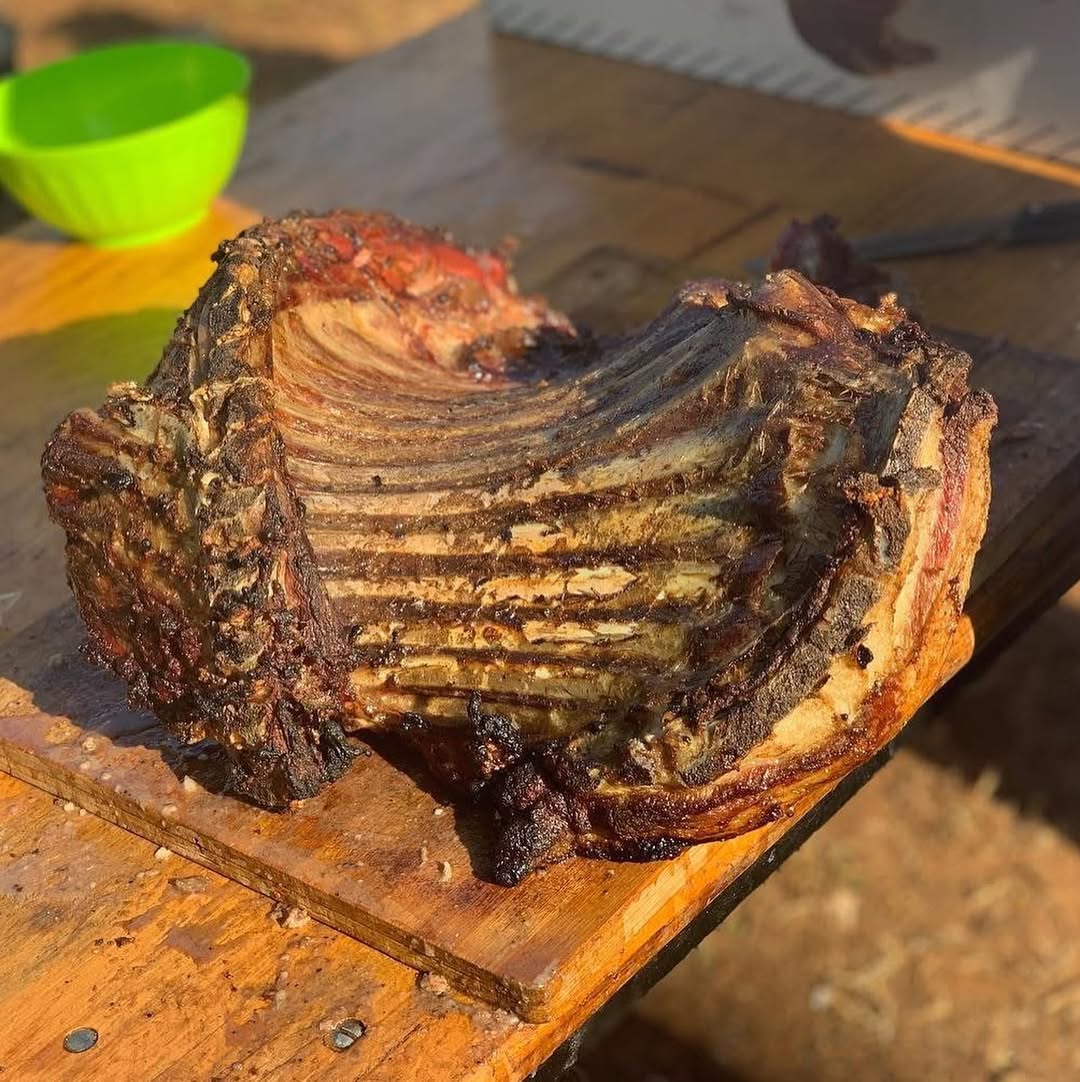
No gathering in Kenya is complete without nyama choma — roasted meat, typically goat or beef, slow-cooked over open fire and often served with kachumbari and ugali. While a longtime staple of communal life, nyama choma has grown beyond the local grill into a cultural experience of its own.
Entire festivals now celebrate the delicacy — from Choma na Ngoma to Meatopia and local county meat expos. These events blend food, music, fashion, and social networking, drawing crowds of thousands. Nyama choma has become more than a meal; it's a national ritual, a symbol of togetherness, and a key part of Kenya’s social calendar.
Culture in Motion
Together, these six elements — matatu art, beaded wristbands, Maasai shukas, Nyama Choma, Sheng, and Gengetone — illustrate the vibrancy and complexity of Kenyan urban life. They are more than trends; they are living expressions of how history, struggle, pride, and innovation continue to shape national identity.
In Kenya, culture is evolving fast, with people who are ready to replicate it into the younger generation.