Since its formation in the aftermath of the 2007 elections, the National Cohesion and Integration Commission (NCIC) has become a central figure in the country’s struggle against ethnic discrimination and conflict.
As the country continues to grapple with issues of diversity, identity, and national unity, the NCIC’s mandate and its real impact have remained a source of public debate and scrutiny.
The NCIC was established in 2008 under the National Cohesion and Integration Act following the devastating 2007-2008 post-election violence that rocked the country and left over 1,100 people dead, displacing more than 600,000 others.
The violence exposed deep-seated ethnic divisions and prompted urgent conversations on how to heal the nation’s wounds and prevent future atrocities.
The commission was set up to “promote national identity and values, mitigate ethno-political competition and ethnically motivated violence, eliminate discrimination on ethnic, racial, and religious basis, and promote national reconciliation and healing” for a fractured Kenya.
At the core of its mandate, the NCIC is empowered to facilitate and promote equality of opportunity, foster good relations among various ethnic and racial communities, and advise the government on policies to mitigate conflict.
Beyond advocacy, the commission is also expected to monitor hate speech, conduct civic education, and initiate or recommend legal action against individuals or groups propagating hate or division.
However, there are clear boundaries to what the commission can accomplish. While it can summon individuals for questioning, issue directives, coordinate peace accords, and push for prosecution of hate speech cases, it is not—in itself—a prosecutorial body.
It depends heavily on partnerships with other state agencies, such as the Judiciary and the National Police Service, to hold offenders accountable for their actions.
This means its ability to ensure the punishment of those responsible for spreading hate is limited and indirect.
Many have pointed out that although the commission can summon the people it is investigating, the matter ends there.
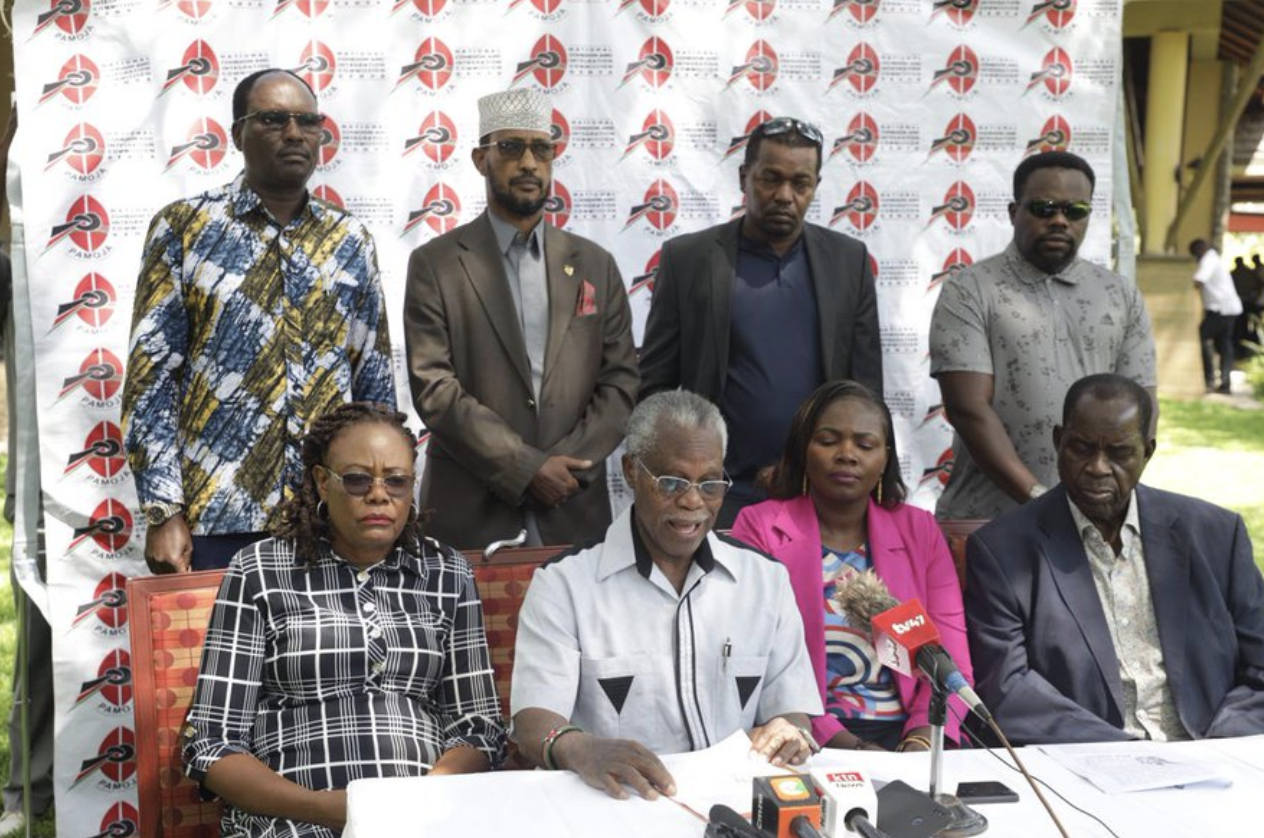
NCIC chair Rev. Dr. Samuel Kobia has repeatedly assured that the commission is committed to fulfilling its mission of fostering national unity, combating hate speech, and promoting peace in the country.
“We will fulfil our mandate without fear or favour, and we will call out political players who use their platform to incite us to violence. Dear Kenyans, you have my pledge,” Kobia said in a recent press briefing.
Political interference and ethnic partisanship have often been seen to undermine the NCIC’s authority.
Elected officials—in some instances, the very people inciting tension—have questioned the legitimacy and effectiveness of the NCIC, even threatening to dissolve and defund it for failing to address the spread of hate speech decisively.
But Kobia has charged back, stating: “As a commission, we will be the custodian of national values and ethos as spelt out in Article 10 of the Kenya Constitution 2010.”
Limited funding has also been seen to restrict the commission’s capacity to conduct investigations, roll out sensitisation campaigns, and monitor digital hate speech and social media trends.
A significant funding gap remains, affecting its capacity to deploy staff, train monitors, and secure the necessary technology for tracking hate speech, especially on digital platforms.
Further, there are overlaps in roles among commissions, independent offices, and departments, also handling cohesion, which dilutes the NCIC’s influence and often leads to duplication or inactivity.
Public apathy and reluctance to provide evidence or turn up as witnesses in hate speech cases further weaken the power of the commission.
According to past reflections by public figures, for the NCIC to truly make a difference, Kenyans themselves must accept some responsibility and actively support legal efforts to hold provocateurs accountable.
Over the years, the NCIC has summoned several high-profile politicians and public figures for alleged incitement or hate speech.
Critics, however, argue that NCIC targets opposition figures while overlooking inflammatory remarks from ruling-party allies.
Kobia has publicly outlined a comprehensive approach to ensuring that the commission conducts its work impartially and without bias.
His commitment is reflected through several principles and operational strategies.
To reinforce fairness, Kobia has led the establishment of multi-agency teams involving bodies such as the Directorate of Criminal Investigations, Director of Public Prosecutions, Ethics and Anti-Corruption Commission, and the Independent Electoral and Boundaries Commission.
This approach diffuses the risk of single-agency bias and adds institutional checks and balances.
Kobia has also introduced initiatives like the “wall of shame” to publicly name politicians and leaders who breach codes of conduct, regardless of their party or ethnicity.
Such tools of public disclosure are intended to ensure that the commission’s actions are visible and subject to public scrutiny, reducing the perception—and likelihood—of bias
Other lesser-publicised interventions have included peace-building agreements between communities previously at odds.