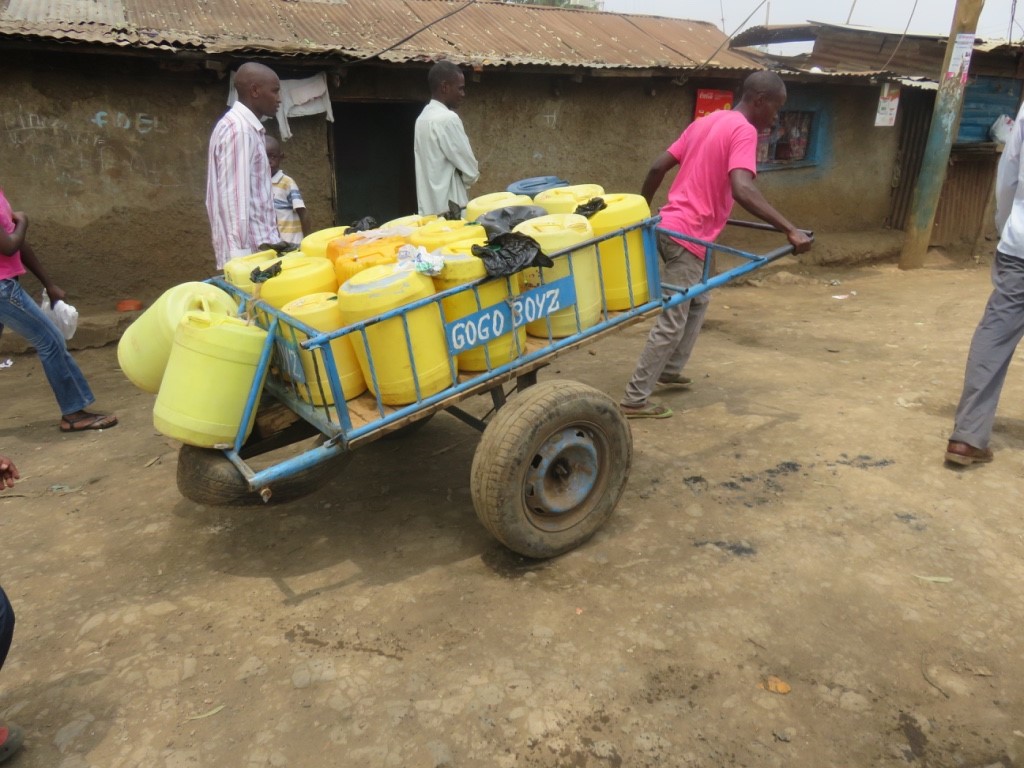
A water vendor
at a refill point
/HANDOUT
Kenya could be looking to save up to Sh12 billion in lost revenue through the digitisation of its water systems.
This is after Liquid Intelligent Technologies and global smart water solutions provider DropByDrop Water Systems entered a strategic partnership to roll out intelligent water management technologies across Kenya.
The collaboration aims to tackle Kenya’s mounting non-revenue water challenge, with nearly 44 per cent of distributed water reportedly going unaccounted for due to leaks, metering inaccuracies, and poor monitoring systems.
Non-Revenue Water (NRW), the difference between the volume of water a utility pumps into its system and the volume of water that is billed to customers, continues to be a major hurdle for the financial health and service delivery capabilities of Kenya’s water sector.
With total billings reaching Sh28.86 billion, the current NRW level stands at a concerning 44 per cent, according to the Kenya Water Services Regulatory Board Impact Report.
This translates to an estimated Sh12.37 billion worth of water lost during the 2022/23 reporting period, even after accounting for an acceptable loss threshold of 20 per cent.
“Water scarcity is a growing challenge across the continent, and managing this precious resource efficiently is more important than ever. Through our partnership, we’re bringing Liquid’s advanced technology and data-driven solutions to Kenya’s water sector,” said Liquid KenyaActing Chief Executive Officer Neeraj Pradhan.
“By helping providers digitise their infrastructure and build smart water ecosystems, we’re empowering them to serve their communities better.”
The initiative is expected to reduce water loss, enhance billing accuracy, and unlock new revenue streams for utilities, improving their ability to invest in infrastructure upgrades and urban expansion.
A water sector report tabled in parliament in April 2025, shows that Nairobi’s water utility firm has the highest non-revenue water loss, amounting to Sh8.5 billion, followed by Mombasa (Sh1 billion), Kericho (Sh199.4 million), Kwale (Sh183.3 million), Kitui (Sh110.1 million), Sibo (Sh102.7 million), Lodwar (Sh89.1 million), Bomet (Sh68.1 million), and Narok (Sh53.3 million), respectively.
“Some water companies did not maintain records of the volume of water produced, as there was no master meter installed at the intake points, making it impossible to establish acceptable non-revenue water levels, despite financial statements reflecting operating revenues from the sale of water,” the report stated.
According to Liquid, the smart water systems will also contribute to environmental, social, and governance (ESG) goals and help track progress toward the United Nations’ Sustainable Development Goals (SDGs).
“Water is at the heart of life, yet millions still struggle to access it reliably,” said Khorolsky, International Projects Partner at DropByDrop.
“By combining our data-driven water platform with Liquid’s powerful network, we’re creating a future where water is managed sustainably, equitably, and intelligently.”
The platform’s multilingual interface and compatibility with multiple network types aim to ensure broader accessibility, including real-time alerts for leaks, usage tracking, and remote valve controls for emergency shutoffs or adjustments.
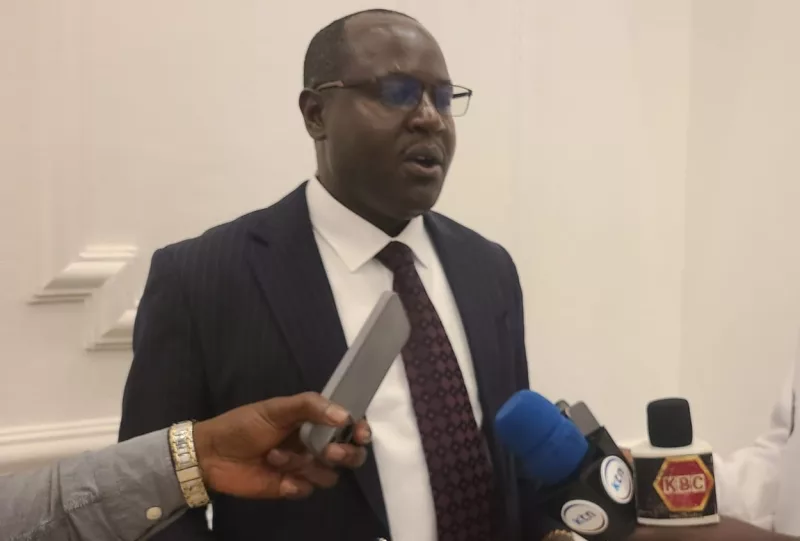
“Addressing this issue is essential for achieving water security, improving customer outcomes, and supporting the country’s broader vision of economic growth and higher living standards,” the Kenya Water Services Regulatory Board said in a statement.