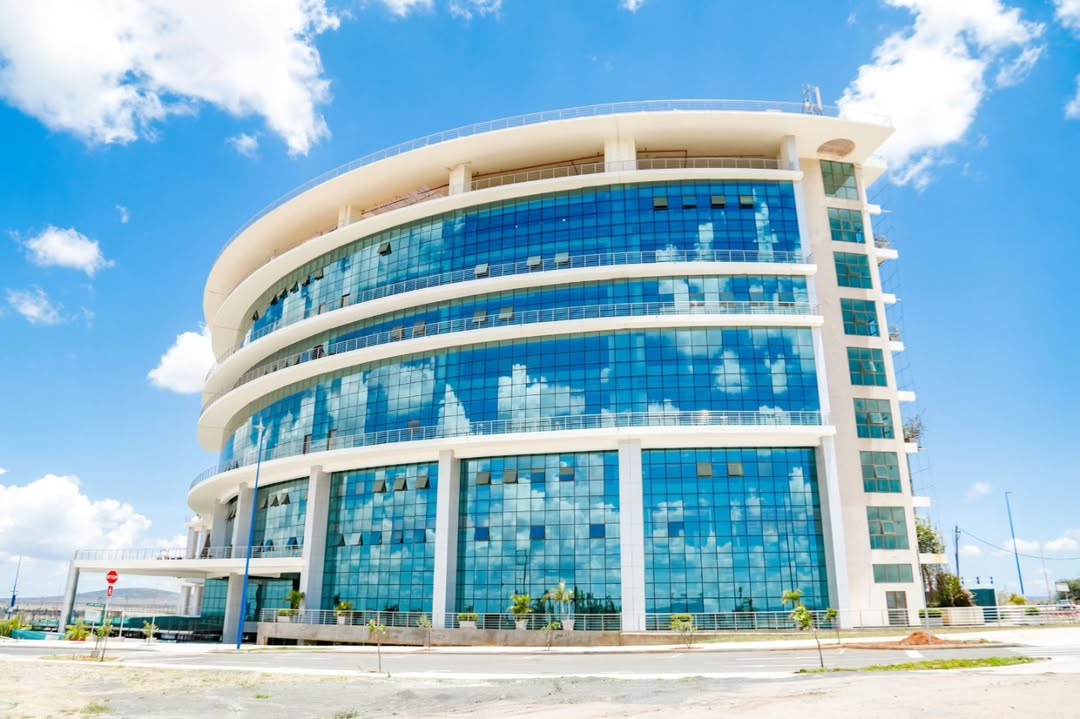
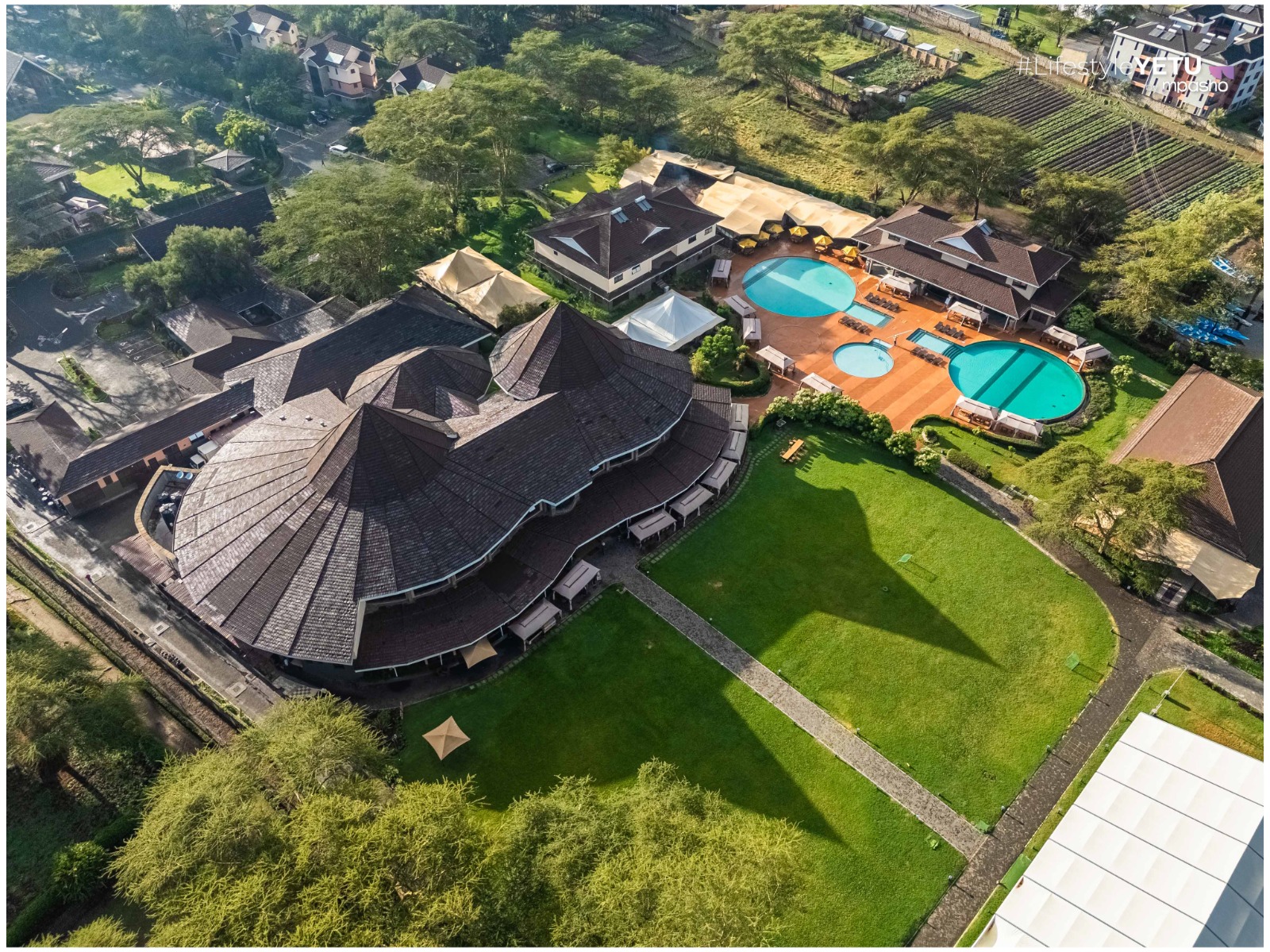
About 64 kilometres southeast of Nairobi, a bold vision is quietly becoming a reality. Konza Technopolis, affectionately nicknamed "Silicon Savannah," is Kenya’s answer to the world’s growing list of smart cities—and unlike many hyped mega-projects, this one is genuinely showing tangible results on the ground.
Born from the ambitious Vision 2030 plan and officially launched by President Mwai Kibaki in 2013, Konza was meticulously designed to transform Kenya into a knowledge-driven, middle-income economy.
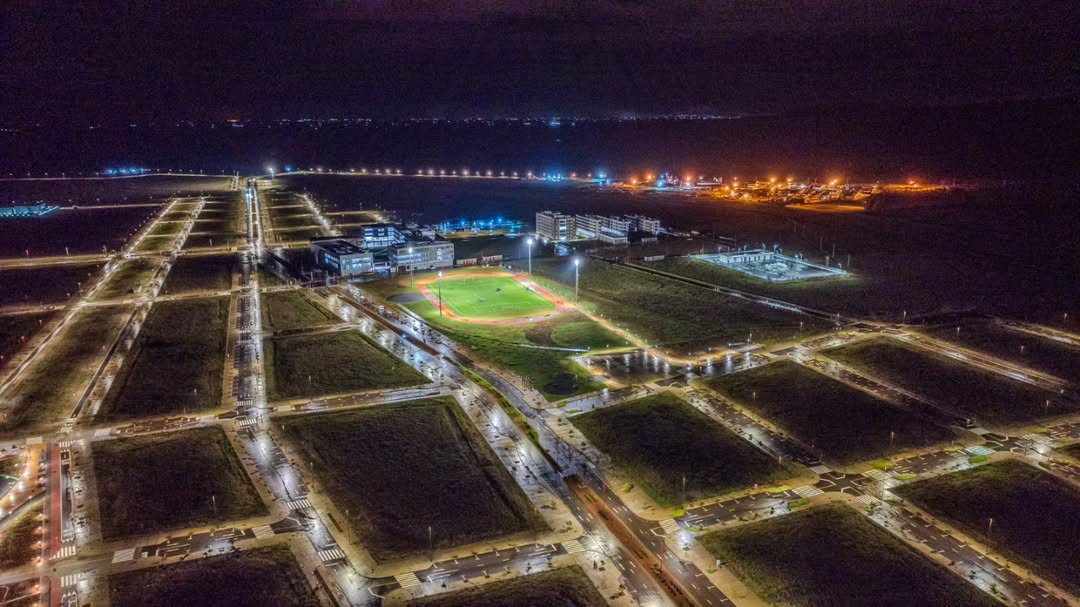
Spread across an expansive 5,000 acres and strategically cutting through Machakos, Makueni, and Kajiado counties, the nascent city aims to be a vibrant hub for technology, education, innovation, and green living.
So far, over KSh 90 billion (approximately US$700 million) has been thoughtfully invested in critical infrastructure.
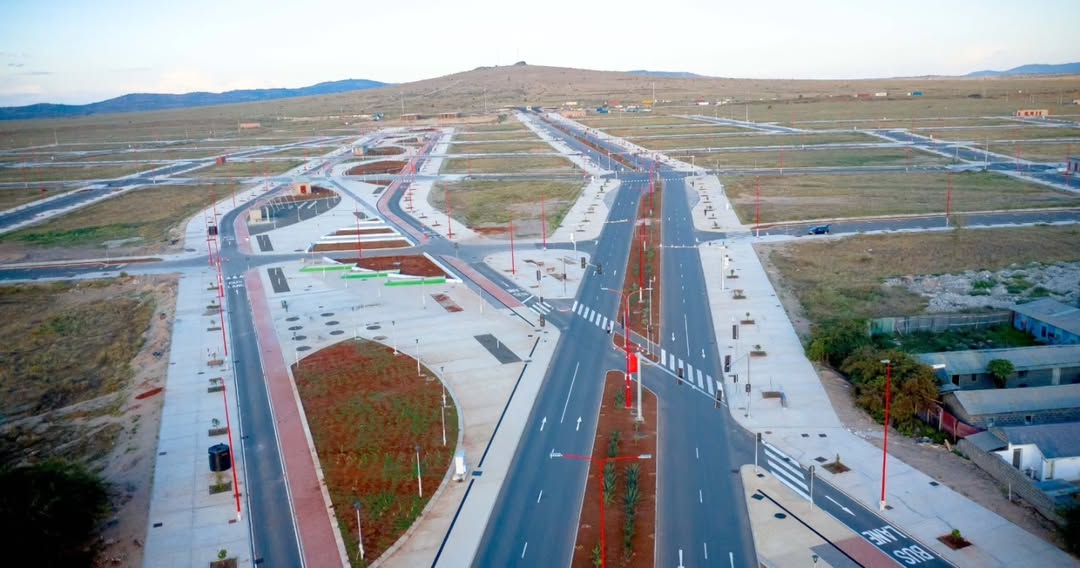
The government has delivered on essential services, including modern roads, reliable power lines, an efficient waste management system, and a fully functional National Data Centre, which is now utilised by more than 150 institutions across the country.
Remarkably, even a pneumatic waste collection system—a pioneering first in East Africa—has been installed at a cost of KSh 1.2 billion, showcasing a commitment to advanced urban solutions.
Key Milestones and Future Outlook
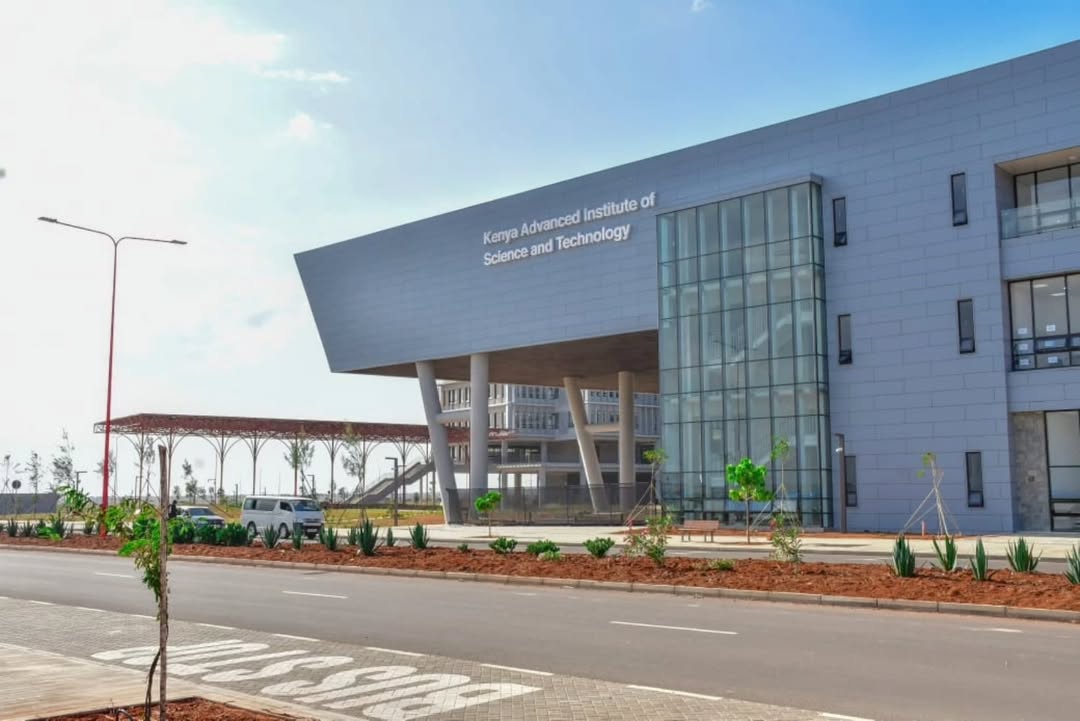
Progress on key facilities is evident. The Kenya Advanced Institute of Science and Technology (Kenya-AIST) is nearing completion and is expected to welcome its first cohort of postgraduate students in 2025, marking a significant step towards nurturing future innovators.
International collaboration is also bolstering the project, with South Korea funding a substantial $284 million Digital Media City within Konza, and private technology giants like Huawei contributing to the construction of its robust IT backbone.
Further commitment from the government is clear in the upcoming budget. The 2025/26 budget allocates another KSh 3.1 billion for smart facilities and an additional KSh 2.3 billion specifically for Kenya-AIST, signalling sustained investment.
ICT Cabinet Secretary Eliud Owalo recently reaffirmed this dedication, stating: "We have invested heavily in Konza, and we shall continue to support it to deliver on its mandate."
However, the Konza Technopolis Development Authority (KoTDA) CEO John Paul Okwiri has issued a clear call to action for private investors: "Investors must begin development within 18 months or risk repossession. We need momentum."
This directive underscores the urgency to transition from foundational infrastructure to visible vertical development, including offices, housing, and retail spaces.
Akon City vs. Konza: A Different Trajectory
Unlike Senegal’s Akon City—which was heralded with great fanfare but now appears to be stalling amid significant funding woes and a lack of visible progress—Konza Technopolis benefits from robust state support, tangible infrastructure already in place, and a track record of visible, incremental progress.
The crucial challenge that remains is to significantly accelerate vertical development to keep pace with the laid groundwork and attract the full spectrum of businesses and residents envisioned.
Verdict: If Kenya continues its steady course and successfully attracts bold private investment to build upon the established foundations, Konza could well become Africa’s digital crown jewel, setting a precedent for smart city development on the continent.
It appears to be less a question of if it will work, and more about how fast this ambitious vision for the future can be fully realised.