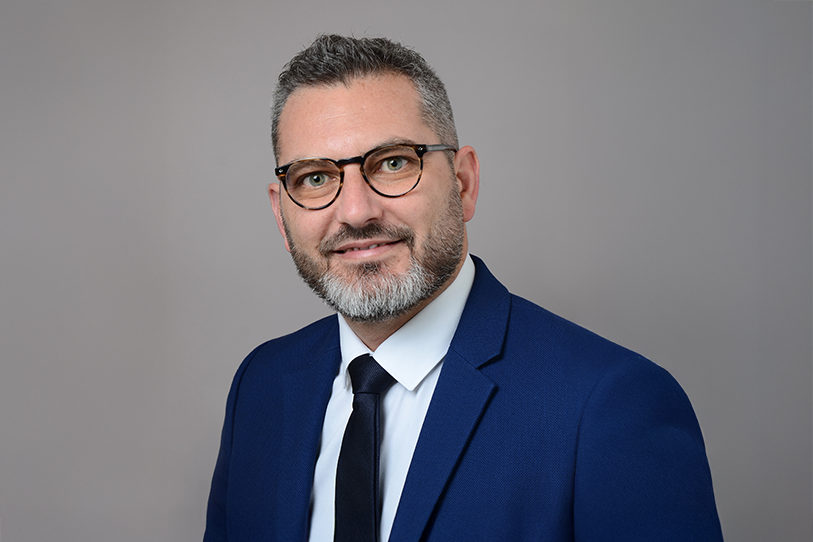
 Jean-Marie Armas, Anti-fraud Operations for the Covéa Group, France/COURTESY
Globally, detected fraud reached $80 billion in 2024, up more than 18 per cent on the previous year.
However, this figure only represents the tip of the iceberg, as actual fraud can account for between three to 10 per cent of paid claims, according to national and European estimates, with a marked upward trend in times of economic crises.
The main types of fraud include false claims, misrepresentation of circumstances, exaggeration of damage and false declarations at the time of underwriting.
These can include a fictitious theft, staged accidents to get rid of a hard-to-sell or costly-to-repair vehicle, or hiding that one was under the influence of alcohol at the time of the accident.
Profiles range from opportunists – "Mr and Mrs Everyman" who take advantage of a one-time situation – to organised fraudsters, sometimes linked to organised crime, using insurance as a means of diversification for money laundering.
There is also a worrying increase in fraudsters using social networks to share tips and recruit accomplices on a large scale.
Frauds are evolving. They are becoming more sophisticated, particularly with the increased use of digital technologies.
Today, social networks are becoming a preferred platform for spreading "good tips" for fraud, significantly increasing the reach and speed of fraud dissemination.
Additionally, the democratisation of technologies like generative AI facilitates the creation of credible fake documents, requiring constant vigilance and increased technical expertise on our part to detect them.
Beyond the immediate financial damage, fraud has direct consequences for the insured community, notably through increased premiums. It undermines the mutualistic principle on which insurance is founded.
Moreover, opportunistic fraudsters are generally unaware of the risk they take by revealing their data to fraudsters to help them commit fraud, thus opening the door to identity theft or cybercrime.
This phenomenon creates a dangerous spiral, affecting not only the fraudsters but also the whole community, which has to bear the indirect costs generated by these actions.
Jean-Marie Armas is in charge of Anti-fraud Operations for the Covéa Group, France