Kenya’s latest celebrity couple, Presenter Kai and Diana Yegon, have found themselves at the center of an unexpected online debate in recent weeks due to their frequent public displays of affection online.
Known for his charismatic presence, Kai recently took to social media to express his frustration, questioning why his affectionate posts about his wife, Diana Yegon, are being misconstrued as "simping" by a section of online critics.
This candid revelation has sparked conversations about genuine displays of affection versus perceived subservience in the digital age.
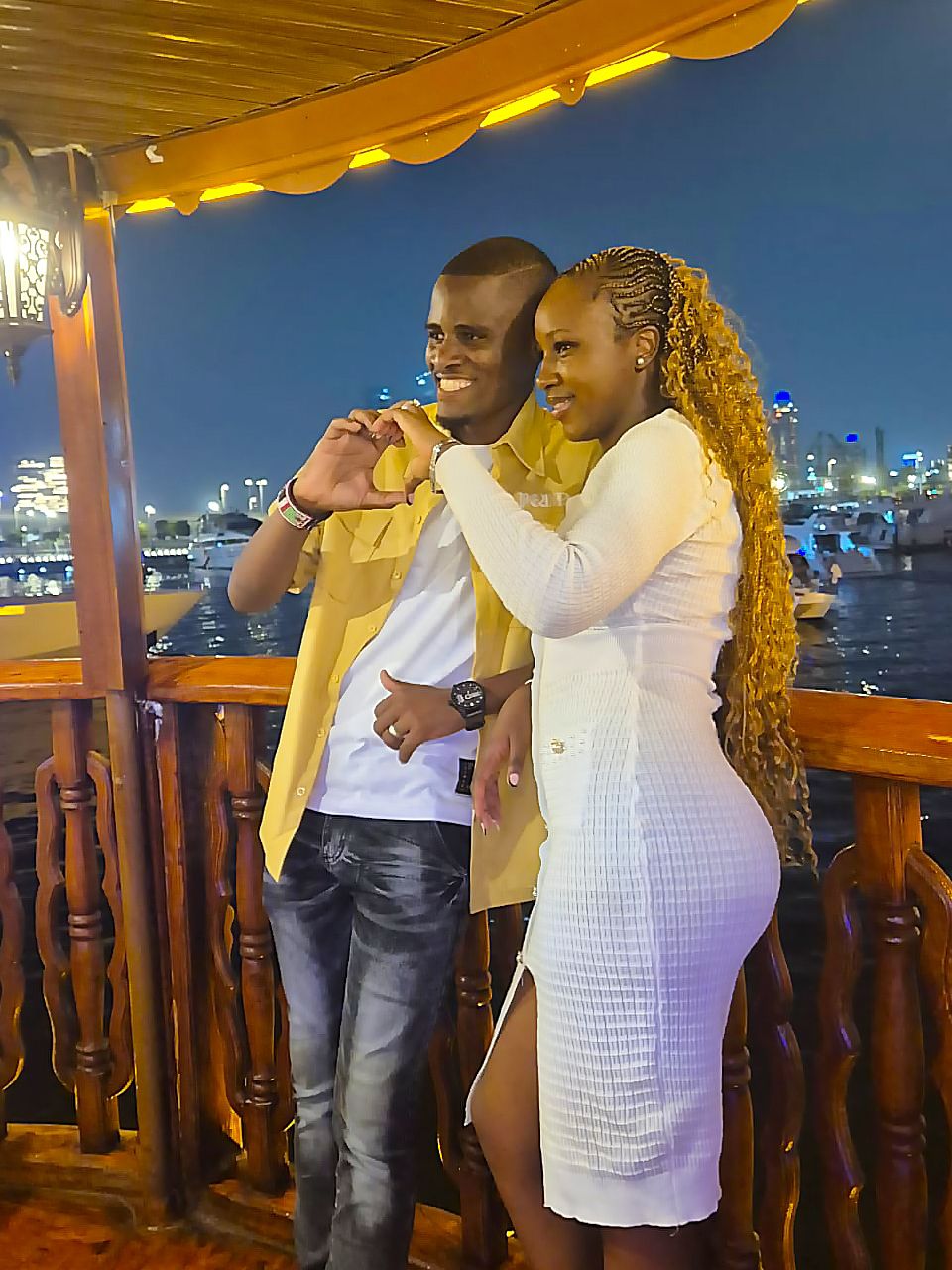
In a Facebook post, Kai lamented what he feels is a misinterpretation by a section of his online followers who are criticizing him for frequently posting pictures of himself and his wife, Yegon.
Kai challenged those labeling him as a ‘simp’ for the frequent PDAs, saying that for him, showcasing his affection for Diana is simply a reflection of "true love," a concept he believes some online users struggle to grasp.
“You only post your wife nicely, and you are called a simp. You mean you don't believe that true love exists? May God give you the right person for your life!” Kai chided.
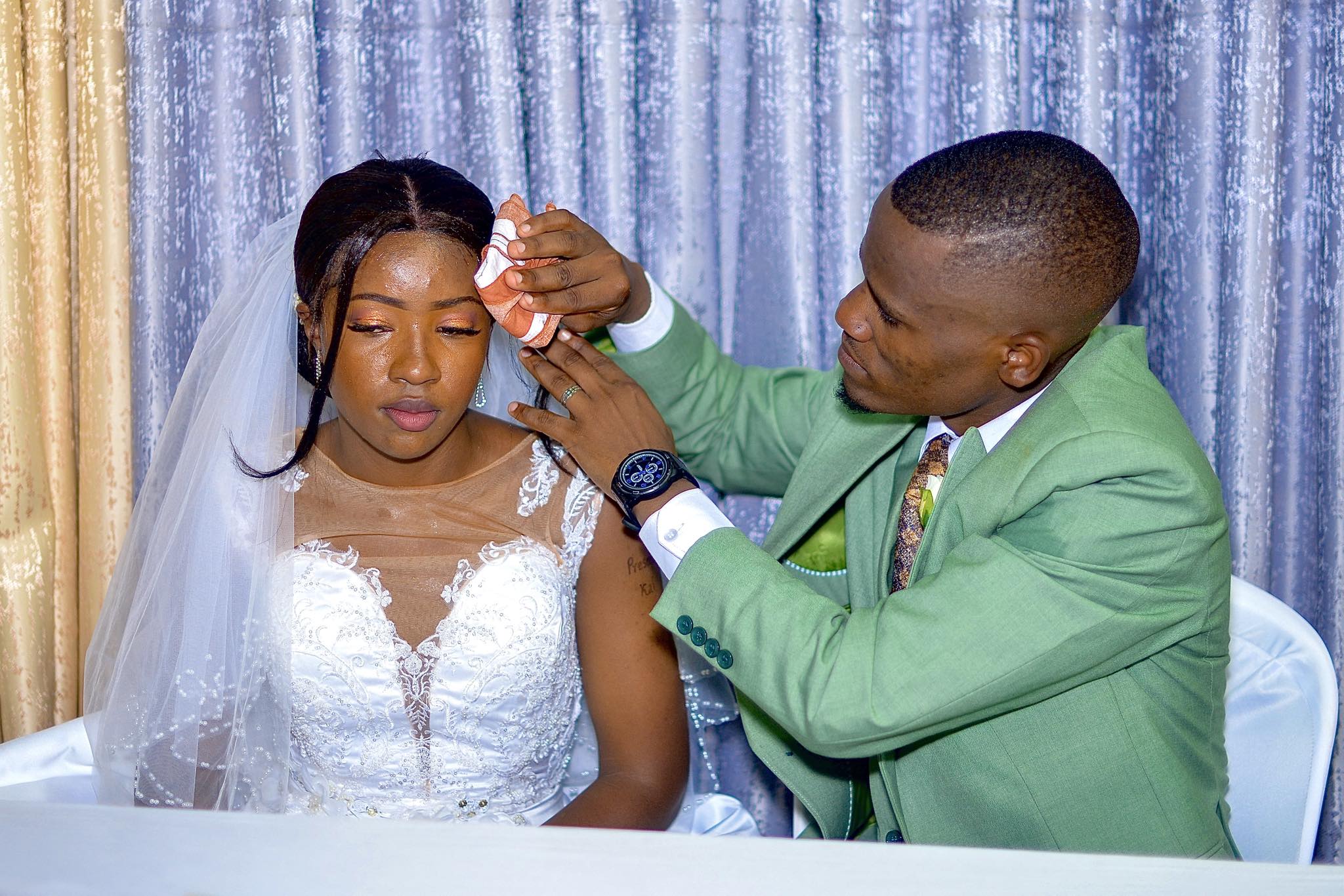
The love story between Presenter Kai and Diana Yegon captivated many, culminating in a lavish white wedding on April 19th, following a traditional ceremony held a week prior.

Since tying the knot, both Kai and Diana have openly shared snippets of their marital bliss across their social media platforms, from heartwarming photos to sweet declarations of love. Their posts have often been met with an outpouring of congratulatory messages and admiration for their seemingly idyllic union, reflecting a widespread appreciation for public figures sharing positive relationship narratives.
However, amidst the good wishes, a vocal segment of online users has begun to label Kai’s open affection as "simping."
In contemporary online slang, a "simp" is a term, often disparaging, used to describe someone (typically a man) who shows excessive attention or deference towards a romantic interest, often to the point of appearing overly submissive or desperate, usually in hopes of winning affection or a relationship that isn't fully reciprocated.
This label, largely popularized by Generation Z, can carry negative connotations, implying a lack of self-respect or an unhealthy obsession.
The reactions to Kai's defense have been varied. While many fans rallied behind him, asserting his right to celebrate his marriage openly, others have continued to offer unsolicited advice, suggesting that public displays of affection, especially for public figures, can invite unnecessary scrutiny and negativity.
This sentiment often stems from a perception that flaunting one's love life online can lead to jinxing the relationship or attracting unwarranted criticism and malicious intent.
The delicate balance between sharing one's joy and protecting it from the harsh judgments of the internet remains a constant challenge for celebrities in Kenya's vibrant, yet sometimes unforgiving, digital space.