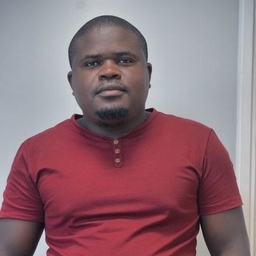
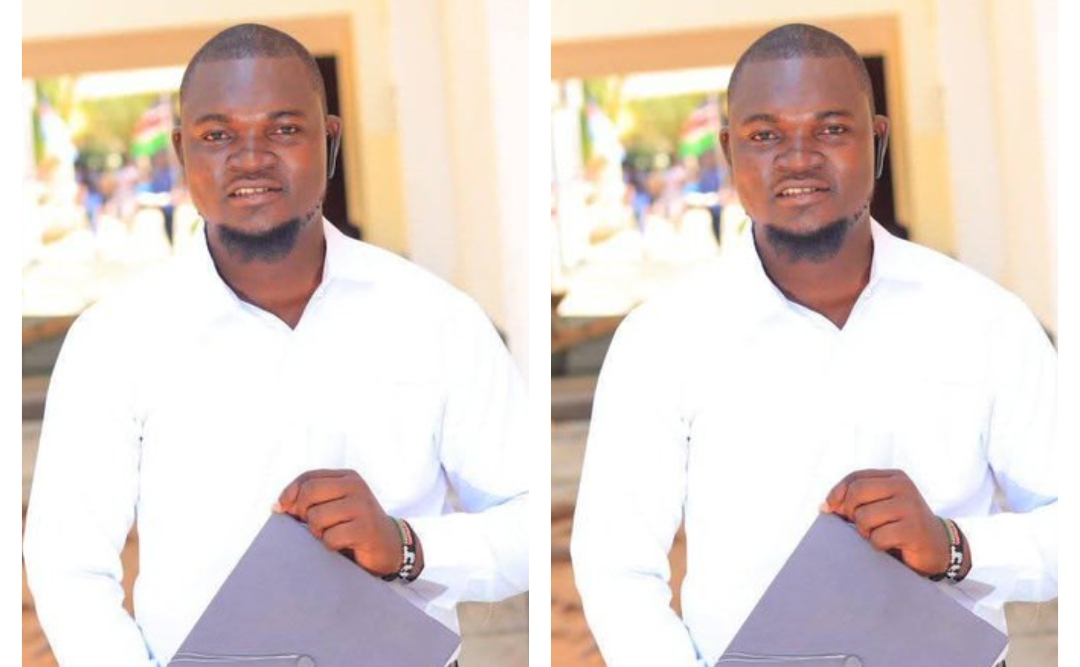
Police claim suicide, self-inflicted head trauma, they say. But very few believe that explanation. The timeline is tight, the logic thinner. What is clear is this: a citizen criticised power and ended up dead in a police cell. Again.
So we ask: why are Kenyans still begging for safety from those mandated to protect them?
This is not an isolated incident. It’s part of a tragic, growing pattern.
Citizens are arrested for what they post. Others are maimed or killed for attending protests. In some cases, victims vanish without a trace. In others, bodies are found with signs of torture or unexplained injuries.
And time and again, the pattern repeats itself: public outcry, official promises, silence.
Remember Baby Pendo in Kisumu; a toddler beaten by police during post-election chaos in 2017. Her tiny coffin remains a national stain.
Or the Kianjokoma brothers, whose deaths in police custody were so brutal they sparked protests and rare arrests of officers, but no real reform. Or the protester who was shot in Kamukunji in 2023. The bullet ended his life; the system buried the truth.
In all these cases, outrage gave way to fatigue. Investigations stalled. Officials moved on. The state told grieving families to heal, as if closure could come without justice.
Ojwang's death is therefore not just about one man. It is about what kind of country we have become. A place where young people, especially those from modest backgrounds are increasingly vulnerable for simply speaking their minds. Where the right to free expression exists only on paper. And where institutions built to protect us often feel like threats instead.
Kenyans are tired. Tired of begging for safety. Tired of explaining to their children why some uniforms inspire fear instead of reassurance. Tired of watching mothers bury their sons while the powerful make statements and move on.
The constitution guarantees us dignity. It guarantees due process. It guarantees freedom of expression and protection from arbitrary detention.
But these rights seem negotiable depending on who you are and who you speak against. If you are loud, critical, or inconvenient, you are treated as a threat, not a citizen.
When a young person is picked up for a tweet or Facebook post and ends up dead, we are not just witnessing a tragedy. We are witnessing an erosion of democracy. The message is chilling: "Stay silent or disappear."
And yet, safety is not a privilege. It is not something Kenyans should have to plead for. It is a constitutional right, the bare minimum any government should provide. That some of us are afraid to walk past a police officer, file a complaint, or express an opinion without fear of reprisal speaks volumes.
What happened to Ojwang' should prompt national soul searching. Why was he arrested without a warrant or due process? Why was he transported more than 360km for interrogation? Why did he die within hours of arriving in custody? And why should Kenyans be expected to believe a vague, unconvincing cause of death without independent investigation?
We also demand accountability. The Independent Policing Oversight Authority must stop being a passive observer. Parliament must stop being silent when lives are lost. Civil society must speak louder. And media must continue to shine a light on these abuses, even when it is uncomfortable.
Ojwang’s death should not be just another sad story we forget next week. It should be a turning point. A rallying cry. A reminder that the cost of silence is often paid in blood.
Because today, it’s Ojwang'. Yesterday, it was the Kianjokoma brothers. And if nothing changes, tomorrow, it could be anyone.
So, we ask again: why are Kenyans still begging for safety?
And more importantly: how many more must die before those with power finally listen?