Kenyans may have been spared new taxes in the 2025-26 budget revenue raising measures, as the broad-based government looks to ride on streamlining tax collection and boosting compliance.
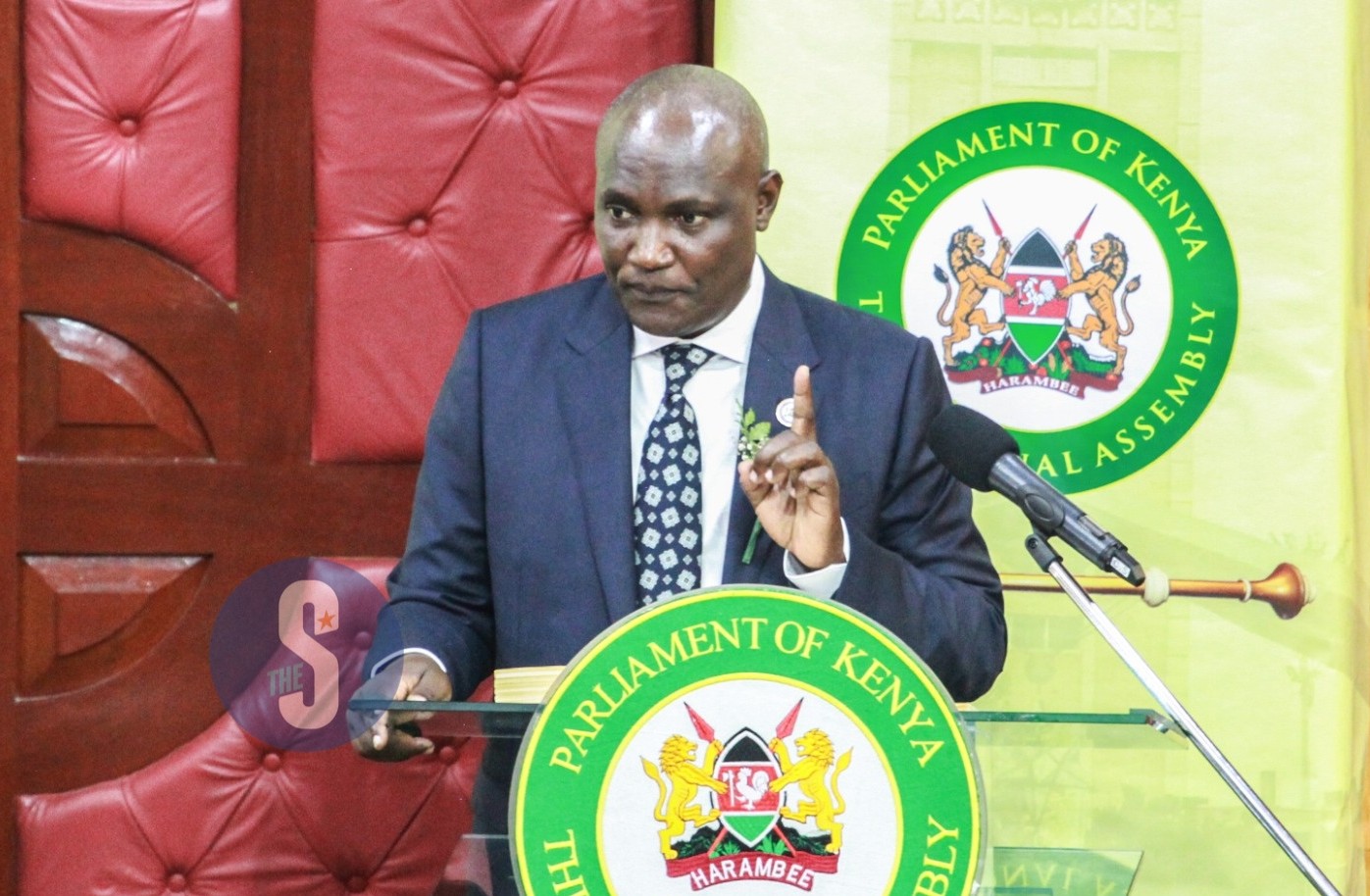
In what appears as the government’s push to appeal to the Kenyans who have been critical of any new introduction of tax measures, National Treasury CS John Mbadi has instead prioritised structural and legal reforms to enhance revenue collection.
Through these reforms, the Treasury expects to raise an additional Sh30 billion in revenue.
According to Mbadi a major focus of the 2025 revenue raising plan is the rationalisation of tax expenditures — the revenue foregone through tax incentives — which have grown in recent years.
“Rather than overburden Kenyans with more taxes, we have chosen to simplify and streamline tax laws to improve compliance and promote fairness,” Mbadi said.
He pointed out that in 2022, tax expenditures amounted to Sh393.1 billion (2.9 per cent of GDP), rising to Sh510.6 billion (3.4 per cent of GDP) in 2023.
The CS now says that in line with National Tax Policy and the Medium-Term Revenue Strategy, these targeted reforms look to reduce these expenditures and minimise distortions in the tax system.
Among the structural reforms that the revenues measures will be pursuing is giving Kenya Revenue Authority sweeping powers to recover taxes from foreigners and suspend enforcement only where court-issued stay orders exist.
“To enhance the commissioner’s ability to recover unpaid taxes from non-residents, the bill proposes to amend the Tax Procedures Act to expand the scope of agency notices to include non-resident persons,” Mbadi said.
To enable the taxman, possess and auction property for tax purposes, the National Treasury is pushing to exempt property transfers during tax recovery processes from stamp duty.
This the government argues will make it easier for the taxman to enforce recovery of unpaid taxes.
“To remove financial and legal barriers that may hinder effective enforcement of recovery of unpaid taxes, the bill proposes to amend the Tax Procedures Act to provide that property transfers made by or to the commissioner in recovery of tax liabilities be exempted from stamp duty,” Mbadi said.
To streamline the VAT system, the Finance Bill introduces a clear legal definition of a “tax invoice” in what Mbadi said is meant to remove ambiguity.
This essentially means that all suppliers, including those dealing in exempt goods, will now be required to issue tax invoices — a move designed to boost record-keeping and improve return filing.
Additionally, the period for claiming VAT refunds on bad debts will be shortened from three years to two, and the Kenya Revenue Authority will be empowered to recover VAT where exempted or zero-rated goods are misused.
On the proposed amendments to the Income Tax Act aimed at encouraging investment, improving tax clarity, and fostering economic participation in emerging sectors, businesses will be allowed to fully deduct the cost of capital items—such as linens and industrial goods—in the year of purchase, rather than spreading the deductions over three years.
This move is expected to ease cash flow pressures on businesses and stimulate capital expenditure.
To address the growing complexity of cross-border taxation, the KRA commissioner will be empowered to enter into Advance Pricing Agreements with multinational corporations.
These agreements are intended to reduce tax disputes and ensure transparency in transfer pricing arrangements.
The bill also clarifies the payment timeline for the newly introduced minimum top-up tax, which is now set to be due by the fourth month following the end of a company’s financial year.
“I have proposed an amendment to the Income Tax Act to clarify that the due date will be the end of the fourth month following the close of a company's accounting payments,” Mbadi said.
In a move likely to benefit retirees and estate planners, all gratuity payments—whether from public or private sources—will be explicitly classified as tax-exempt.
To promote youth engagement in the digital economy, the government plans to reduce the digital asset tax from three per cent to 1.5per cent.
Additionally, individuals constructing their residential homes will now be eligible for mortgage interest relief, a benefit previously reserved for those purchasing homes.
Private sector employees also stand to gain, with a proposal to raise the tax-free daily subsistence allowance from Sh2,000 to Sh10,000.
In an effort to attract global financial firms, the bill proposes tax incentives for companies operating within the Nairobi International Financial Centre.
Qualifying firms would pay a reduced corporate tax rate of 15 per cent for the first 10 years and 20 per cent for the following decade.
Further reforms include reducing levies on key raw materials like billets and wire rods, introducing a declaration fee for aircraft imports (excluding spare parts), and allowing KRA to recover unpaid taxes from non-residents. Property transfers made during tax recovery will be exempt from stamp duty.
The bill also seeks to enhance accountability by requiring KRA to justify amended tax assessments and granting the Cabinet Secretary power to waive penalties caused by system or administrative errors.