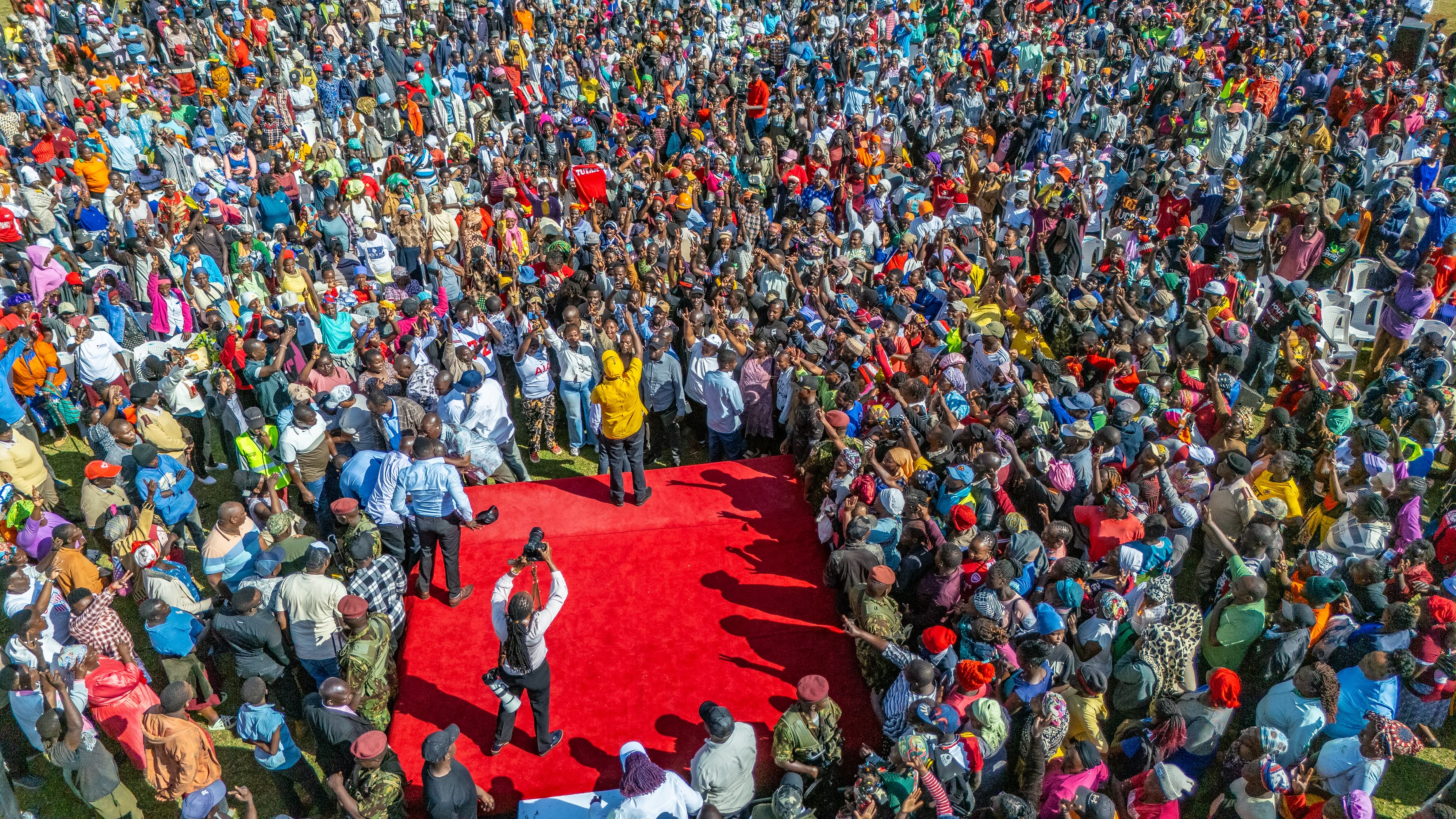
Most Kenyans feel the 2025-26 budget is neither pro-poor nor responsive to the high cost of living.
They say it prioritises the wrong sectors, deepening economic hardship.
Those who responded in media and social media platforms complained the budget only entrenches President William Ruto’s economic beliefs and policies, which have shown signs of giving results almost three years later.
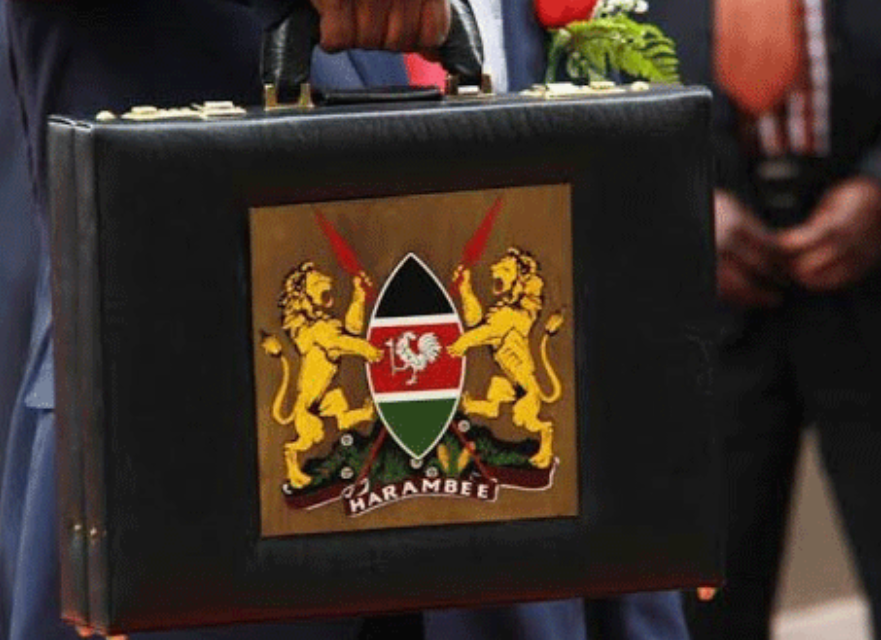
The budget presented by Treasury CS John Mbadi promised fiscal discipline and no new taxes, but many Kenyans quickly voiced frustration it fails to address their most pressing concerns.
With inflation still high and basic goods increasingly unaffordable, Kenyans say the government missed a vital opportunity to ease economic pressure on ordinary households.
“We’re drowning in costs for food, fuel, rent and school fees, yet the budget ignores these issues,” said Esther Mwikali, a mother of three from Kibera.
“It’s a plan that benefits the elite and leaves the poor struggling.”
At the heart of the criticism is the perceived disconnect between government spending priorities and the lived realities of most Kenyans.
While infrastructure projects and large-scale developments received hefty allocations, sectors directly impacting everyday citizens—such as healthcare, social protection, and support for small businesses—remain underfunded.
“How do you maintain millions for presidential advisers but cut pro-poor policies like paying for national examination fees?,” Josephat Mokua, a boda boda rider based in Westlands posed.
Economic analysts warn the budget’s heavy focus on infrastructural development and debt servicing is short-sighted.
“There’s a glaring absence of targeted measures to support vulnerable groups or stimulate grassroots economic recovery,” economist Patrick odhiambo said.
“Without addressing affordability and unemployment, the budget risks worsening inequality.”
On social media, Kenyans flooded platforms with posts condemning the budget’s failure to tackle soaring prices for essentials like maize flour, cooking gas and electricity.
Many expressed anger the government continues to prioritise lavish administrative expenses, including increased allowances for public officials, over subsidies or relief programmes for struggling families.
Activist groups also criticised the budget for neglecting youth employment, a critical issue in a country where more than 35 per cent of the population is under 25.
“The youth need real opportunities, not empty promises or token allocations,” said Lydia Kamau, a director of a Nairobi-based NGO focused on job creation.
The public’s discontent was further fuelled by recent reports of corruption and mismanagement of resources, which undermine trust in the government’s fiscal plans.
Citizens demand transparency and accountability before they can support such an expensive budget.