Salaried Kenyans, who are already grappling with heavy taxes, have been dealt a major blow after the government shelved plans to ease the pay as you earn burden.
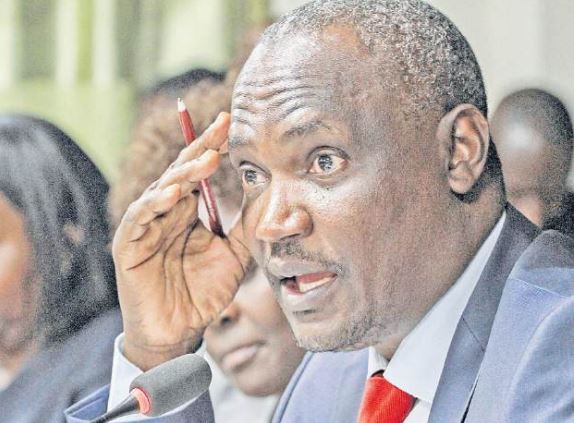
National Treasury Cabinet Secretary John Mbadi said the ministry has dropped its proposal to reduce PAYE following the Kenya Revenue Authority’s consistent failure to meet revenue collection targets.
Mbadi said the government may consider reintroducing the PAYE reduction in next year’s Finance Bill, along with a proposal to lower the corporate tax rate from 30 per cent to 28 per cent.
Currently, Kenyans earning up to Sh12,999 are deducted 10 per cent for PAYE, with those earning between Sh12,299 and Sh23,885 surrendering 15 per cent of their income.
Those earning between Sh23,886 and Sh35,472 are deducted 20 per cent, those earning between Sh35,473 and Sh47,059 contribute 25 per cent.
Salaries Kenyans earning above Sh47,059 contribute 30 per cent of their salaries towards PAYE.
These deductions are compounded by other statutory obligations, including the Housing Levy, enhanced NSSF contributions and the Social Health Insurance Fund, leaving many workers with significantly reduced disposable income.
Mbadi cautioned that cutting tax rates without improving KRA’s revenue performance would jeopardise the country’s fiscal stability.
“As we carry along with reforms at KRA, we should not be doing so many things at the same time. Let's see what the reforms at KRA, in terms of automation, are yielding to us, then we can now move to the next step of reducing the tax rate,” he said.
He said the government’s intent is to eventually ease the tax burden, stressing that there were no significant tax hikes in the current Finance Bill.
“It is true that we have not made major changes to taxes that would disadvantage the taxpayer in terms of reducing their disposable income,” he said.
“I am one person who doesn’t believe that higher taxes would lead to more revenue. That is my stand."
The CS also disclosed ongoing restructuring of the Housing Levy, hinting at future announcements aimed at lightening the load.
According to documents submitted to the Senate by the CS, KRA collected Sh1.98 trillion out of a target of Sh2.12 trillion by the end of the third quarter of the current financial.
In the last financial year, KRA generated Sh2.28 trillion out of a target of Sh2.46 trillion, while some Sh2.04 trillion was collected from a target of Sh2.19 trillion in the 2022-23 fiscal year.
KRA raised Sh1.91 trillion from a target of Sh1.85 trillion in 2021-22 financial year.
Meanwhile, the Treasury boss has revealed massive plans to reduce the budget deficit that has plunged the country into deep debt.
“The National Treasury has adopted a multi-pronged approach with notable focus on robust revenue generation and sustainable expenditure control,” he said.
The measures include strengthening financial controls, diversifying borrowing sources, improving debt repayment planning and promoting efficient resource allocation.
In the next fiscal year, the government projects a deficit of 4.3 per cent (Sh831.0 billion), down from 4.9 per cent (Sh826.7 billion).
“The fiscal deficit in FY 2025-26 will be financed by a net external financing of Sh146.8 billion (0.8 per cent of GDP) and a net domestic financing of Sh684.2 billion (3.6 per cent of GDP),” Mbadi said.
INSTANT ANALYSIS
PAYE is a mandatory income tax deducted directly from employee salaries by employers, who must remit the funds to KRA by the 9th of the following month. It remains one of Kenya's primary tools for income tax collection. As the country grapples with growing debt and unmet revenue targets, any proposed changes to PAYE will have to balance the interests of both fiscal sustainability and the economic well-being of taxpayers