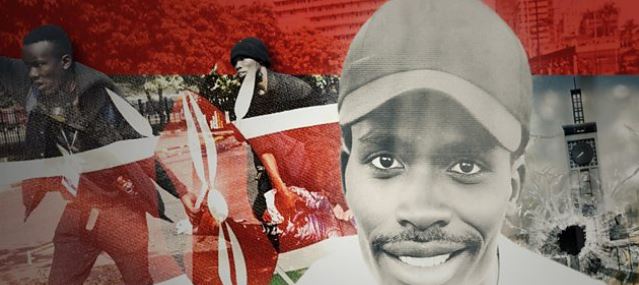
In a serious country police and prosecutors would be poring over the BBC’s Blood Parliament documentary to appreciate how modern technology can assist in solving complex crimes.
To exculpate themselves, the commanders must also demonstrate that their subordinates committed the alleged crimes after disobeying their superiors’ orders.
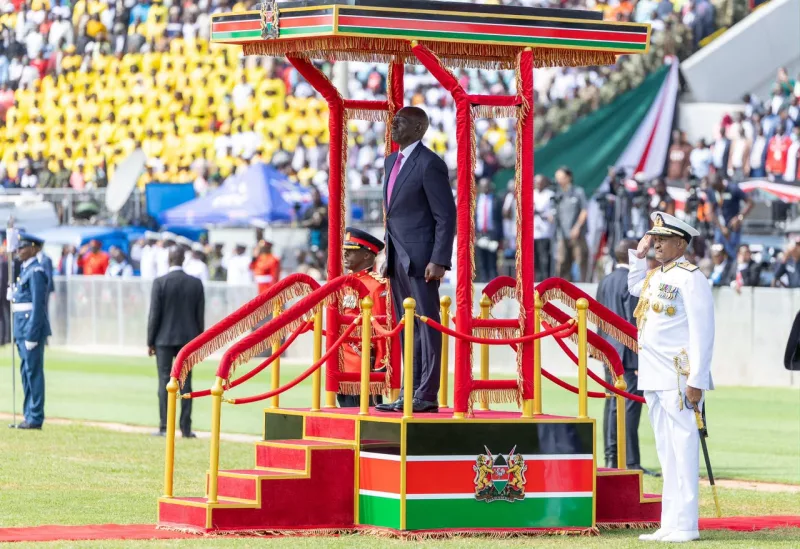
The defiant speech by President William Ruto after the killings characterised the slain youths as treasonous terrorists undeserving of due process, an address that in a way that justified the killings.
A president cannot afford to be so reckless, no matter how provoked he feels. Ruto is best advised to demonstrably disengage from the crimes of his subordinates, including by ensuring credible accountability for June 25 and the subsequent abductions and extrajudicial killings that followed and continue still.
Digital forensics, such as that used in the documentary, social media tips, Artificial Intelligence, machine learning, and forensic anthropology can unlock and solve cold cases, but not so in Kenya.
Bloggers who believe the documentary breaks no new grounds lack forensic knowledge and understanding of the legal jeopardy the Ruto administration has been placed by BBC.
The Isaak Hassan-led Independent Policing Oversight Authority (Ipoa) belongs in this category of incompetents for publishing a scandalous progress report on the same day the documentary was aired to squelch the BBC documentary. It was a load of rubbish.
Using digital forensics and months of persistent investigation, the documentary should worry President Ruto and his commanders in the National Police Service and Kenya Defence Forces on duty on June 25, 2024.
The Office of Director of Public Prosecutions (ODPP), Ipoa, and Directorate of Criminal Investigations (DCI) should invite the BBC to assist them in launching a credible investigation, if they are not complicit in a cover-up.
The BBC documentary establishes probable cause to investigate and prosecute individual officers and their commanders under the Penal Code and International Crimes and Evidence Acts.
BBC has performed a duty that the ODPP and Ipoa have been unwilling to do.
With digital, mathematical methods, time sequencing, and painstaking examination of 5,000 photographs and videos, all accurately geo-located, BBC experts demonstrated that the killings at Parliament Buildings were premeditated criminal acts. The broadcaster’s experts demonstrated that those killed were either fleeing from police or posed no danger to security forces or property.
The documentary demonstrates the premeditation hypothesis from three specific killings, the execution of which defeats the common state defence that police killed to defend themselves. On a proportionality test and notwithstanding the state argument that security forces were under duty to defend a legally protected property, it is demonstrably clear from watching the BBC film that the shoot-to-kill orders were disproportionate to any alleged threat.
In criminal jurisprudence, premeditation to kill can also be construed from police targeting fleeing youth in the head or back, many as 25 to 50 metres away. Police can no longer claim there was no other way of protecting Parliament.
The BBC has also identified two of the alleged killers by name and facially, placing them at the crime scene and demonstrated that a KDF soldier or soldiers were involved in the killings.
The BBC has made a compelling criminal case with the requisite ingredients of premeditation, identified weapons used and suspects placed at the scene. It also demonstrated state cover-up and proved to the average bystander that murder and torture were committed against defenceless civilians on a massive scale.
Ipoa and DCI, under the superintendence of the ODDP, should summon the identified suspects for interrogation without delay, after sleeping on the job for a year.
From this interrogation, other suspects and the commanders on duty on that day will be unveiled. Under the International Crimes Act, officers bear individual responsibility for their crimes. They cannot waive the defence of obeying superiors’ orders because they are trained to know and disobey illegal orders.
Commanders are liable for the crimes of their subordinates when they fail to prevent them or do nothing to prevent them.
To exculpate themselves, the commanders must also demonstrate that their subordinates committed the alleged crimes after disobeying their superiors’ orders.
The defiant speech by President William Ruto after the killings characterised the slain youths as treasonous terrorists undeserving of due process, an address that in a way that justified the killings.
A president cannot afford to be so reckless, no matter how provoked he feels. Ruto is best advised to demonstrably disengage from the crimes of his subordinates, including by ensuring credible accountability for June 25 and the subsequent abductions and extrajudicial killings that followed and continue still.
David Ochami is an Advocate of the High Court of Kenya