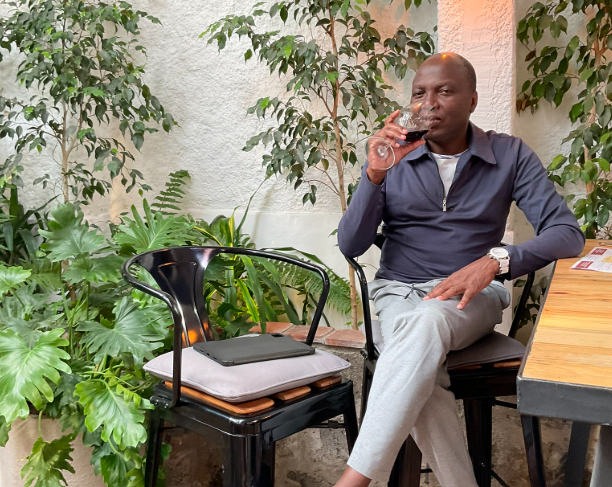
 Undated photo of lawyer Donald Kipkorir enjoying a drink. /DONALD KIPKORIR/X
Lawyer Donald Kipkorir has recalled with nostalgia life at the height of Covid-19 pandemic in 2020 when he almost died on a hospital bed, terming it the worst experience.
At the height of the Covid-19 pandemic, hospitals in many countries, including Kenya, were overwhelmed.
Health systems faced severe strain due to surging patient numbers, limited ICU beds, and shortages of medical oxygen and ventilators.
Isolation protocols meant many patients, especially those critically ill, were separated from their families sometimes for prolonged periods stretching into several weeks.
Despite the resolve to stay alive, some did not make it out alive.
Fatalities were surging by the day with every daily televised briefing by the then Ministry of Health top officials: Mutahi Kagwe (CS); Rashid Aman (CAS); Mercy Mwangangi (CAS) and Patrick Amoth, then acting as the Director General of Health.
For Kipkorir, he spent an entire month on a city hospital bed, with the thought of death ever present, he revealed on X.
"For the entire November 2020, I was admitted to solitary existence at Aga Khan University Hospital because of Covid-19. I knew I may not survive but I refused my thoughts thinking about dying! It was the worst experience," he said.
He shared a photo of him on an oxygen ventilator, painting a clearer picture of the near-death experience.
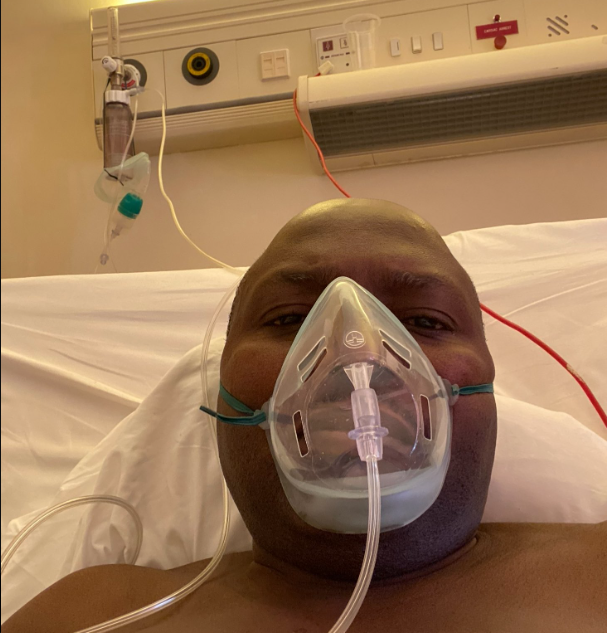 Lawyer Donald Kipkorir on a hospital bed at the height of Covid-19 pandemic in 2020. /DONALD KIPKORIR/X
The lawyer said despite being lucky to leave the hospital alive, post-Covid syndrome kicked in, impacting various aspects of his daily life, such as work, daily activities, and exercise.
The advocate said during the period the post-Covid symptoms lingered on, he had a moment of self-reflection that led him to realising how fragile life is - here now, gone the next minute.
"Long Covid affected my nerves, and I couldn’t write or walk properly for over four months. When I resumed work in May 2021, I made up my mind that henceforth, my staff and myself will work from 8am to 2pm, Monday-Friday forever!" he said.
Kipkorir, who specialises in commercial law, was bullish about the decision.
"We are the only business in Kenya, if not the whole world that stops work at 2pm. My solitary stay in AKUH allowed me to reflect on life, the vanity of riches, love of family, loyalty of few BFFs (best friends forever) and duplicity of many others.
"When you see me breaking bread or taking wine every afternoon, be rest assured, I have done my work for the day," Kipkorir said.
There's more to the new awakening.
"It was also then that I decided I will never hunger for material possessions or money or love. Our lives are written in the stars. What is ours will always be," he said.
Covid-19 is a multi-system disease that can range from mild symptoms to life-threatening complications, particularly in people with underlying conditions or weakened immune systems.
It's caused by the SARS-CoV-2 virus, which primarily affects the respiratory system but can impact multiple organs.
It infects and damages the lining of the respiratory tract, causing symptoms like cough, sore throat, and shortness of breath.
In severe cases, it leads to pneumonia and acute respiratory distress syndrome (ARDS), where the lungs fill with fluid, making breathing difficult and requiring oxygen support or ventilation.
Covid-19 also increases the risk of blood clots, which can cause strokes, heart attacks, or pulmonary embolism.
Even after recovery, some individuals suffer prolonged effects known as Long Covid or post-acute sequelae of SARS-CoV-2 infection (PASC).
These mostly manifest in the form of fatigue, breathing issues and brain fog -a range of cognitive difficulties that make a person feel mentally sluggish - such as difficulty concentrating or focusing, confusion or disorientation, memory lapses or forgetfulness, and slower thinking or processing.