Suppose you are a human rights activist or a government critic in Kenya. In that case, chances are you may well face digital and physical surveillance, arrest — or worse — your body could be picked up from a thicket, activists have told the African Union.
They have urged the AU’s rights watchdog to impose sanctions on Kenya.
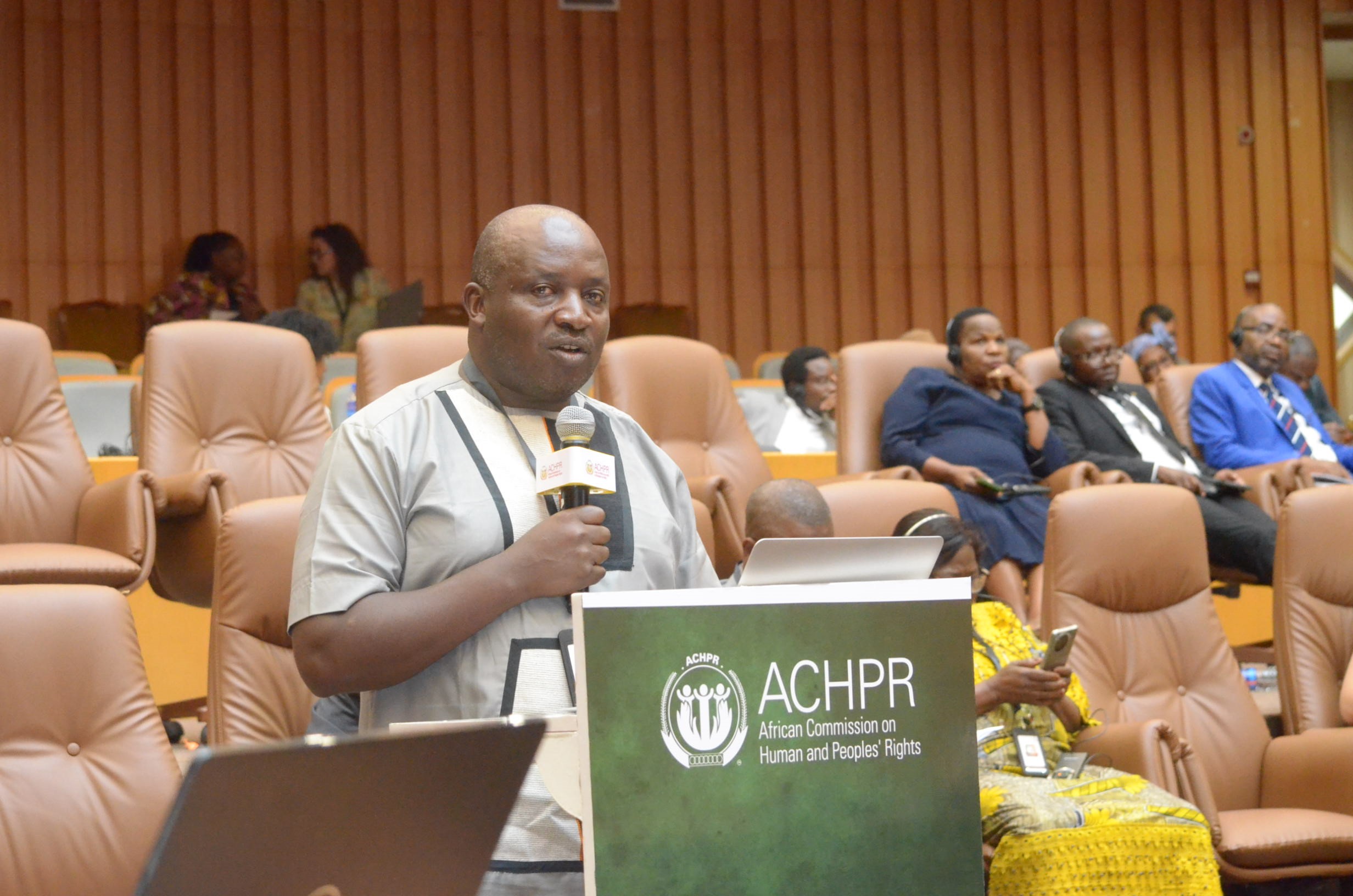
The main conference hall in Banjul, Gambia, was packed and so silent one could hear a pin drop.
Kamau Ngugi, head of the National Coalition of Human Rights Defenders, rose and painted a grim picture of what has been happening to public-spirited citizens who speak out against the government or act contrary to its interests.
His voice cracking with emotion, Ngugi told the AU Commission on Human and People’s Rights that a chilling pattern is unfolding in Kenya: peaceful assembly is getting punished, dissent silenced, and activists targeted with threats, harassment, and even death.
Standing up for human rights is increasingly an extreme sport, and hazardous to health, he said.
The lobby cited, among other events, the murder of activist Richard Otieno, locally known in Molo as ‘Molo’s President,’ on January 18, 2025. His only crime: speaking out.
His death is no outlier, Ngugi told the hall, it is part of a disturbing trend whereby those who dare to challenge injustice are harassed, criminalised, disappeared, or killed.
He said the gunning down of Omondi “sent shockwaves through the human rights community and served as a grim reminder of the growing dangers faced by those who speak out against injustice”. No arrests have been made.
The crackdown has not spared Kenya’s digital and media spaces. Journalists and social media users critical of the government are facing increased censorship, surveillance, and physical attacks. In April 2024, during the Kenya National Drama and Film Festivals, high school girls were violently stopped from performing a play deemed critical of the state.
Police fired tear gas against the learners and the media, injuring six journalists. No one has been held accountable.
Finally, key legal tools meant to protect human rights defenders remain rusty, unused. The National Coroners Service Act, crucial for addressing extrajudicial killings, has not been put into operation since its passage in 2017. The Public Benefits Organisations Act, vital for civil society work, also remains stalled/has not been implemented.
For defenders on the ground, the struggle continues — amid growing risks and shrinking space. The words shared in Banjul echo far beyond the halls of the Human Rights Commission: unless action is taken, more lives may be lost in silence.
Instant Analysis
Kenya’s human rights record, long shielded by progressive laws, is now under sharp continental scrutiny. The report by Defenders Coalition exposes a dangerous disconnect between constitutional promise of basic rights and lived repression.