Kenya has to address corruption gaps, strengthen integrity and governance as part of the conditions for the new funding from the International Monetary Fund (IMF).
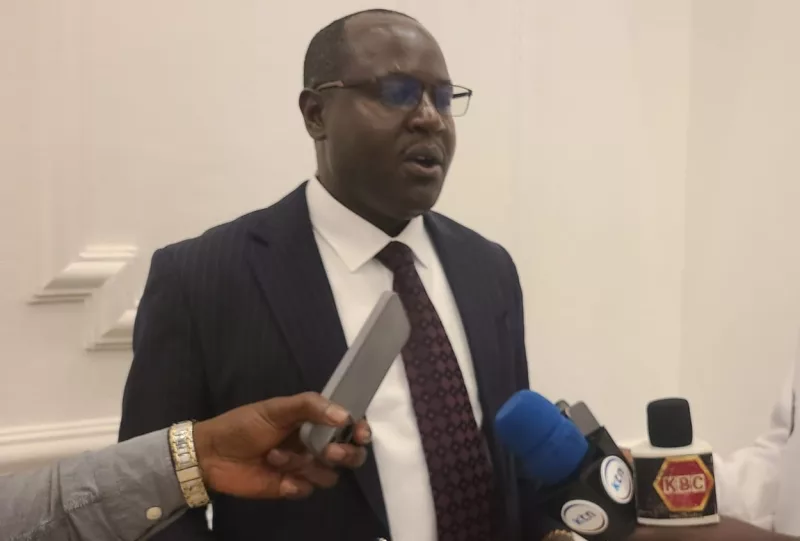
Although the two sides are yet to come clear on the targeted amount for the programme, the National Treasury CS John Mbadi on Monday hinted that the country would use the IMF’s Governance Diagnostic Assessment (GDA) to benchmark its governance standards, enabling targeted reforms and access to relevant technical assistance.
“The assessment is part of Kenya’s broader engagement with the IMF to support sustainable, inclusive and accountable economic growth,’’ Mbadi said.
Kenya is grappling with runaway corruption, with Mbadi recently echoing former President Uhuru Kenyatta’s sentiment that the government is losing at least Sh2 billion daily to vice.
According to him, the country will not have to borrow a cent for budgetary support if it cuts corruption by 50 percent.
The Kenya Association of Manufacturers (KAM) says that the country is losing more than the amount declared, insisting that Sh3 billion of taxpayers' money is lost to corruption on a daily basis, monies that could instead be invested in boosting the manufacturing sector to create employment and promote local products.
Kenya loses about Sh608 billion, or 7.8 per cent of the GDP, annually to corruption, according to the Ethics and Anti-Corruption Commission.
Globally, about $2.6 trillion (about Sh338 trillion) is lost to corruption, which is about five per cent of the world’s GDP.
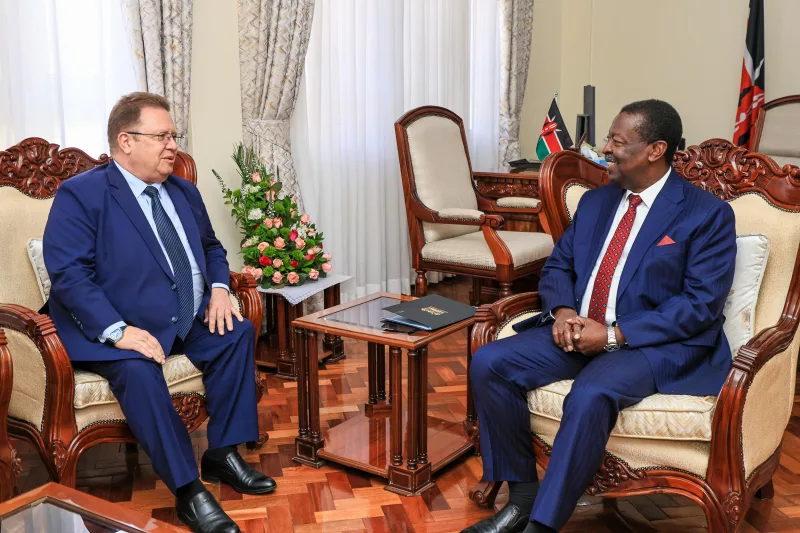
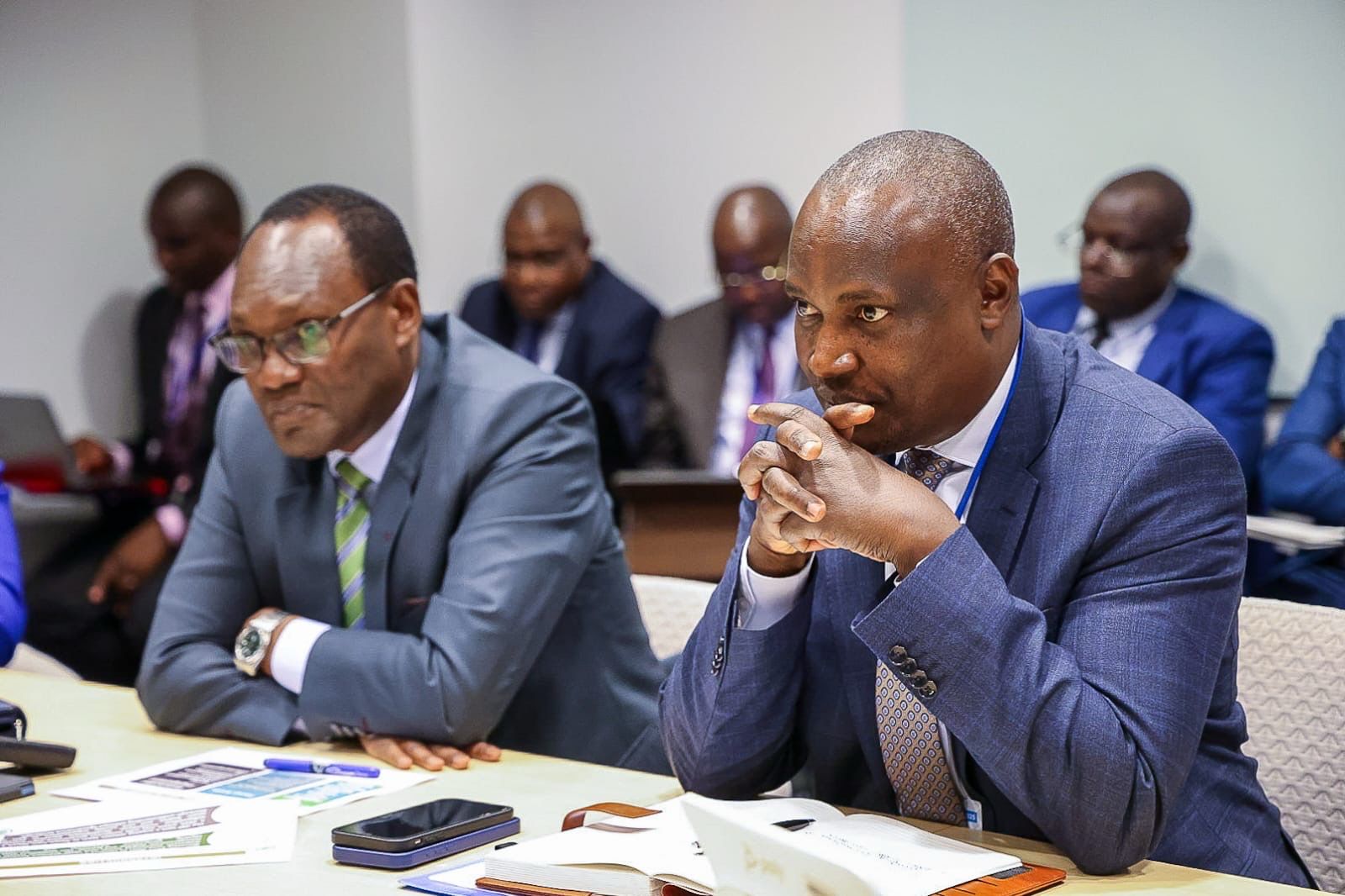
On Monday, the National Treasury CS John Mbadi led the Kenyan delegation currently attending the ongoing Spring Meetings by the IMF in Washington, DC, in a meeting with the fund’s officials.
The tool, which is likely to replace the periodic conditional reviews by the IMF, is a less costly plan compared to the previous arrangements where the country has been forced to hike the tax regime as part of local revenue-raising measures to curb over borrowing.
It examines the severity of corruption vulnerabilities in a country across six core state functions.
“These include fiscal governance, central bank governance and operations, financial sector oversight, market regulation, rule of law, and AML-CFT. Following the analysis, GDAs prioritise and sequence recommendations for systematically addressing the vulnerabilities.”
Initiated on request from authorities and subject to resource availability, IMF staff discuss the scope and timing of delivering a GDA.
At times, a call for a GDA may arise during IMF lending and surveillance activities.
Last month, Kenya and the IMF agreed to skip the ninth and final review of the current programme worth $3.6 billion, leaving roughly $800 million on the table. Instead, the East African economic powerhouse requested a new facility.
It is expected that the country’s representative in Washington, DC reach an agreement at the end of the session on April 26.
The use of the IMF’s corruption tool as a way of addressing fiscal gaps in Kenya is welcome, considering that the global credit rating agency, Standard & Poor's, had warned against the use of tax conditionality.
In a monthly outlook, experts at S&P argued that potential tighter fiscal conditions as part of the IMF programme will likely lead to lower credit growth in Kenya’s economy.
It warned that the fund has, over the years, pressured Kenya to hike its tax regime to tame borrowing, a case in point being in 2018 when the country was forced to implement Value Added Tax (VAT) on petroleum products as part of a loan agreement.
This condition aimed to increase revenue and reduce budgetary deficits. Although public uproar saw the government of the day settle for eight per cent, Kenya subsequently implemented a 16 per cent VAT on all petroleum products, effective June 30, 2023.
“We anticipate that the new program will impose stricter fiscal conditions, leading to tighter monetary policies and higher interest rates. This is consequently expected to increase borrowing costs for banks and customers, to exert pressure on borrower repayments, and to elevate the risk of loan defaults,’’ S&P states in the banking risk outlook for April.
ActionAid tends to agree with S&P, saying that the recent protests in Kenya against the Finance Bill (2024) show the shortcomings of the IMF’s policy advice in Africa.
“The Fund advised Kenya to raise taxes for essential goods and services as part of a debt repayment strategy,’’ ActionAid says in a Tax Justice report released last year.
According to the report, the proposed tax increases came against the backdrop of a ballooning public debt reaching over 68 per cent of GDP and high inflation rates.
“Advising the Kenyan government to prioritise debt repayment through tax hikes over basic needs, development, and social programmes exposed the most vulnerable to an extremely high cost of living.”
To encourage transparency and facilitate extensive support from all key stakeholders on governance reforms, a Governance Diagnostic is expected to be published, although at the discretion of country authorities.