Artificial intelligence, often heralded as the next technological revolution, is rapidly emerging as a double-edged sword.
While it offers transformative potential for humanity, AI poses unprecedented risks if commandeered by terrorist groups.
This stark warning originates from the latest issue of AtTAHALOF, a quarterly security and defence magazine published by the Islamic Military Counter-Terrorism Coalition.
The coalition – a 42-nation alliance of Islamic countries focused on combating terrorism – has issued a sobering call to action for governments and security agencies: master AI, or risk being outmanoeuvred by malevolent actors who are already doing so.
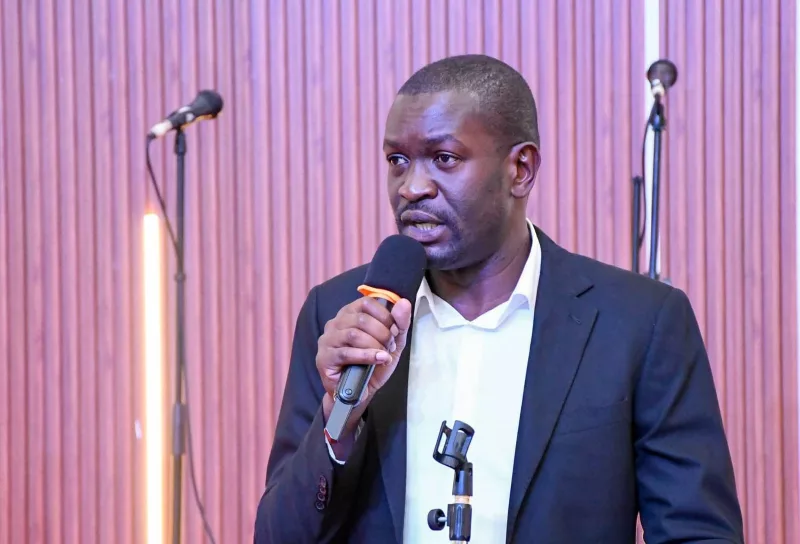
As part of its awareness and capacity-building initiatives, the IMCTC is currently holding a five-day anti-terror financing and money laundering training session in Nairobi.
Twenty-two elite officials from Kenya’s key security and intelligence agencies – including the Kenya Defence Forces, National Intelligence Service, Ethics and Anti-Corruption Commission and National Police Service – are participating.
The IMCTC is headquartered in Saudi Arabia.
In its report, AtTAHALOF outlines how AI is swiftly becoming a force multiplier for terrorist organisations.
From social media manipulation and precision targeting, to cyberattacks on critical infrastructure and the mining of cryptocurrencies to finance their operations, AI, the magazine warns, is a lethal addition to the arsenal of extremists.
“Artificial Intelligence has become a double-edged sword. It can be a blessing to humanity if used properly, ethically and with adequate controls,” the report reads.
“But in the hands of terrorist organisations, it poses a serious and evolving threat.”
One of the most concerning threats is how terrorists can employ AI to process and analyse massive quantities of data.
By studying online behaviours, identifying digital patterns and simulating potential attacks, they can plan operations with unnerving accuracy – reducing risk whilst increasing impact.
The report also highlights the growing use of AI in propaganda generation. Extremist content, hate speech and deepfakes can now be produced and distributed at scale, allowing terrorists to radicalise, recruit and psychologically manipulate audiences with chilling efficiency.
Social media platforms, with their global reach and ability to shield identities, only amplify the problem.
Cybersecurity remains another major concern. According to the IMCTC, terrorist networks are increasingly shifting their focus to digital infrastructure. AI can supercharge their ability to launch cyberattacks on government systems, utilities and public services.
These attacks aim not only to disrupt but to destabilise, weaponising confusion in the digital age.
The financial front is equally vulnerable. The report warns that AI is being used to mine cryptocurrencies and obscure financial trails, making it far more difficult for authorities to track the flow of illicit funds.
The dark web, encrypted communications and decentralised finance tools have become the new battlegrounds for terrorist financing.
In response, the IMCTC is urging governments, intelligence agencies and private tech firms to form united fronts – developing tools that detect early signs of terrorist activity, enforcing stricter financial regulations and building cross-border systems for information sharing.
Artificial intelligence, the coalition concludes, is here to stay. And whilst it offers immense benefits, it also gives terrorists the ability to act faster, hide better and hit harder.
Only a coordinated, proactive and technologically sophisticated response will be sufficient to stop them.