Kenya in under sustained pressure over links with sanctioned Sudan rebels RSF, who on Wednesday announced a parallel government in the country.
The latest to voice concern over links with Rapid Support Forces is Amnesty International, which has questioned Kenya’s suitability in mediation processes in Sudan, while at the same time, it is accused of backing RSF.
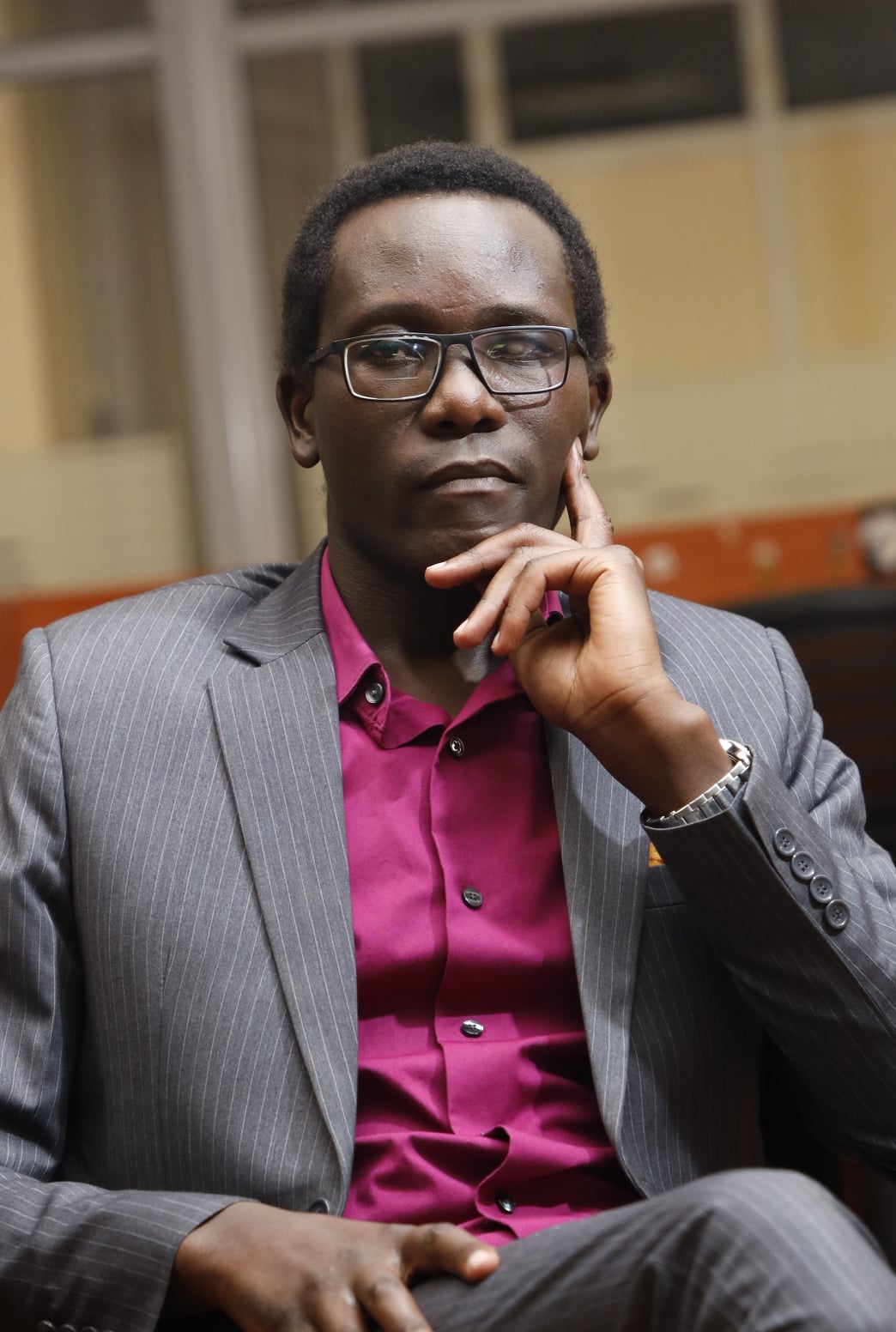
Amnesty International deputy regional director Flavia Mwangovya on Thursday called for “proper action beyond rhetoric and double speak, where we say one thing and support another”.
The junta government in Sudan has accused Kenya and President William Ruto, of having commercial interests in RSF and has rejected him as a mediator under the IGAD Quartet framework.
With allegations of ties with RSF, the junta has banned imports from Kenya and recalled its ambassador.
Former Deputy President Rigathi Gachagua has accused Ruto of engaging in shady gold business deals with RSF commander Mohamed Hamdan Dagalo, alias Hemedti.
Mwangovya told NTV that Kenya should demonstrate that its interest is the people of Sudan, respect of human rights and international humanitarian law.
“Our [Kenya] actions should be very clear and obvious because being accused of bias means people are convinced that you are of a particular position. It is very difficult to be in a position where you are being called to mediate and one side is not very convinced of your neutrality,” Mwangovya.
She said Kenya should demonstrate by fact and word that it is not taking sides.
In February, the Kenyan Section of the International Commission of Jurists-Kenya and 12 other civil society groups condemned Kenyan ties with RSF, warning that they undermine Sudan peace efforts.
“The Kenyan government’s disgraceful decision to host the Rapid Support Forces and its allied militias—infamous for their brutal reign of terror in Sudan—makes it complicit in mass atrocities against the Sudanese people,” the joint statement said.
It said Kenya’s move undermines Pan-Africanism by contradicting the African Union’s peace efforts in Sudan, led by the AU High-Level Panel and the AU Peace and Security Council Expanded Mechanism.
The AU Peace and Security Council in March condemned the announcement of a parallel government of Sudan in Nairobi by RSF.
AUPSC warned that the parallel government risks partitioning the Republic of Sudan.
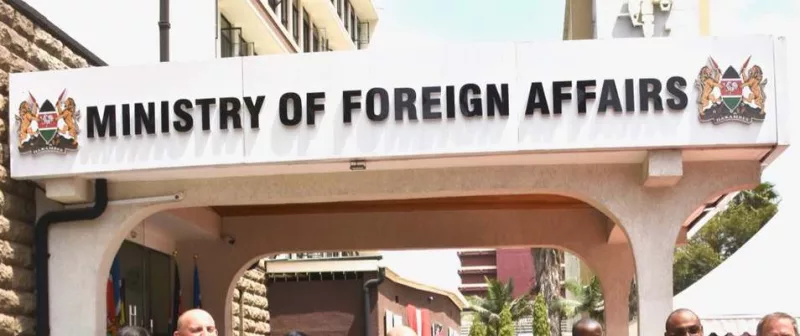
Prime Cabinet Secretary Musalia Mudavadi was on Tuesday at pains to explain to the BBC Kenya relationship with RSF.
Mudavadi said the notion that Kenya is biased is not factual.
The Foreign Affairs CS said Kenya is a centre for mediation and encourages peaceful resolution of the Sudan conflict.
“Kenya has engaged both RSF and SAF [Sudan Armed Forces] and they have been in Nairobi, including Foreign Minister Ali Youssef Ahmed who got audience with the President,” Mudavadi said.
Defending Kenya hosting of RSF, he reiterated that RSF did not form a parallel government in Nairobi, and that it was offering space for the group and its allies to dialogue.
“As the Foreign Affairs Minister, I want to state that a section of the Sudanese people had a session in Nairobi to dialogue among themselves and produced their own charter, which has been misconstrued to mean formation of a parallel government. At no point has Kenya been party to the formation of a government in exile or a parallel government for any country,” he said.
However, during the Nairobi meetings, RSF elements were categorical that they were forming the “government of peace and unity’ to rule the regions they control. They signed a constitution in Nairobi on March 4 under the banner of Sudan Founding Alliance.
On Wednesday, Hemedti confirmed consensus on a 15-member "Presidential Council," chosen from Sudan's various regions, as a "symbol of voluntary unity".
The council would be highest sovereign authority within the planned government structure, in accordance with the provisions of the transitional constitution signed in Nairobi by the factions within the Sudan Founding Alliance.
He said they were also creating a new currency and issuing a new identity cards “so that no Sudanese citizen is deprived of their rights”.
They are also working on the formula to share ministerial portfolios for each faction within the coalition.
The factions are RSF the National Umma Party, Democratic Unionist Party, Sudan People's Liberation Movement-North (SPLM-N), led by Abdel Aziz Adam al-Hilu, and the Darfuri Armed Movements Alliance, the Revolutionary Front and other political and civil forces.
At the same time the UK and EU-led Sudan conference ended without consensus after disagreements among Arab states.
Egypt, Saudi Arabia, and UAE disagreed over the wording of the final communique.
Egypt, which maintains ties with the Sudanese army, and UAE, which Sudan accuses of arming RSF, disagreed on the communique. As a result the UK, the EU, France, Germany and the AU were forced to issue their own statement.
This even as Mudavadi noted that Sudan had become a remote playground for different competing interests.