Potential tighter fiscal conditions as part of the International Monetary Fund (IMF) programme will likely lead to lower credit growth in Kenya’s economy.
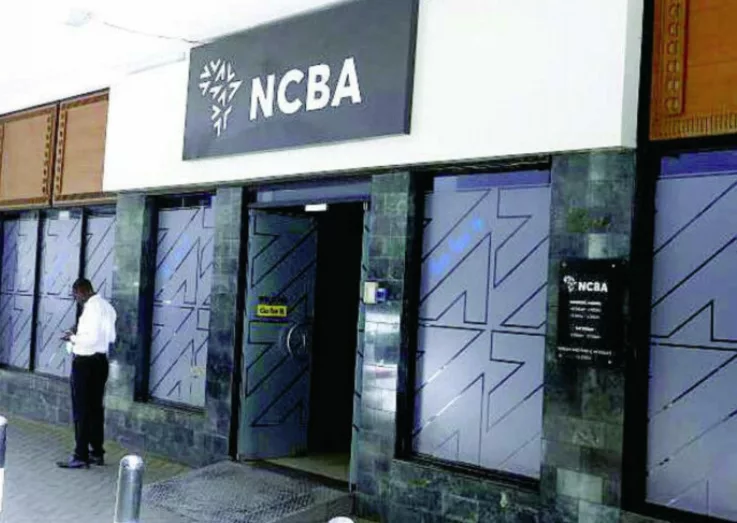
Banking risk experts at the global credit rating agency, Standard & Poor’s have warned that not even ongoing monetary policies that have seen the base-lending rate cut to 10 per cent will save the situation.
This was yet another steep cut after another 50 basis points cut in February in addition to lowering the Cash Reserve Ratio (CRR) to 3.25 per cent in a move aimed at boosting private sector credit and lowering the cost of borrowing.
The CBR was previously cut thrice between August and December 2024 while the CRR was last revised at the onset of the Covid-19 pandemic in March 2020, from 5.25 per cent to 4.25 per cent.
“We anticipate that the new programme will impose stricter fiscal conditions, leading to tighter monetary policies and higher interest rates. This is consequently expected to increase borrowing costs for banks and customers, to exert pressure on borrower repayments, and to elevate the risk of loan defaults,’’ S&P states in the monthly banking risk outlook for April.
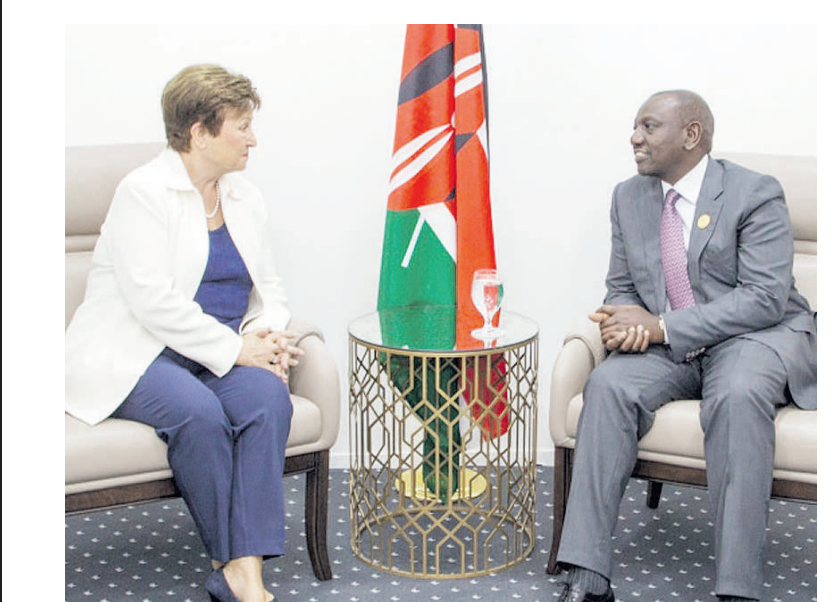
In mid-March, Kenyan authorities and IMF staff agreed to halt the ninth review of the $3.6 billion Extended Fund Facility (EFF) and Extended Credit Facility (ECF) programmes initiated in 2021 and was to expire next month.
The country has since requested a new programme that may incorporate $800 million of unused funds from the current arrangement.
Experts at S&P are worried that like other past fiscal support from IMF, the one on the negotiating table will likely trigger a higher tax regime to ensure the country goes slower on borrowing, fiscal consolidation and higher bank rates to ease potentially higher inflation.
Central banks increase interest rates to combat rising inflation, slow down economic activity, and decrease overall demand while reversing course during economic downturns. Thus, the connection between the two is critical not just for macroeconomic analysis but also for everyday spending.
S&P argues that the IMF has over the years pressured Kenya to hike its tax regime to tame borrowing, a case in point being in 2018 when the country was forced to implement Value Added Tax (VAT) on petroleum products as part of a loan agreement.
This condition aimed to increase revenue and reduce budgetary deficits. Although public uproar saw the government of the day settle for eight per cent, Kenya subsequently implemented a 16 per cent VAT on all petroleum products, effective June 30, 2023.
ActionAid tends to agree with S&P, saying that the recent protests in Kenya against the Finance Bill (2024) show the shortcomings of the IMF’s policy advice in Africa.
“The Fund advised Kenya to raise taxes for essential goods and services as part of a debt repayment strategy,’’ ActionAid says in a Tax Justice report released last year.
According to the report, the proposed tax increases came against the backdrop of a ballooning public debt reaching over 68 per cent of GDP and high inflation rates.
“Advising the Kenyan government to prioritise debt repayment through tax hikes over basic needs, development, and social programmes exposed the most vulnerable to an extremely high cost of living.”
Samson Orao, the Programmes and Strategy lead at ActionAid International Kenya says that taxes to service debt instead of addressing bread-and-butter issues is a recipe for disaster and one whip too many on the backs of Kenyans, who continue to tighten their belts and bear the burden of the government’s austerity measures.
“It is unfortunate that the IMF has learned nothing from its past failed policy advice to governments in Africa, dating back to the structural adjustment programmes in the ‘80s.”
He adds that the latest fallout in Kenya should serve as a pivotal moment for the IMF’s dealings with Global South countries.
The Kenya government has, however, defended the engagement with IMF, with the National Treasury CS John Mbadi indicating that there is no other way out.
Speaking during a medium-term debt strategy forum in Nairobi on March 26, Mbadi cautioned Kenyans to tighten their belts for a bumpy ride between now and 2034 when the country is expected to settle a bulk of its Sh11.2 trillion debt.
“We are in a debt repayment phase of our history. Although the government is scouting for strategies to ease the burden including a new arrangement with the IMF, it will not be an easy ride,’’ Mbadi said.
Last week, CBK governor Kamau Thugge hinted that Kenya is likely to use The 2025 IMF Spring Meetings scheduled for April 21-26 in Washington, DC to negotiate the new arrangement.
He did not disclose further details during a post-MPC briefing, only acknowledging that talks are at an advanced stage.