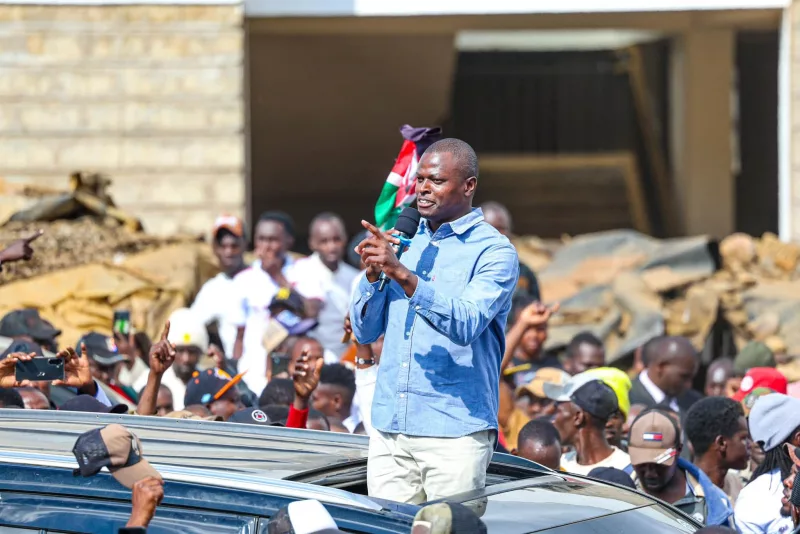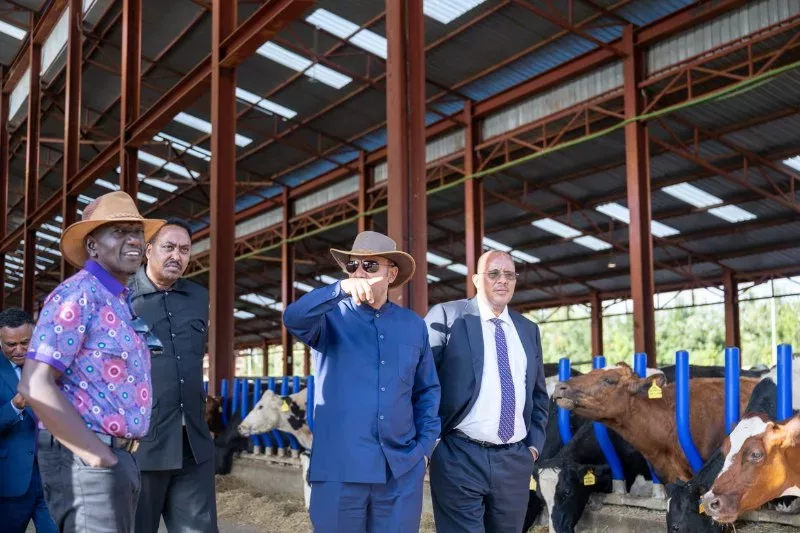
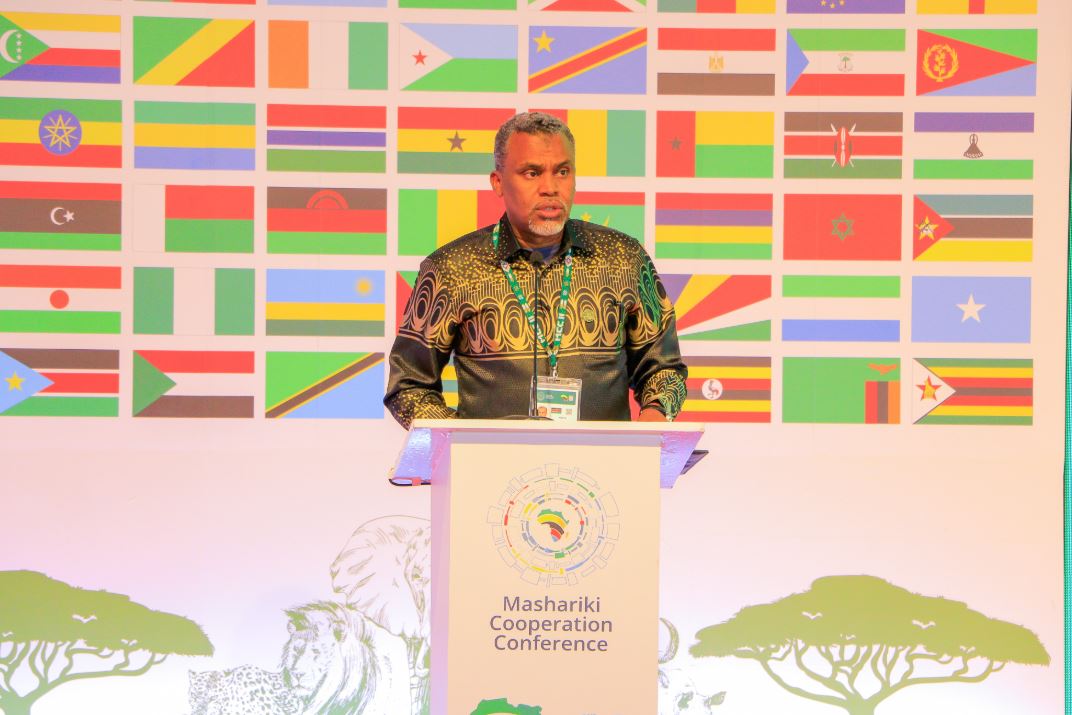
At the 2nd Mashariki Cooperation Conference (MCC II) in Naivasha, top African security officials called for enhanced intelligence collaboration and the adoption of Artificial Intelligence (AI) to counter evolving threats.
Cabinet Secretary for Interior and National Administration Kipchumba Murkomen emphasized that traditional surveillance is no longer sufficient and urged intelligence agencies to integrate AI for real-time threat detection, social media monitoring, and predictive security measures.
“Africa may lag in technological innovation, but we cannot afford to remain vulnerable to threats driven by these advancements. We must embrace self-reliance, especially as global powers turn inward, leaving us to manage our own security challenges. Protecting our continent’s vast natural resources requires both security and sustainable management,” Murkomen stated.
The Director General of the National Intelligence Service (NIS), Noordin M. Haji, reinforced the urgency of regional cooperation in tackling security challenges such as terrorism, organized crime, and digital misinformation.
He warned that terrorist groups exploit instability to expand their influence, while cross-border criminal syndicates continue to destabilize the region.
“Misinformation and disinformation on social media are eroding governance and national stability. While digital platforms are vital to democracy, their manipulation fosters psychological uncertainty and poor decision-making among the public,” Haji cautioned.
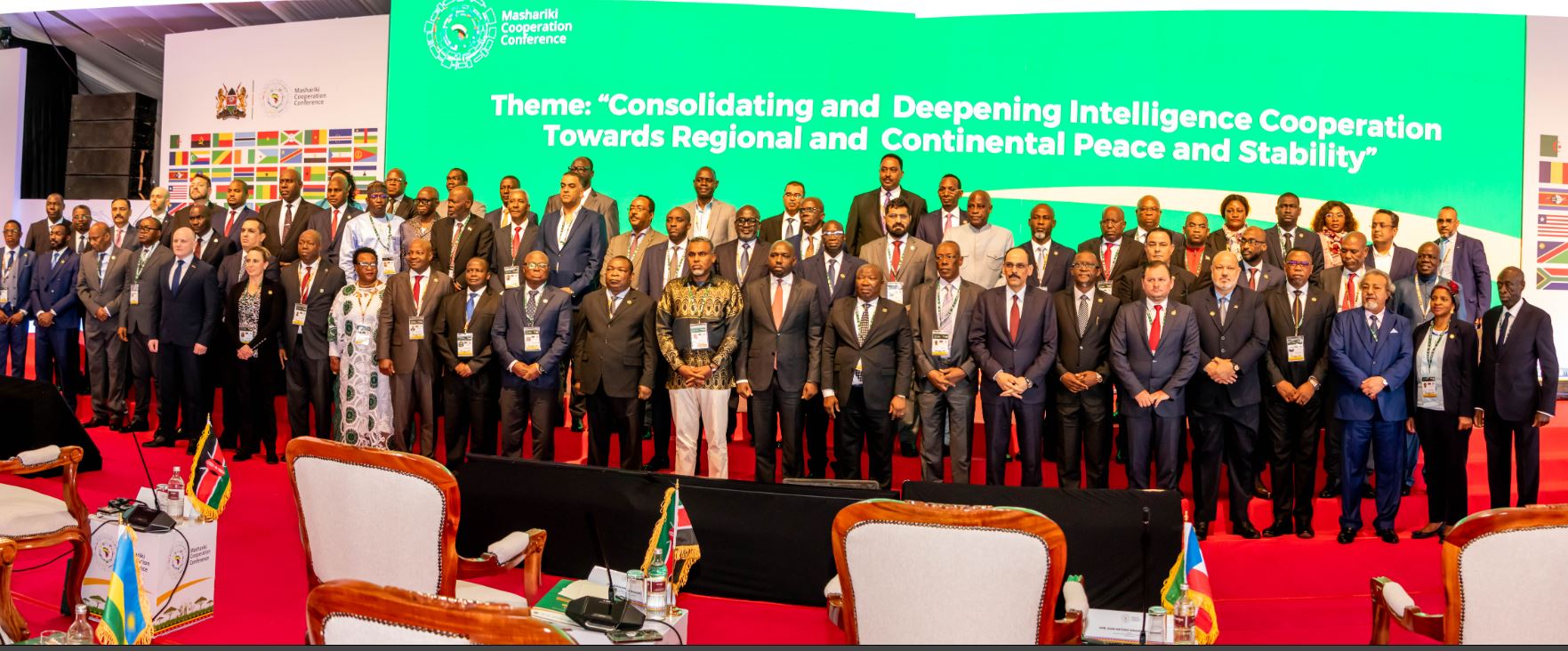
Security leaders at the conference explored strategies to counter digital threats while safeguarding democratic freedoms.
Climate change also emerged as a growing security concern, with resource-based conflicts and food insecurity posing serious threats to stability.
Haji stressed the need for a unified African approach to climate-related security challenges, ensuring that global policies align with the continent’s unique realities.
The conference underscored the importance of intelligence-sharing frameworks, joint operations, and stronger regional cooperation.
“We must work together—not just to counter today’s threats, but to build a more resilient future for Africa,” Haji concluded.
MCC II reinforced the urgency of adapting to modern security threats, with AI-driven intelligence and deeper regional integration emerging as key to safeguarding Africa’s future.