The government has put on notice illegal cooking gas dealers, black market petrol outlets and electricity connections as it plans a countrywide crackdown.
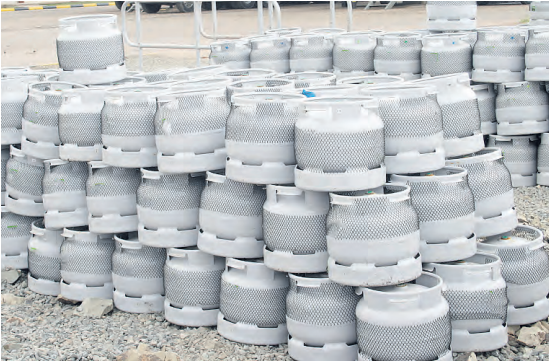
Major focus however is on illegal gas refilling and distribution as the State-led Liquefied Petroleum Gas project, meant to increase the product uptake by public institutions and households takes shape, amid plans to regulate prices.
Energy Cabinet Secretary Opiyo Wandayi has directed the Energy and Petroleum Regulatory Authority (EPRA), in collaboration with state security agencies, to crackdown on illegal LPG dealers and ensure they are prosecuted.
Licensed players who flaunt the law will also have their permits revoked under the new directive, which seeks to enhance safety in the industry and safeguard lives.
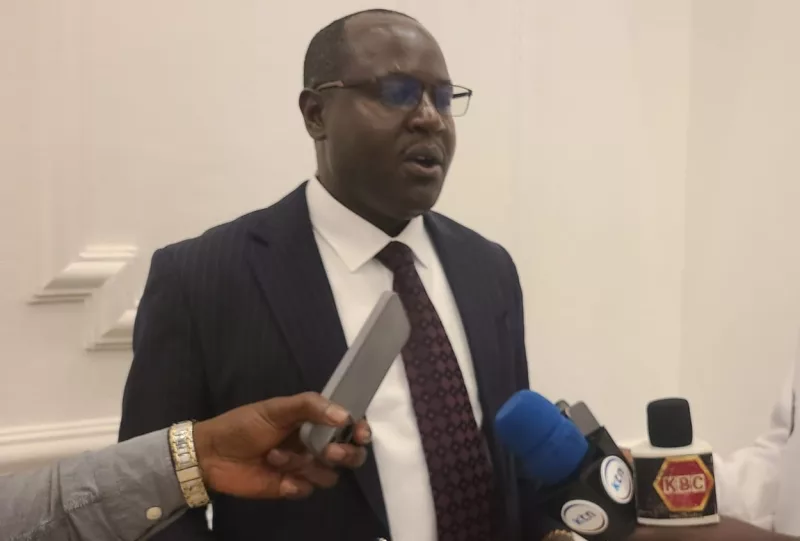
“We are telling unscrupulous dealers who are used to illegalities and engaging in irregular activities, their days are now numbered. The law is on our side and the resolve is now stronger that going forward, we shall be dealing with such cases very ruthlessly, but in accordance with the law,” Wandayi said.
He spoke in Nairobi yesterday during an energy sector–National Stakeholders Conference to launch the Alliance for Safety under the “Kaa Safe Mtaani” campaign, to drive a nationwide culture of safety, responsibility and compliance.
This is on the back of rising cases of electrical accidents which went up to 153 cases as of June 2024 and increasing risks in handling LPG and petroleum products.
According to EPRA, more than 20 per cent of LPG sold in Kenya is illegally refilled, increasing explosion risks. Major incidences recorded in recent times include the Embakasi (Nairobi) gas explosion in February last year which led to seven deaths with over 300 people left with serious injuries.
An LPG truck also exploded along Thika Road in 2023 leaving three people dead and more than 20 individuals injured. In 2022, a fire broke out at an illegal refilling plant in Nairobi killing five and causing damage running into millions.
EPRA last year shut down 49 non-compliant gas plants. Prosecution gaps, lenient fines and sentences have previously been blamed for frustrating the fight against illegal dealers.
EPRA Director general Daniel Kiptoo said the regulator is working closely with the Office of the Director of Public Prosecution, the police and judiciary to ensure culprits get punished as per the law, with the help of the Petroleum Act of 2019 and the LPG Regulations (2019), which spell out stiff penalties and jail terms.
They include a minimum of Sh10 million in fines and minimum of five years imprisonment for those in illegal LPG business.
“We must embed a culture of safety, responsibility and compliance,” Kiptoo said.The onslaught on illegal LPG businesses comes as the government pushes its ambitious plan to increase annual LPG uptake from 7kgs per capita to 15kgs and enhance penetration from the current 24 per cent to 70 per cent by 2028.
This includes the ongoing shift to LPG use in schools and public instructions and inclusion of LPG systems in new buildings including the Affordable Housing projects.
Plans are also underway to regulate gas prices after Cabinet in December approved procurement of LPG through the Open Tender System (OTS), in a move that could end monopoly in the industry and lower the cost of cooking gas.
Insiders at EPRA have hinted the gas pricing, similar to fuel products, could come into play by the second half of this year.
“What is happening now is putting in place the OTS system. It (pricing) could come sooner that you expect,” a senior official told the Star.
The government is working with the private sector to establish a common-user import facility at Kenya Petroleum Refineries Limited in Mombasa.