Geopolitical tensions, rising global commodity prices and international trade disruptions pose challenges to Kenya’s economy in 2025, according to the latest Absa Kenya Economic Overview.
These coupled with inflation trends and monetary policy shifts in advanced economies, have been highlighted as key risks to watch out for by businesses in the country.
Absa Bank senior economist Phumelele Mbiyo says that despite the projection of a stronger shilling, other global factors beyond Kenya’s control will have to be monitored closely.
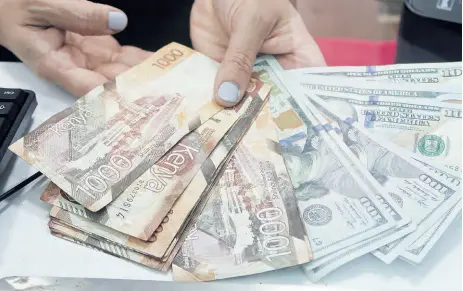
“The Kenya shilling is projected to remain stable, supported by robust international financial inflows that have strengthened foreign exchange reserves to near-record levels,” said Mbiyo.
“The country’s access to international financing, including foreign portfolio inflows to the local bond market, multilateral loans from institutions such as the World Bank and the International Monetary Fund, bilateral loans, and the Eurobond market, has helped maintain investor confidence and mitigate volatility in the forex market.”
The outlook projects that Kenya’s GDP will grow at 4.9 percent in 2025. A sectorial shift from agriculture to construction and financial services is expected to drive this, while investment spending remains a minimal driver of economic expansion.
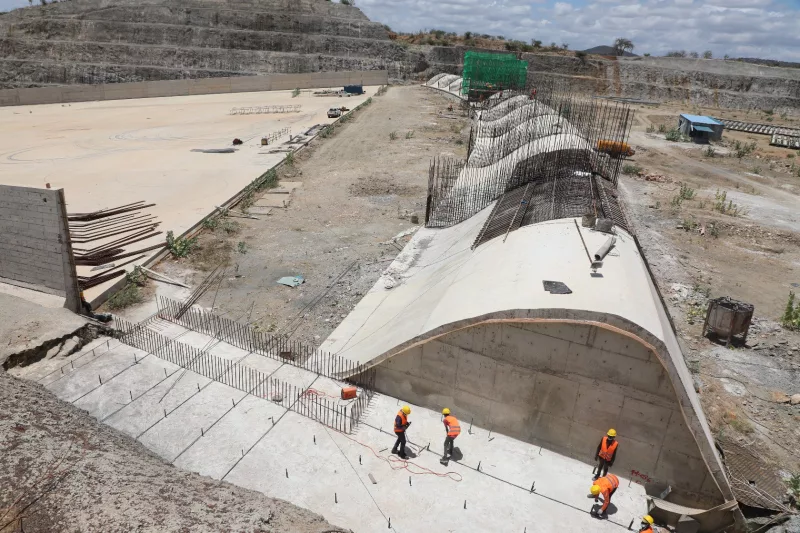
“The construction sector had stagnated after peaking in 2022. The sector is, however, now picking up and has shown recovery over the last few months,” added Mbiyo.
Absa says that net investment, which includes money spent on new buildings, equipment, and stock while excluding the loss in value of old assets, will still depend on money coming in from other countries.
Inflation is forecasted to average 4.5 percent in 2025, with core inflation remaining stable at around two percent since July 2024.
Food inflation remains a significant upside risk, particularly in the first quarter, when the La Niña phenomenon is expected to be at its most intense.
The economist says that while food and non-alcoholic beverage prices have increased at an annualized pace of 12 per cent over the three months leading to January, macroeconomic imbalances are not yet evident.