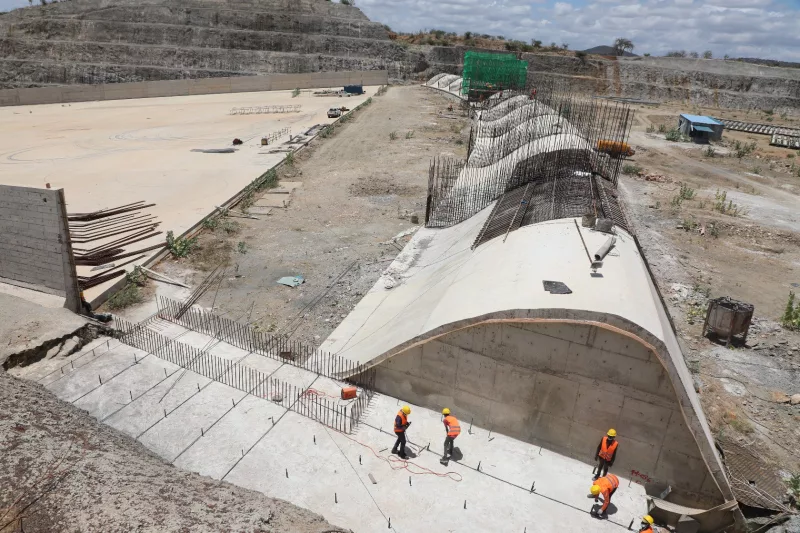
Kenya Railways is finalising key studies that will inform relocation and investment decisions on the planned extension of the Standard Gauge Railway line from Naivasha to Malaba via Kisumu, management has said.
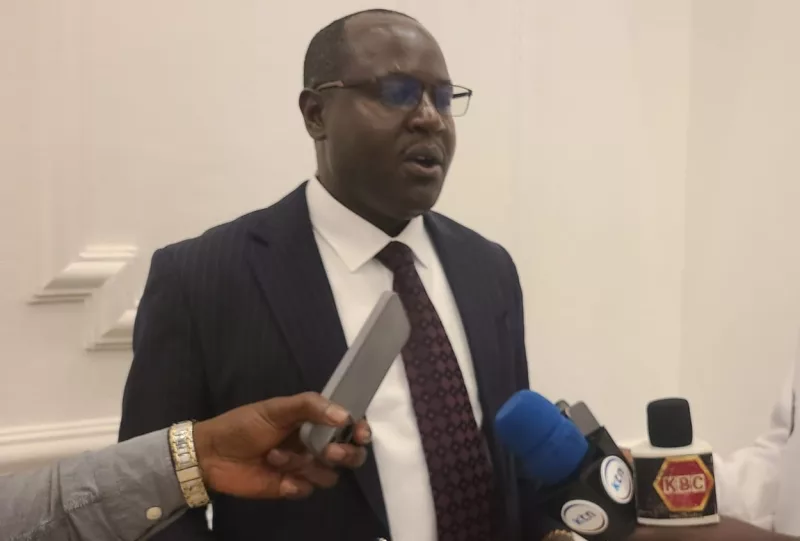
In an exclusive interview with the Star, managing director Philip Mainga yesterday said the corporation, through a consultant, has completed the relocation action plan study after identifying the corridor for the construction of the railway line, with a final report expected to be ready by end of this month.
This will be handed over to the National Land Commission, which will then move ahead with the relocation and compensation programme.
The railway line will run through Narok, Bomet, Nyamira, Kisumu and finally Busia county. An Environmental and Social Impact study that assesses potential impacts and mitigation measures in consultation with Project-Affected Persons (PAPs) is also expected to be ready by April.
According to Mainga, Kenya Railways Corporation has also commissioned a third study on logistic hubs along the railway line with a key focus on value addition, in a move expected to promote industrilisation.
“We have identified different areas in Narok, Bomet, Nyamira, Kisumu, Vihiga and Busia which will have economic zones, value addition for tea, coffee, fish, horticultural crops among other produces as we look at economic gains including increasing the country’s exports,” Mainga said, with all reports expected to ready by end of April.
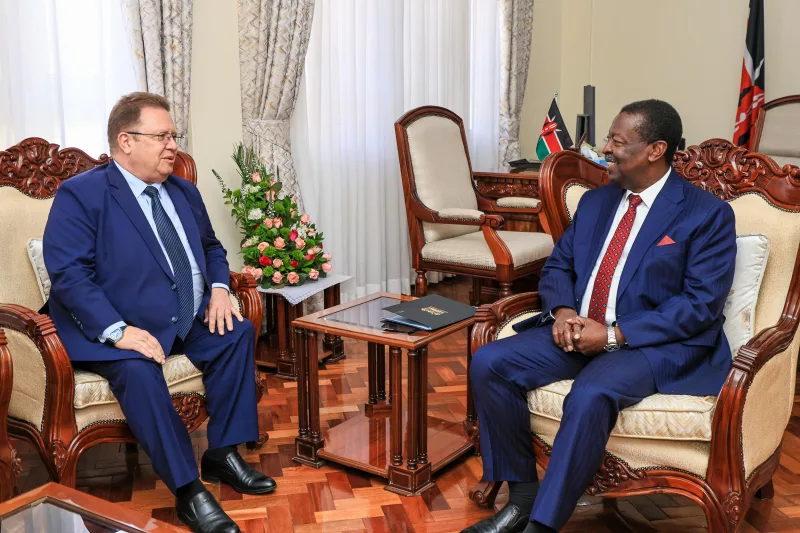
The latest developments are major boosts to the development as the government, through the Transport and Treasury ministries, continues to engage investors on funding of the project which is expected to commence in the second half of this year.
The 475-kilometre line SGR phase 2B (Naivasha-Kisumu) and 2C (Kisumu-Malaba) is estimated to cost about Sh648 billion.
So far, China, which was behind the Mombasa-Nairobi SGR line, completed in 2017 at a cost of Sh327 billion, before being extended to Suswa (Naivasha) – Phase 2A at a cost of 150 billion, remains the most top choice for the Kenyan government.
“We are also in the financing stage where the government through Treasury and Transport ministries are engaging to get a solution. Soon, the government will be giving direction, we have done our part as directed by the government,” Mainga said.
Kenya has over the years remained a major part of China’s Belt and Road Initiative (BRI), an infrastructure development project that has had a significant impact on the country’s infrastructure development.
The Asian country has since pledged to advance major projects under BRI as part of its economic blueprint for 2025, which places Kenya’s SGR extension at a strategic position even as Afristar, the operator of SGR enters the final phased of handing over operations to Kenya.
“We are now at 98 per cent so by December it will be fully a Kenyan operation,” Mainga said.
An extension will be a major boost not only to Kenya’s economy but the Northern Corridor where Uganda is also expected to develope a connection to Kampala and further into other neighbouring countries served by the Port of Mombasa. Currently, the SGR railway ends at Duka Moja (Naivasha).
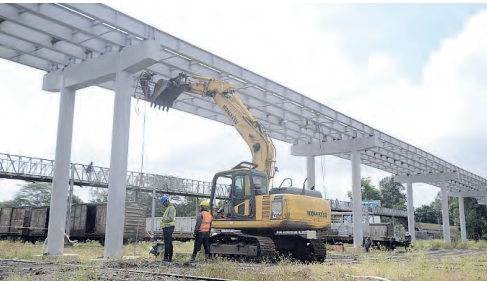
To ensure seamless movement of goods, SGR has connected the SGR to the Metre Gauge Railway for last-mile delivery to other parts of the country and vice versa.
The SGR-MGR connection is seen as a game changer in growing industries in the Rift Valley, Western Kenya and Nyanza, while boosting trade in the region that comes with the revival of the Lake Victoria transport network and Kisumu Port.