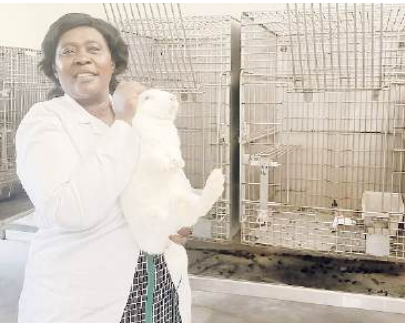
Scientists at the Kenya Agricultural and Livestock Research Organisation are encouraging farmers to keep rabbits not only for food and fertiliser but also for therapy.
At the Small Animal Breeding Unit at the Biotechnology Research Institute Muguga branch, Josephine Nyasani has discovered the remarkable therapeutic potential of rabbits.
She said beyond their role as a source of food and fertiliser, rabbits offer emotional support, particularly for children with autism and individuals with disabilities.
“Through their calming presence, these gentle animals have become a source of joy, relaxation and healing for many, proving that sometimes, the simplest creatures can make the biggest difference,” she said, noting the soothing impact rabbits have on children with autism.
“Simply interacting with these animals helps calm them and lift their spirits. It’s therapeutic, reducing disruptive behaviors and promoting emotional stability.”
The American Veterinary Medical Association states that animals can provide necessary aid to people with disabilities and varying health conditions.
The association shows that there are different types of assistance animals including service, emotional support and therapy animals and rabbits are coming up to provide physical and emotional support to people in need.
The therapeutic effects of rabbits extend not only to children but also to farmers. Nyasani pointed out how caring for rabbits, such as the New Zealand White and California White breeds, can reduce stress and bring a sense of joy and relaxation.
“For children with disabilities who are often confined to the house, bringing rabbits into their environment can be uplifting,” she said.
“Instead of being isolated indoors, children become happier when they have rabbits around. They find joy in their presence and in the simple act of touching them. It gives them a sense of belonging and connection.”
She added that children with autism often experience sudden bursts of anger or are overly timid. Rabbits, being docile creatures, help calm these children.
“The animals offer them a sense of comfort, and as they interact with them, it becomes therapeutic. These children enjoy playing with the rabbits, which helps them forget their anxieties,” Nyasani said.
She further said that rabbit therapy could benefit adults. “If you’re having a bad day or feeling frustrated, spending time with rabbits can help clear your mind.”
She encouraged children to take up rabbit keeping through initiatives like the 4-K Club. Researchers from the Biotechnology Research Institute are also providing innovative approaches of applying available bioresources (materials that occur naturally that can be used as a source of raw materials for products) to provide solutions to challenges affecting health.
Paul Ngari, a researcher at the pharmacology and microbiology research department of the Biotechnology Research Institute, said innovative solutions such as maggot therapy offers an affordable, effective and sustainable management of chronic wounds.