 THE STAR ILLUSTRATION
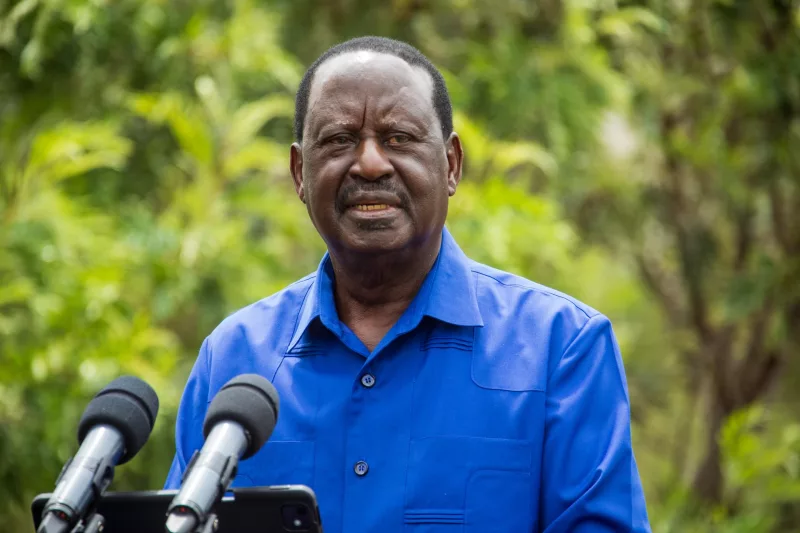
Raila Odinga has long been a towering figure in Kenya’s political landscape, a name synonymous with the struggle for democracy, justice and equity. As Kenya stands at a crucial political crossroads, Raila finds himself at yet another defining moment.
Following his bid for the African Union Commission chairmanship, he is now re-engaging with his base, consulting allies and assessing his next move.
The choices he makes in the coming days will shape both his political future and the trajectory of Kenya’s democracy.
Raila’s unwavering dedication to the people has been the hallmark of his political career. From fighting dictatorship in the 1980s to championing democratic reforms and electoral justice, he has remained a steadfast advocate for the ordinary citizen.
His attempt to secure the AUC position was a strategic move to elevate Kenya’s influence on the continental stage, yet rather than stepping back after its outcome, he has intensified his engagement with supporters eager to see him continue the fight for a just and prosperous nation.
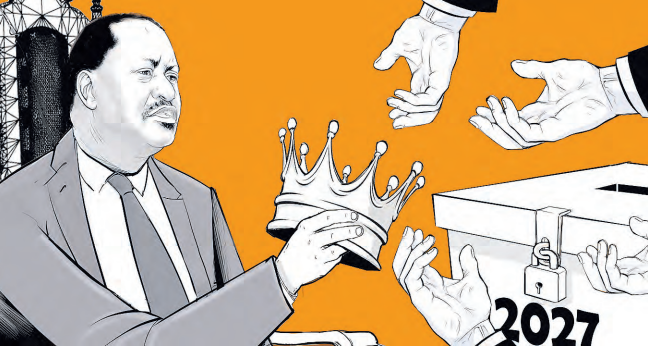
As the 2027 election draws closer, Raila faces several potential paths, each carrying significant implications for his legacy and the nation.
One option is a full-scale return to opposition politics. Many Kenyans feel the current administration, led by President William Ruto, has failed to deliver on key promises, particularly regarding the economy and governance. Rising costs of living and concerns over corruption have fuelled public frustration.
Raila, known for mobilising mass movements and pushing for reforms, could reignite the spirit of resistance and hold the government accountable.
This path would reinforce his role as a watchdog and a voice for the people, demanding action where governance falls short.
Raila has a storied history of coalition-building, uniting leaders from diverse backgrounds in pursuit of common goals.
With speculation mounting over possible alliances among key opposition figures, a broad coalition could offer a formidable challenge to the ruling party.
However, coalition politics in Kenya is complex, often marked by ideological differences and shifting loyalties. To succeed, Raila would need to present a compelling vision that binds opposition leaders together beyond just their shared goal of removing the current administration.
Even when not on the ballot, Raila remains one of Kenya’s most influential political figures.
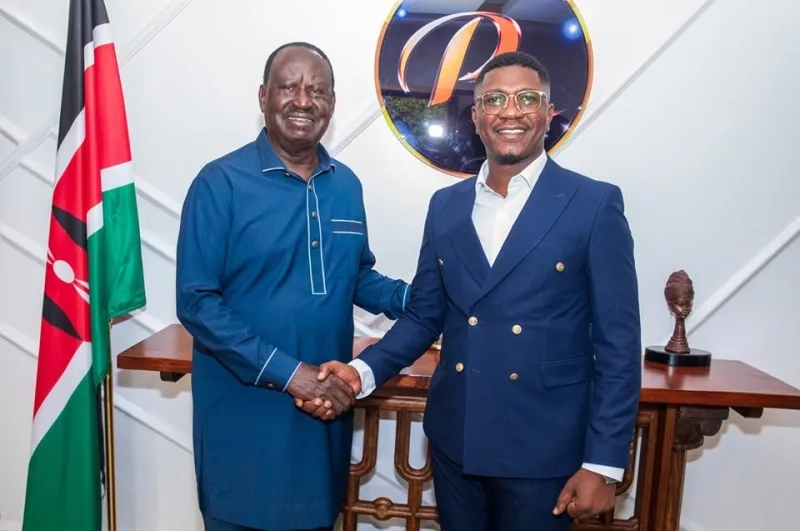
By endorsing a younger leader who shares his vision, he could ensure the right leadership takes charge while continuing to shape national policy behind the scenes.
This approach would allow him to mentor the next generation of progressive leaders, cementing his legacy as a statesman who prioritised Kenya’s future over personal ambition.
However, convincing his supporters to embrace a transition in leadership could prove challenging without a clear and equally compelling successor.
Some political observers speculate that Raila could engage with the government in a structured manner. Unlike those who seek positions for personal gain, he has consistently positioned himself as a reformist.
If he were to negotiate a working relationship with the administration, it would have to ensure meaningful reforms, particularly in electoral justice and devolution.
However, this path carries risks, as his base may view it as a softening of his stance against the establishment.
Clear guarantees that such engagement serves the people’s interests rather than political expediency would be necessary. Regardless of the path he chooses, Raila’s legacy as one of Kenya’s most influential political figures is already cemented.
His decades-long fight for democracy and justice has shaped the nation, and his next move will be closely watched.
Will he lead the opposition into another battle, forge a coalition for change, empower a new generation, or seek structured engagement to push for reforms?
One thing remains certain—Raila Odinga continues to be the strongest political force in Kenya today. His vision still resonates with millions, and as 2027 approaches, his decision will be guided by their aspirations.
Fredrick Okango is a political strategist and expert in leadership and governance.