A group
of anti-narcotics operators is meeting for a training session on how to address
new emerging drug trends in the world.
The Director, of the Directorate of Criminal Investigations Mohamed Amin
officiated the opening of a Drug Identification Training for 28 officers drawn
from DCI, National Authority for the Campaign Against Alcohol and Drug Abuse
(NACADA) and Kenya Coast Guard Services (KCGS) at the Nairobi Safari Club.
The week-long training focuses on enriching the skills of Anti-drug operators, to identify drugs and analyze suspects' behaviour, thereby combating the use and trafficking of narcotics and other psychotropic substances.
Amin said there are emerging trends that are complicated hence the need for regular training and sharing of ideas.
Amin had last week during a trip to the US met top officials at the Drug Enforcement Administration (DEA).
The discussions focused on a range of pressing issues surrounding the sale, distribution, and consumption of narcotic drugs, with both parties reaffirming their unwavering commitment to combat these challenges, a statement said.
Among the specific areas of collaboration discussed were
improvements in forensic capabilities, training for local law enforcement
officials, and the implementation of educational outreach programs targeting
youth and vulnerable populations.
During
the meeting in Nairobi, Amin said drug identification is about saving lives.
“Drug identification training is not just about recognizing substances, it is about safeguarding lives," Amin said.
“Accurate identification prevents misuse, ensures proper medical treatment, and supports law enforcement efforts. It is a critical skill for healthcare professionals, law enforcers and educators alike."
He lauded the DEA and the Bureau of International Narcotics and Law Enforcement Affairs (INL) for their support in equipping and facilitating the training.
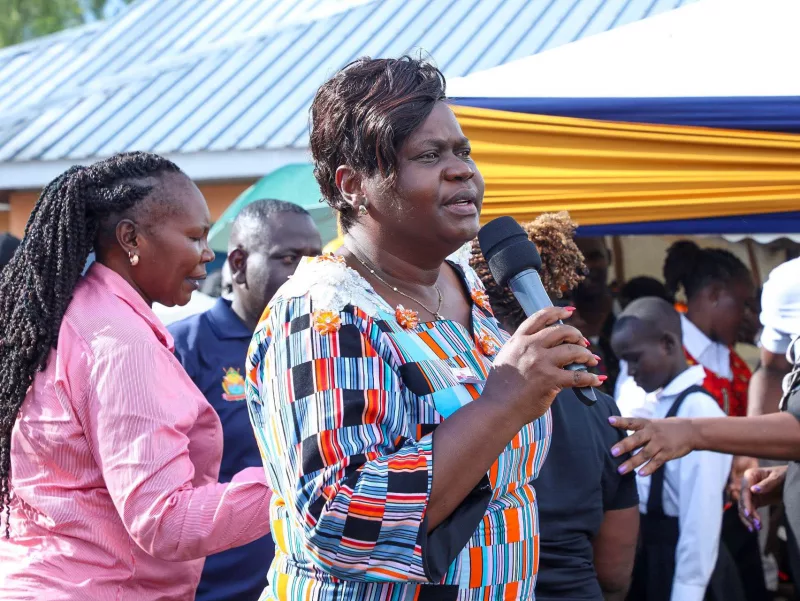
NACADA CEO Dr Anthony Omerikwa pointed out that the issue of illicit drug cultivation, trafficking and abuse was not just a Kenyan problem but a global menace.
"It
is like a bad guest who doesn’t knock on the door but still manages to mess up
your house," he said.
Also present was Col. Boru Kula representing Bruno Shioso, the Director General
of Kenya Coast Guard Services (KCGS) and the Director of Anti-Narcotics at DCI
Samuel Laboso.
The drug trafficking menace is still rampant in the country and region at large despite persistent operations to address the same.
Teams have been staging operations to tame mules and barons in the business.
Some use roads, airports and ports to traffic narcotics.
Most trafficked drugs include heroin and cocaine.