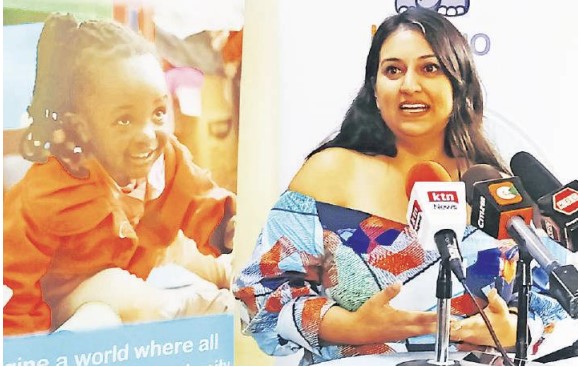
One day in 2014, Sabrina Habib was walking in a Mlolongo neighbourhood and stumbled upon a child daycare made of old mabati that was so dim inside she almost stepped on a child.
Unlike the norm of noisy babies, the infants there were largely silent and hardly played at all.
Habib’s heart sank, but she quickly spotted an opportunity.
With her husband, she started Kidogo, an initiative that brought together owners of small-scale child daycare centres, especially in slums.
She trained them in better ways of caring for children, keeping them engaged, stimulated, wellfed and healthy.
And she taught business skills, good childcare made moneymaking sense.
After a year, five daycare owners had enlisted in the initiative. Ten years later, more than 2,000 mostly women-owned centres have joined.
Kidogo has touched the lives of 50,000 young children in eight counties and aims to reach one million toddlers by 2030.
The network of Kidogo daycare centres exists in Nairobi, Mombasa, Kisumu, Nakuru, Kajiado, Kiambu, Machakos and Embu.
“It was a sad feeling for me when I almost stepped on a child in the dimly lit room. As we all know children at that age are playful and full of energy and to see them so dull was disheartening,” she told the Star.
Habib said she felt the need to train the people running the daycares to professionalise them to benefit little children.
From her anecdotal research before starting Kidogo, she found that in some poorly staffed daycare centres, children were given an antihistamine to make them sleep or changáa to keep them dull and inactive, so they didn’t bother caregivers.
“This really hurt me. I felt I had to do something, and this is how Kidogo came to be,” Habib said.
Experts say 80 per cent of a child’s brain develops up to age three, Habib notes, saying poor daycare has a lifelong impact on the children as it lowers their cognitive ability and sustains the cycle of poverty in families.
“With poor daycare, they get a weak start in life, their schooling gets affected, they don’t or can’t learn well, hence, the sustained cycle of poverty,” Habib said.
“I’m
determined that our children get
the best at a younger age.”