
The demand for
information integrity and responsible production and consumption of content
including on both traditional media channels and digital platforms in the face of widespread harmful content, including but not limited to hate speech, disinformation,
and foreign information manipulation is at the core of global discussions.
Access to quality
and useful information by citizens to enable them to make informed decisions be
it economic, social or democratic processes even as the need to protect freedom
of expression remains paramount for the respect for human rights.
Media platforms, both liberty and digital spaces are the biggest sources of information in both the public and private spheres, information that is critical to facilitating citizen participation in governance and democratic processes in their countries.
For the information to be useful to citizens to
realize their human rights, it must be clean, timely and available, in the
context of the current information overflow that many times only makes noise.
The corrupted
information system has become the oxygen of disinformation, misinformation and
foreign manipulation of information globally. Media, especially digital
platforms have become the main arena where the pollution of information is
happening, and in equal measure is the place where efforts on information
integrity, accountability and influence must focus.
Disinformation
and misinformation about elections, vaccines, climate change, national
development, innovations, global economics, businesses, democracy, wars,
education and or health are a big threat to humans now than ever before. Increasingly
because of the critical role the media plays in amplifying freedom of
expression and access to information by citizens, and from numerous studies
that indicate that the media is the oxygen for criminal activities including
terrorism, foreign manipulation of information and disinformation campaigns, a
lot of discussions and action along either coming up with laws or administrative
codes to reduce space for freedom of expression, targeting liberty media and
more especially digital platforms.
Several
countries have come up with cybercrime and computer misuse laws, administrative
codes that require a national security approach to dealing with disinformation
and pollution of the information space and national crackdowns on suspected
individuals using the media to spread false news.
In that
context and because of the global concern to clean up the information space
through information integrity and accountability campaigns and interventions without
threatening the fundamental human right of freedom of expression, the UN came
up with the Global Principles For Information Integrity which presents a vision
of a future in which power imbalances are redressed so that a small group of
actors - including technology companies based in a handful of countries - no
longer monopolize control over global information flows.
The principles are largely calling for robust and responsive information ecosystem that delivers choice, freedom, privacy and safety for all, in which people everywhere can express themselves freely and make informed and independent decisions.
We need a very broad-based and one-society approach to the problem of harmful content including information pollution, aligned to the protection of
civil liberties that guards against human rights violations with a focus on
empowering citizens reaping the benefits of the new technology goodies
including AI, rather than causing a scare on citizens.
The UN Global principles give priority to strengthening community and citizen resilience in dealing with the new information, instead of coming up with laws to criminalize players in the ecosystem and coming up with innovative ways to adopt to the effects of the polluted media and communication space.
Thus, interventions such as media
information and digital literacy geared towards empowering global citizens so
that they become responsible consumers, producers and disseminators of information
is a global urgent priority.
The Five
principles include to the need for people to have confidence in the reliability
and accuracy of the information they access, and resilience to the ability of
societies to handle disruption or manipulation of the information ecosystem,
call for advertisers and tech companies to adopt business models that
simultaneously uphold human rights and strengthen information integrity and
make good business sense, focus on increased
media information and digital, extend support to media viability including, an
independent, free and pluralistic media and the greater need for transparency and data access to provide
evidence-based solutions to promote information integrity.
While not mentioned by name in the Pact for the Future, the importance of information integrity is highlighted in the Pact and in more detail in the Global Digital Compact (GDC), which contains sections on Information Integrity, and Digital Trust and Safety.
The GDC was endorsed by UN Member States at the Summit of the Future.
In
the GDC, leaders agreed on ambitious steps to make the digital space safer for
all through greater accountability of tech companies and social media platforms
and actions to tackle disinformation and online harms.
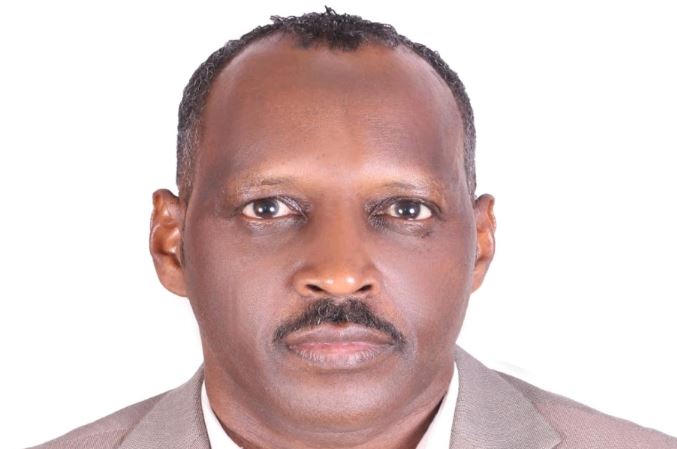
Victor Bwire is the Director, Media Training and Development at the Media Council of Kenya





Comments 0
Sign in to join the conversation
Sign In Create AccountNo comments yet. Be the first to share your thoughts!