BY VERA BWIRE
We should prepare young
people for the complexities of society. Unfortunately, our school system
prepares them either to be submissive or rebellious and nothing in between.
Africa’s Agenda 2063 stresses the pursuit of a people-centred continent, where all citizens of the African continent will be actively involved in decision-making in all aspects, and this includes the institutions where young people are shaped. Including, primary, secondary and tertiary institutions.
Democracy, commonly only used in political participation and elections, is a general term that revolves around a process through which, through deliberations, people come to a common binding decision.
Students who experience aspects of democracy in their schools eventually have more faith in the public democratic institutions and end up making sober decisions, and the opposite is true.
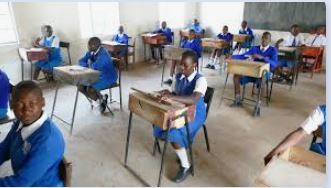
Most of our learning institutions, from a democratic point of view, are run in semi-dictatorial environments. Authority rules, no objection allowed. Academic work thrives in the freedom to think, but dictatorship spoils everything. Dictatorship in schools stifles creativity, suppresses student voices and fosters fear over growth.
How, then, can we teach democracy to young students? Schools should establish environments where teachers and school management occasionally provide an hour or two for deliberation.
Here, students can air their views on matters affecting them and what they would appreciate changed; for instance, having participatory rule-making.
This is pegged on the notion that if you let people work together from a young age, it will reduce their aversion to many aspects that affect them in school. This will eventually reduce conflict and rebellious students over time. After all, conflict, even among similar people, is never that far away.
Freedom of speech without fear of intimidation or victimisation eventually leads to confident public speakers, who can speak in spaces where people accept or decline their views. This, in essence, is deliberative and participatory democracy in practice.
If schools change thanks to students’ views, they will be more trusted. Eventually, as the students approach the age of majority (18), they will also trust the democratic institutions that govern them more.
This later leads to increased quality public participation, where the now grown young citizens can deliberate and believe that the majority decision is a good decision.
Young children who go to institutions that can practice this also gain an increase in their democracy skills in the public and civic skills, which they could eventually use in their careers later in life. These skills also have the potential to create better leaders in companies and institutions in the country.
According to the World Bank, a significant youth population in Kenya is literate enough. For instance, the literacy levels among the youth in Kenya aged 15 to 24 is growing.
According to the last statistics in 2022 by the World Bank, 89 per cent of this demography in Kenya is educated, with 88 per cent of young males educated and 90 per cent of young females educated.
This group can engage in democratic processes and decisions in their own backdrop, meaning in the same institutions that have made them this literate.
It is time for our policymakers in the education sector and school heads themselves to consider having more democratically inclusive school environments. They should eliminate dictatorial environments, which eventually lead to burnout, stress, unnecessary submissiveness and rebellion.