Antimicrobial resistance (AMR) is a global crisis that poses a significant threat to human, animal and plant health.
According to the World Health Organisation (WHO) approximately 5 million deaths are associated with bacterial AMR every year.
Antimicrobial resistance occurs when bacteria, viruses, fungi and parasites no longer respond to antibiotics. This makes infections become difficult or impossible to treat, increasing the risk of disease spread, severe illness, disability and death.
Programme Officer AMR Jeniffer Njuhigu said several factors can accelerate the emergence and spread of Antimicrobial resistance with the overuse and misuse of antibiotics in humans, animals and plants being a key driver.
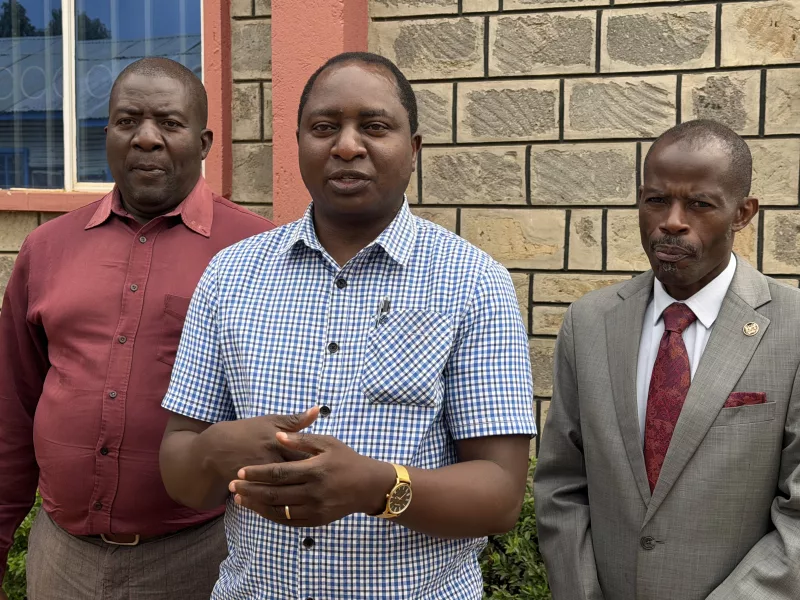
Speaking at a media engagement forum on AMR in Kajiado County Wednesday, Njuhigu said unnecessary use of antibiotics, sharing of antibiotics, incomplete courses of treatment and using antibiotics to treat viral infections can contribute to antimicrobial resistance.
“Antibiotic resistance occurs when bacteria fail to respond to antibiotics that are used to effectively treat them. Misuse and overuse of antimicrobial medicines is a key driver of this,” she said.
The officer said the use of antibiotics in livestock to promote growth and prevent disease can lead to resistant strains that can be transmitted to humans.
She said another driver of AMR is poor sanitation and hygiene which facilitate the spread of resistant microorganisms.
“The increased movement of people and goods from one place to another also allows resistant organisms to spread more easily across borders,” she said.
Njuhigu said AMR is dangerous due to the high risk of mortality and long-term effects on humans.
She said it results in recurrent infections, severe medication side effects, treatment failures, extended hospital stays and high cost of treatment.
“Despite the high prevalence of Antimicrobial Resistance, there is limited awareness and understanding of the consequences among the public,” she said.
Njuhigu emphasised the need to create public awareness of the risks of AMR to save lives.