
The National Infrastructure Fund (NIF) is seeking partnerships with pension schemes to mobilise long-term domestic savings for investment in commercially viable infrastructure projects.
The move is aimed at reducing reliance on public borrowing and expanding investment opportunities for institutional investors.
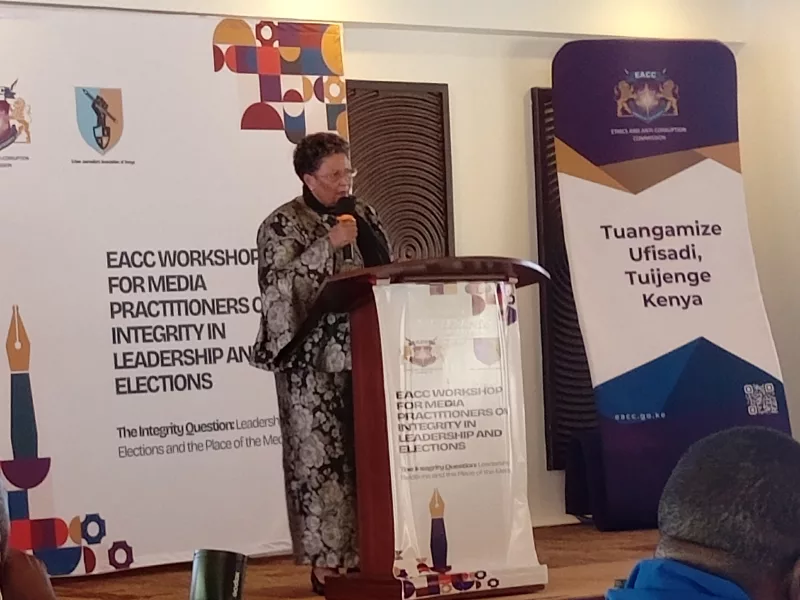
Presenting the fund’s investment approach at the Second PSSF Pan-African
Pensions Conference in Mombasa, NIF independent director Fahima Zein, said domestic pension funds would be important partners in financing infrastructure development.
Established under the National Infrastructure Fund Act, No 4 of 2026, the fund has been capitalised with Sh340 billion raised through the sale of 65 per cent of the
Government’s holding in Kenya Pipeline Company and 15 per cent of its stake in
Safaricom.
“NIF is designed to invest in projects rather than construct or operate them,” Zein explained.
Its mandate includes mobilising private capital, including domestic pension funds and collective investment schemes, to support infrastructure development while easing pressure on public finances.
Zein said Kenya requires an estimated USD12 billion (Sh1.5 trillion) annually in infrastructure investment up to 2040, while constrained public finances limit the government’s capacity to meet the funding gap through the national budget alone.
Under the proposed partnership model, pension schemes could invest alongside NIF at two stages; when a project reaches financial close, after its financial model and risks have been substantially assessed, or later, when infrastructure has been completed and is generating predictable income.
The second option, involving mature and operational assets, is expected to be particularly suitable for pension schemes seeking long-term investments with relatively lower project risk and predictable cash flows.
The Fund also intends to sell its interests in completed and operational projects, allowing it to recover capital and reinvest in new infrastructure.
According to Zein, pension schemes could participate by acquiring these assets through investment instruments such as infrastructure vehicles, asset-backed securities, listed or unlisted instruments and direct ownership.
These are proposed investment routes, not products currently available in the market.
Zein said the opportunity was significant given the size of Kenya’s pension industry, which held assets worth Sh3.17 trillion as at June 2026.
She observed that although existing investment regulations allow pension schemes to allocate funds to infrastructure, uptake remains limited, partly because of concerns around project pipelines, pricing transparency and governance.
NIF plans to engage pension schemes, trustees, fund managers and the Kenya
Pension Funds Investment Consortium (KEPFIC) on the design of investment products that respond to the industry’s needs, including risk appetite, returns, investment duration and liquidity requirements.
The Fund emphasised that it was not seeking immediate investment commitments but wanted to initiate structured engagement with the industry, including through quarterly consultations.
The proposed collaboration offers an opportunity to connect Kenya’s substantial pool of long-term retirement savings with infrastructure investments that can generate sustainable returns while supporting national development.