Two Kenyan businesses involved in sustainable agriculture and natural resource exports have been selected for a pan-African programme seeking to help nature-based enterprises raise about $10 million (Sh1.29 billion) in investment.
Acacia EPZ, an exporter of gum arabic, and ForestFoods, an agroforestry business, are among five enterprises selected for the 12-month Nature-First Innovation Lab (NFIL), which will provide funding and business support to help them attract investors.
The programme is run by FSD Africa in partnership with Systemiq and the African Natural Capital Alliance, with financial backing from UK International Development and the Norwegian Agency for Development Cooperation.
The initiative targets businesses whose earnings depend on protecting or restoring forests, soils and other natural resources but struggle to secure commercial financing.
The five enterprises have a combined fundraising target of about $10 million (Sh1.29 billion), although the amount each business expects to raise was not disclosed.
Acacia EPZ, founded in 2015 by Sam Ombogo Nyamboga, exports gum arabic, a natural ingredient used in soft drinks, confectionery and medicines.
The company sources the product from collectors, more than 70 percent of whom are women, whose livelihoods depend on healthy acacia woodlands.
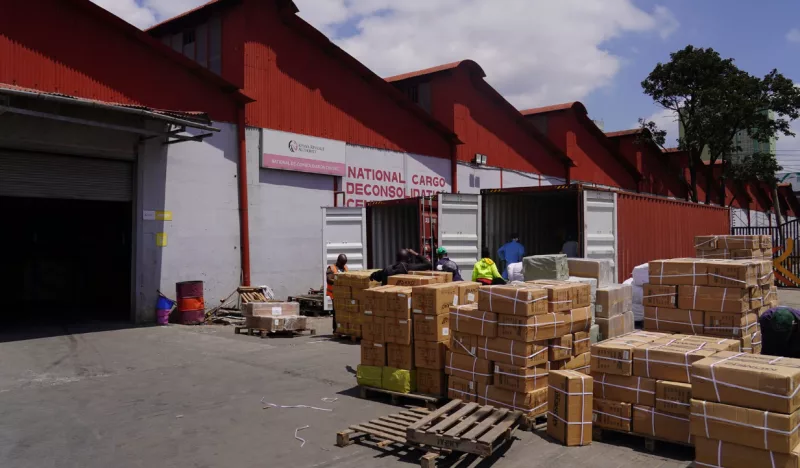
The business is positioning itself as an alternative supplier as conflict in Sudan disrupts supplies from one of the world's major gum arabic-producing countries.
Acacia EPZ's revenues have grown by 56 percent over the past two years, according to the programme organisers.
Nyamboga said the business was seeking to expand a supply chain that supports local incomes while maintaining the woodlands on which production depends.
“Keeping Kenya's acacia woodlands standing and building genuine incomes for the families who harvest from them are the same task, not competing ones,” he said.
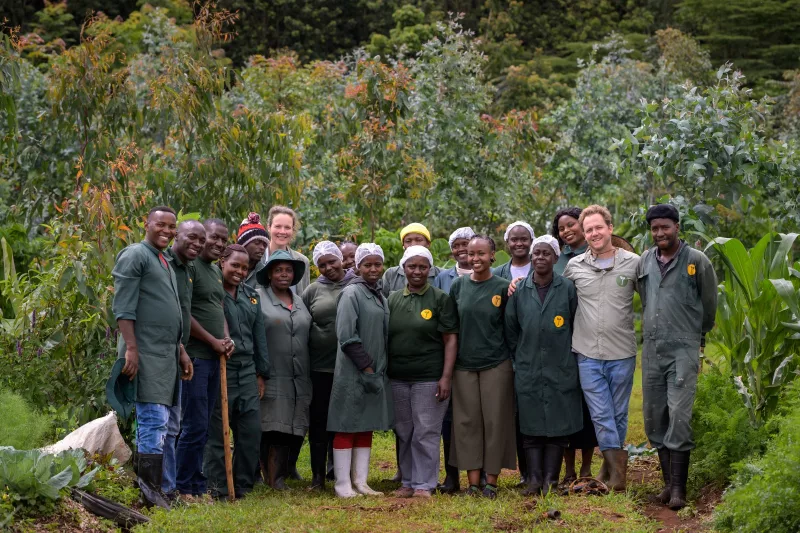
ForestFoods, meanwhile, uses syntropic agroforestry, a farming method that combines trees, crops and livestock to restore soil health while producing food and generating income.
The company operates farms around Limuru, Naivasha and Naro Moru and is developing a new site at Shimba Hills.
Its selection comes as the business seeks investment and partnerships to expand its farming operations, processing capacity, training and market access.
Co-founder and chief executive Sven Verwiel said the programme would help strengthen its business model as it expands.
The other companies selected are Forested, which works with smallholder farmers in Ethiopia, Kenya and Uganda to supply regenerative honey, beeswax, shea butter and oils; Tanzania's NovFeed, which converts organic waste into fish feed and fertiliser; and Ghana's Savanna Agri Chains, which sources shea butter and baobab from more than 1,000 women harvesters across 22 districts.
The accelerator will provide grants and technical assistance covering financial planning, corporate governance and the measurement of environmental impact. It will also connect the businesses with potential investors.
The programme does not take equity in the participating companies. Instead, it aims to address weaknesses that can prevent established businesses from attracting commercial funding.
Dorothy Maseke, head of the African Natural Capital Alliance Secretariat and lead for nature finance and the Taskforce on Nature-related Financial Disclosures at FSD Africa, said some businesses struggle to attract investors despite having viable products and generating revenue.
“A growing number of African enterprises reach technical feasibility and then stall because revenues aren't sufficiently anchored, governance is not investment-grade, and documentation is incomplete,” she said.
She said the programme was designed to bridge the gap between funding available through grants and philanthropy and the requirements of commercial investors.
The initiative comes as businesses linked to natural resources face pressure to demonstrate that their operations can generate returns while maintaining the ecosystems on which their supply chains depend.
Research by FSD Africa and McKinsey Sustainability estimates that 62 percent of Africa's gross domestic product depends on nature, exposing businesses and economies to risks arising from environmental degradation.
A separate 2025 estimate by Boston Consulting Group put the commercial investment opportunity in regenerating the world's 30 most valuable landscapes at $310 billion.