A century-old shopping street in the Chinese coastal city of Xiamen recently became an unlikely meeting point for fashion, cultural heritage and the business of attracting global audiences.
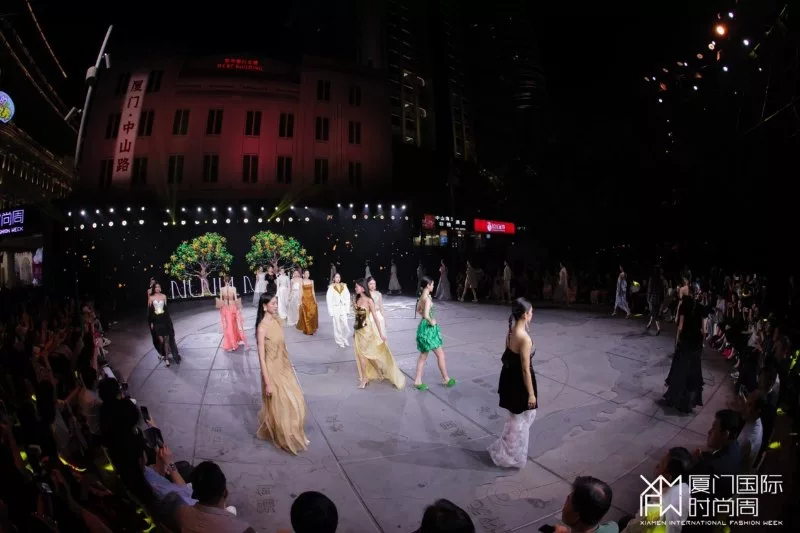
Models walked past historic arcades as designers showcased contemporary interpretations of Chinese craftsmanship, wedding attire and international fashion trends.
But beyond the catwalk at the 2026 Xiamen International Fashion Week, the event offered a glimpse into how cities can use fashion to connect cultures, support emerging designers and turn creative expression into economic opportunity.
The October 16 to 19 event transformed sections of Zhongshan Road, a historic commercial street, into an open-air fashion festival that brought runway shows, music, sports activities and shopping experiences into everyday urban life.
The approach sent the signal of the shift in the fashion industry, where cultural identity, tourism and consumer experiences increasingly intersect with the work of designing and selling clothes.
Eight runway shows featured 16 brands, including international names such as AVIA, ISSEY MIYAKE and CALVIN KLEIN.
Eleven participating labels were homegrown, highlighting efforts to position local designers alongside established international names.
The mix provided a platform for Chinese creativity to engage with global fashion influences while giving local brands greater visibility.
One of the featured designers, Zhang En, presented Time and Light under his NUNUNONO label, combining traditional craftsmanship and intangible cultural heritage with technological elements.
The collection illustrated how heritage can serve as a resource for contemporary design rather than remain confined to museums or ceremonial occasions.
This question of how cultural traditions can find new expression in modern fashion also resonates beyond China.
In Kenya, recent fashion and cultural exchanges with Chinese partners have explored similar connections between heritage and contemporary creativity.
A University of Nairobi showcase, Moonlit Glamour—Threads of Connection, brought African and Chinese designs together, presenting traditional and modern influences as a meeting point between the two societies.
A separate exhibition at the Nairobi National Museum explored Chinese and African fashion traditions alongside opportunities for skills development, women's entrepreneurship and cooperation in the creative economy.
Together, such exchanges point to a potential avenue for Kenya-China relations beyond conventional trade and infrastructure, that is, collaboration through design, cultural industries and the people who create them.
Xiamen's fashion week offered yet another perspective on how such creative connections can be developed into platforms with wider commercial and tourism appeal.
CATWALK TO MARKETPLACE
Organisers placed particular emphasis on taking fashion beyond the runway and making it accessible to residents and visitors.
More than 100 brands gathered along the western section of Zhongshan Road, bringing together clothing, specialty coffee, cultural products and other lifestyle offerings.
The programme attracted crowds to the historic street, demonstrating how cultural events can create new experiences around existing urban spaces.
The model also sought to translate public interest into spending.
Xiamen linked the fashion week to five major commercial districts and 76 participating businesses, distributing 60,000 shopping vouchers without a minimum-spending requirement.
An accompanying At Ease in Xiamen fashion and lifestyle map was designed to help visitors discover participating businesses and explore the city's retail, cultural and tourism offerings.
The approach, commonly described as event-ticket-driven consumption, seeks to extend the economic benefits of a major event beyond its immediate venue by encouraging visitors to spend at businesses across the city.
Cities seeking to strengthen tourism and their creative industries stand to draw visitors to historic neighbourhoods and create opportunities for businesses besides promoting their unique heritages.
Xiamen also used the strategy to promote its wedding and romance-related tourism market.
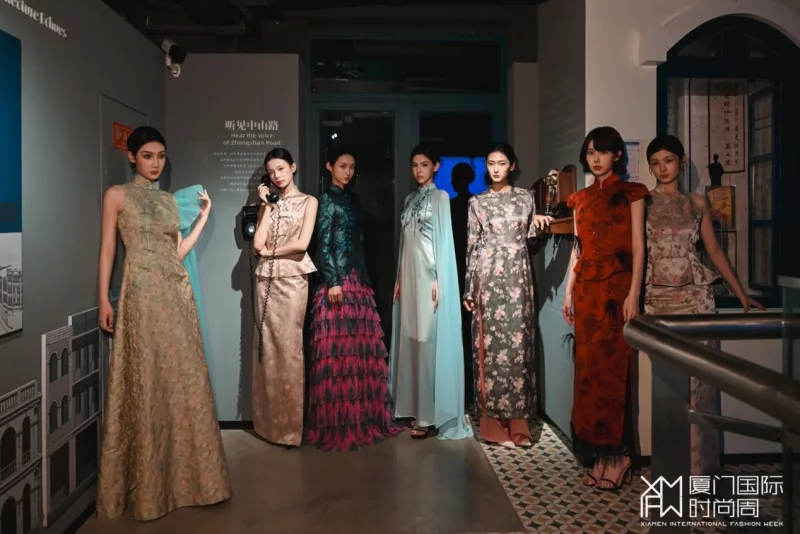
A dedicated themed showcase featured Western and Chinese wedding attire, including modern formalwear incorporating traditional Chinese design and elements inspired by the city's arcade architecture.
The collections connected fashion with destination weddings and the wider market for travel, celebrations and lifestyle experiences.
The international fashion week, launched in 2015, has focused on original design and connections between emerging designers and the marketplace.
Through the event and Rushi, a service platform supporting original designers, Xiamen has sought to help young creatives move from developing ideas to building market-ready products and established brands.
That ambition addresses a challenge shared by creative industries worldwide, which they list to include, transforming artistic talent into sustainable businesses.