The Kenya Tourism Board (KTB) is targeting 5.6 million domestic tourism bed nights by 2027, with a new campaign seeking to turn interest in local destinations into actual bookings and expand travel beyond the country's popular tourist circuits.
The Hapa Ni Wapi Sales Conversion Campaign brings together tour operators, county governments and tourism stakeholders to develop affordable, ready-to-book travel packages for destinations across Kenya, starting with the Northern Kenya circuit.
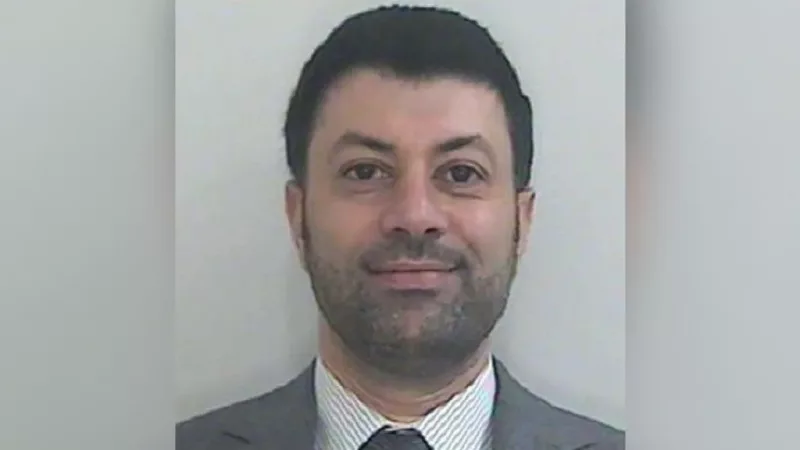
KTB CEO June Chepkemei said the initiative marked a shift from creating awareness about destinations to generating measurable growth in bookings and overnight stays.
“This campaign marks a shift in how we approach domestic tourism marketing. Rather than simply raising awareness, we are building direct pathways from interest to booking, working closely with trade partners to package our regions affordably and deliver steady, measurable growth in bed nights nationwide,” Chepkemei said.
The campaign was launched in Samburu, with the Chalbi Desert and the wider Northern Kenya circuit selected as the first destination to be promoted under the initiative.
The region will be marketed for its landscapes, cultural diversity and less-explored attractions, as KTB seeks to encourage Kenyans to discover destinations beyond the familiar coastal resorts and savannah parks.
Chepkemei said the board was seeking to increase domestic bed nights from 5.15 million recorded in the 2025/26 financial year to 5.6 million in the current financial year.
“Our target is to grow bed nights from the 5.15 million recorded in the 2025/26 financial year to 5.6 million this year, and we intend to achieve this through a series of regional activations, starting here in the north before we move to other underexplored circuits later in the year,” she said.
The campaign will subsequently extend to other destinations, including Mambrui-Malindi and Western Kenya, before being rolled out to additional regions.
More than 50 tour operators drawn from the Tour Operators Society of Kenya (TOSK) and the Kenya Association of Tour Operators (KATO) are participating in the inaugural activation.
The board hopes the initiative will help address barriers that have limited domestic travel, including the cost of holiday packages and difficulties accessing lesser-known destinations.
Chepkemei said improved infrastructure across Northern Kenya would help make destinations that were previously considered difficult to reach more accessible to ordinary travellers.
Better road access, combined with coordinated marketing and affordable packages, is expected to encourage more Kenyans to explore the region throughout the year.
TOSK chairperson Raymond Cheruiyot welcomed the initiative, saying it provided tour operators with a practical framework for tapping into the domestic market.
“Our members have long known that Kenyans want to travel locally, but pricing and access have often stood in the way. This campaign gives us a clear structure to package the north affordably and sell it directly, and we are ready to deliver on that promise,” Cheruiyot said.
KTB said the campaign would also seek to spread visitor numbers more evenly throughout the year, particularly during traditionally quiet travel periods.
The initiative comes amid continued growth in Kenya's domestic tourism market, with the board seeking to sustain the trend by expanding the range of destinations available to local travellers.
KTB, established under the Tourism Act, 2011, is mandated to develop, implement and coordinate the national tourism marketing strategy.
Its Magical Kenya brand promotes the country as a diverse destination for domestic, regional and international visitors.