Spouse of the Deputy President Joyce Kithure has called for stronger measures to prevent lead poisoning, particularly among children.
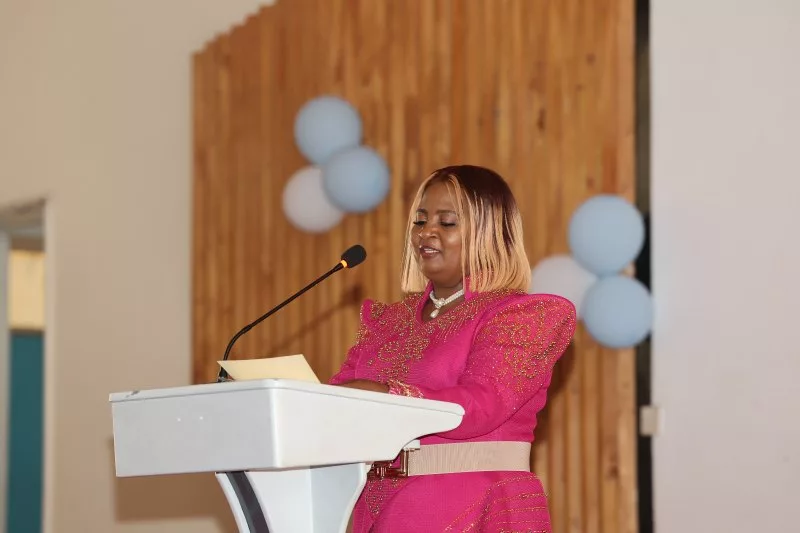
Speaking at the University of Nairobi’s Chiromo Campus during the opening of the 14th International Lead Poisoning Prevention Week of Action, Kithure urged government agencies, researchers and industries to translate scientific evidence into practical interventions to protect public health.
She said lead exposure remained a serious public health concern and called for coordinated action through scientific research, public awareness and enforcement of environmental safety regulations.
Kithure said efforts to address lead poisoning should go beyond identifying contaminated environments to preventing people from coming into contact with the toxic metal.
She urged government agencies, communities and other stakeholders to work together to develop and implement measures to reduce exposure.
The event was held under the theme “From Detection to Prevention” and brought together government representatives, scientists, researchers and environmental health stakeholders to strengthen efforts to prevent lead poisoning.
Kithure said stronger partnerships and public education were necessary to help communities understand the dangers of lead exposure and how to protect themselves.
She called for effective enforcement of environmental safety regulations, noting the importance of turning scientific findings into practical measures to reduce preventable exposure.
Lead exposure can affect several body systems, with children particularly vulnerable to its harmful effects. Exposure can occur through contaminated dust, soil, paint and other sources, depending on the environment.
Children are especially at risk because their developing bodies are more susceptible to lead’s effects, which can impair brain development and learning.
The prevention week provides a platform for stakeholders to raise awareness of lead exposure, share scientific knowledge and promote measures to reduce contamination in homes, workplaces and communities.
Kithure urged stakeholders to strengthen collaboration between scientific institutions, government agencies, industries and the public to ensure research informs environmental health policies and prevention programmes.
She said public awareness should complement regulatory enforcement, with communities receiving information on potential sources of lead exposure and ways to reduce the risks.
The initiative also seeks to encourage preventive interventions rather than relying solely on testing and identifying contamination after exposure has occurred.
Kithure called for sustained efforts to safeguard children and promote healthier communities, urging stakeholders to make lead poisoning prevention a shared responsibility.