A Nairobi-based climate and energy think tank has championed the adoption of renewable energy in the wake of a new United Nations report warning the world is heading towards a dangerous climate future.
The warming, according to the United Nations Environment Programme’s (Unep) Emissions Gap Report 2026, is putting African communities at greater risk.
The report says there is an urgent need to cut emissions and increase funding for climate protection.
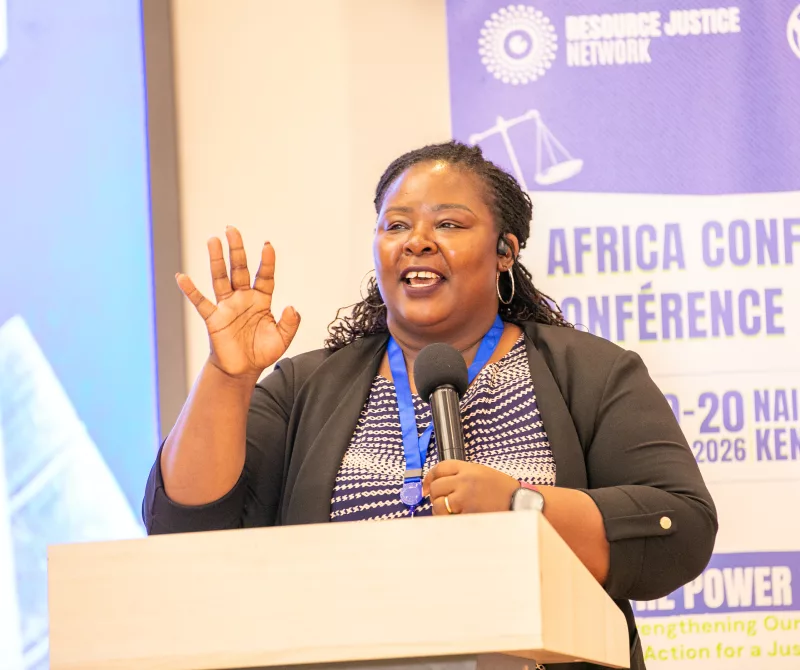
Power Shift Africa director Mohamed Adow says African governments must accelerate the transition to renewable energy to strengthen their economies and help limit dangerous warming.
“Africa’s low contribution to global emissions is no reason to sit out the clean energy transition. Our governments should be pursuing renewable energy because it can deliver the electricity, jobs and economic opportunities our people need, while helping prevent further warming,” Adow said.
“The choice is about what kind of development we build. African countries can expand energy access and grow their economies through clean power, rather than deepen dependence on fuels whose prices and supply we cannot control. We should seize that opportunity.”
Adow said announcing renewable energy targets was not enough, challenging governments to invest in electricity grids, remove unnecessary barriers to projects and create conditions for affordable capital to flow.
“Success should be measured in reliable electricity reaching homes and businesses, and in new opportunities for African workers and entrepreneurs,"he said.
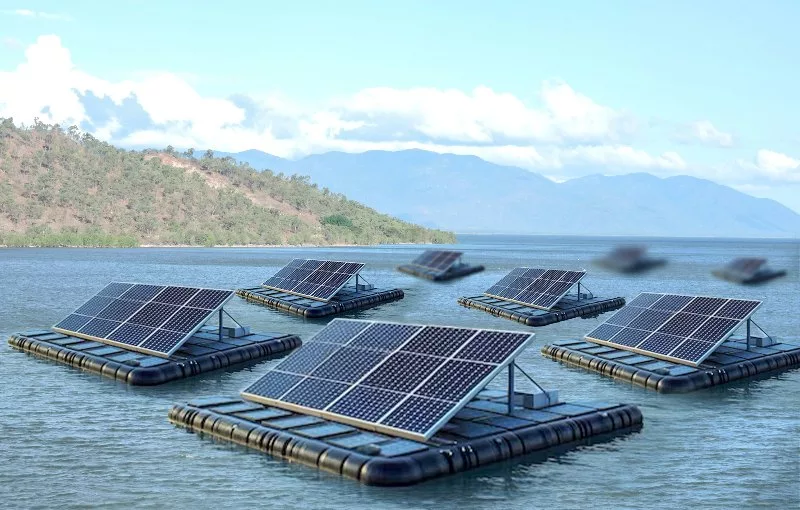
"Our ambition should go beyond installing solar panels and wind turbines. Clean electricity can power African factories, support agricultural processing and help businesses grow. We need policies that connect the energy transition to a wider strategy for jobs and industrial development.”
The organisation said access to affordable finance remained essential.
African governments should strengthen investment conditions while pressing for international financial reforms that lower the cost of capital and support national development priorities.
Adow said finance was a real barrier, but African governments also had decisions within their control.
“They can prioritise clean energy in national plans, improve procurement and regulation, and direct public investment towards the infrastructure that makes renewable power useful.”
“This report is a warning about the costs of delay, but it also shows that progress is possible. Africa should help shape the clean energy economy and secure its benefits for our people. Waiting while others build the industries of the future would be a costly mistake.”
The Emissions Gap Report 2026 finds that decades of insufficient action have made it unavoidable that the world will exceed the Paris Agreement’s 1.5°C warming threshold by more than a small, temporary amount.
However, Unep, which is headquartered in Nairobi, Kenya, also highlights the rapid growth of renewable energy and evidence that government policies can successfully reduce emissions.
Decisions taken now can still limit how high temperatures rise and establish a pathway back to 1.5°C by the end of the century.
Power Shift Africa said African countries should use the findings to accelerate clean energy development, expand electricity access and build competitive economies while avoiding investments that deepen dependence on fossil fuels.
The report compares the emissions expected under governments’ policies and pledges with the reductions needed to meet global temperature goals.
Its key findings indicate that current policies point towards approximately 2.8°C of warming by 2100, with temperatures continuing to rise thereafter.
Full delivery of national climate pledges, followed by similar efforts, would limit warming to approximately 2.6°C.
The report finds that existing climate pledges remain inadequate.
They would reduce global greenhouse gas emissions by 11–15 per cent by 2035 compared with 2025. The report’s lowest achievable overshoot pathway requires a 45 per cent reduction over that period.
The report also shows that renewable energy has outperformed expectations.
Since the Paris Agreement, global renewable electricity capacity has grown three times faster than anticipated in 2015 policy projections, with solar deployment growing seven times faster.
The report indicates the global renewable energy goal remains achievable.
Continuing recent deployment trends, supported by additional policies, could put the world on track to triple renewable energy capacity by 2030.
The report finds that clean energy growth must be accompanied by a transition away from fossil fuels.
Global supplies of coal, oil and gas continue to rise, and progress in reducing emissions remains insufficient.
Power Shift Africa called on African governments to translate their renewable energy ambitions into practical investment plans, backed by clear policies and stronger public institutions.
Priorities include modernising electricity grids, expanding connections, supporting distributed renewable energy and storage, and making it easier to develop clean energy projects.
Governments should also invest in skills and local businesses so that more of the jobs and economic value created by the transition remain in Africa.