Africa needs nearly US$70 billion (Sh9 trillion) annually to adapt to climate change, but receives only a fraction of that amount, with a new report warning that inadequate funding, debt and exclusion of local communities are undermining efforts to protect people from climate impacts.
The report, A Just Transition for Adaptation: A Framework and Vision for Africa, released by Power Shift Africa and launched in Mombasa on October 1, 2026, calls for climate adaptation to be rooted in justice, debt relief and locally led action.
It argues that Africa’s vulnerability has been shaped by centuries of colonial extraction, unequal trade, debt dependency and the exclusion of African communities and governments from decisions on climate finance and adaptation.
The report says floods, droughts and heatwaves should not be treated simply as unavoidable climate losses, but as the consequences of adaptation that has been promised, delayed and inadequately financed.
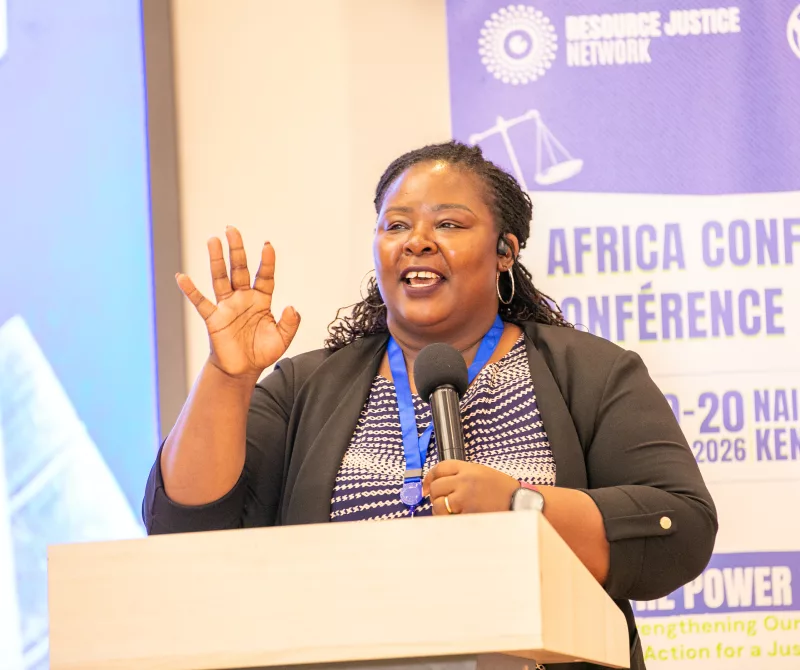
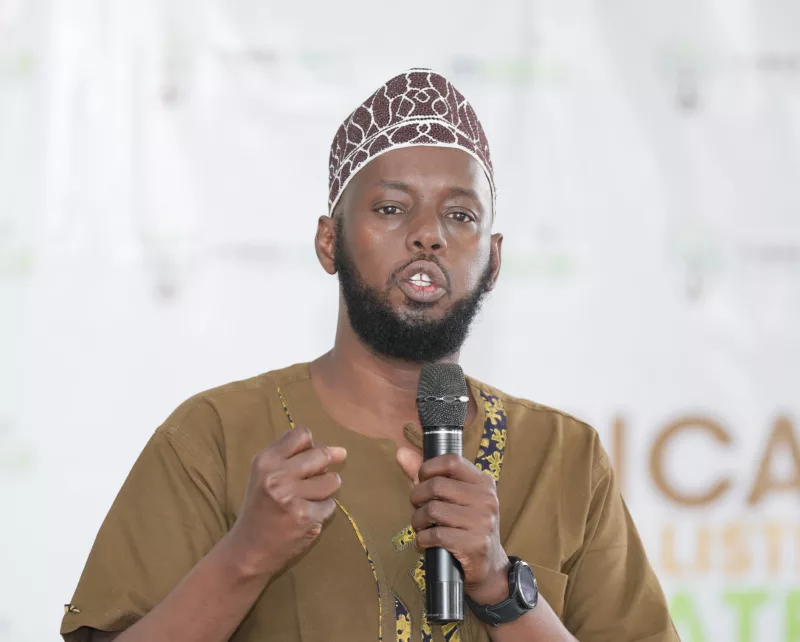
Power Shift Africa founder and director Mohamed Adow said the impacts experienced by communities reflected failures to deliver promised protection.
“What our communities are living through is not simply loss and damage, but failed adaptation. The world has failed on the 1.5°C goal, and the protection that was promised in its place never arrived. Now we are staring at impacts that test whether people can go on living in the places they call home,” he said.
He argued that Africa’s vulnerability resulted from human decisions and could therefore be addressed through different policy choices.
“The question before us is: What kind of humanity do we want to be? One that repairs the harm it has caused or one that walls itself off and leaves others to drown?”
The report estimates that Africa’s annual adaptation needs are approaching US$70 billion, while international adaptation finance flows amounted to about US$14 billion annually in 2021 and 2022.
This leaves a substantial gap between the resources needed to help African countries prepare for climate impacts and the funding available to support those efforts.
The report also notes that international public adaptation finance to developing countries fell from US$28 billion in 2022 to US$26 billion in 2023, even as estimated global adaptation needs are projected to reach between US$310 billion and US$365 billion annually by 2035.
It argues that the financing shortfall is compounded by the form in which support is provided, with loans rather than grants contributing to debt pressures in countries already struggling to finance essential services.
Debt deepens the adaptation challenge
According to the report, loans account for about 57 per cent of adaptation finance flows to Africa. It also cites estimates showing that developing countries received US$62 billion in climate finance in 2022 that incurred repayments of up to US$88 billion.
The report warns that this financing model risks creating an adaptation investment trap, in which countries facing worsening climate impacts must borrow to respond, further increasing their financial obligations.
It estimates that Africa carries approximately US$746 billion in debt, with average interest rates of about 9.8 per cent, compared with 2.5 per cent in the United States.
Nearly 60 per cent of Africans live in countries that spend more on debt servicing than on health and education, according to the report.
The publication argues that debt cancellation and relief should be recognised as adaptation measures because debt obligations can constrain governments’ ability to protect their populations from climate impacts.
It calls for adaptation finance to be predictable, accessible and grant-based, alongside a clear global target and baseline for measuring progress.
According to the report, international adaptation support is an obligation under the Paris Agreement rather than an act of charity, arguing that the need for support grows as global warming increases.
Beyond the funding gap, the report questions who decides which adaptation projects are prioritised and how their success is measured.
It advocates locally led adaptation, under which communities have meaningful control over decisions, resources and the assessment of results.
The report says local people, institutions and knowledge systems should help define adaptation priorities and guide implementation, rather than being treated merely as recipients of projects designed elsewhere.
It also warns that Indigenous and local knowledge remains systematically excluded from adaptation science and policymaking, despite providing detailed understanding of local climate risks and responses.
The publication calls for free, prior and informed consent to be central to adaptation decisions, giving affected communities meaningful power over projects that shape their futures.
It cautions, however, that local initiatives can also reproduce inequalities if influential individuals capture resources or marginalised groups are excluded from decision-making.
The report calls for transparent and accountable governance that recognises differences within communities and addresses existing power imbalances.
A shift towards climate justice
The report organises its proposed approach around four dimensions of justice: recognitional, procedural, distributive and restorative.
These focus on whose knowledge and experiences are recognised, who participates in decisions, how resources and benefits are distributed, and how past and continuing harms are addressed.
It calls on African governments, regional institutions, climate negotiators and international partners to strengthen adaptation financing, support locally led governance and recognise Indigenous knowledge alongside scientific expertise.
Pan African Coalition on Adaptation and Resilience (PACAR) Southern Africa Coordinator Ndivile Gugushe said communities have been adapting for generations with knowledge the system still refuses to count.
“No community adapts alone. Real resilience looks like the school that becomes a shelter, the clinic that stays open, the early warning that reaches the herder in time,” she said.
The publication comes ahead of the next phase of international climate negotiations, including COP31 in Antalya, Türkiye, in November 2026, and COP32 in Addis Ababa, Ethiopia, in 2027.
The report argues that closing the adaptation financing gap requires more than increasing funding. It calls for a shift in how adaptation is planned, financed and governed, with greater emphasis on debt relief, community participation and addressing the structural causes of vulnerability.