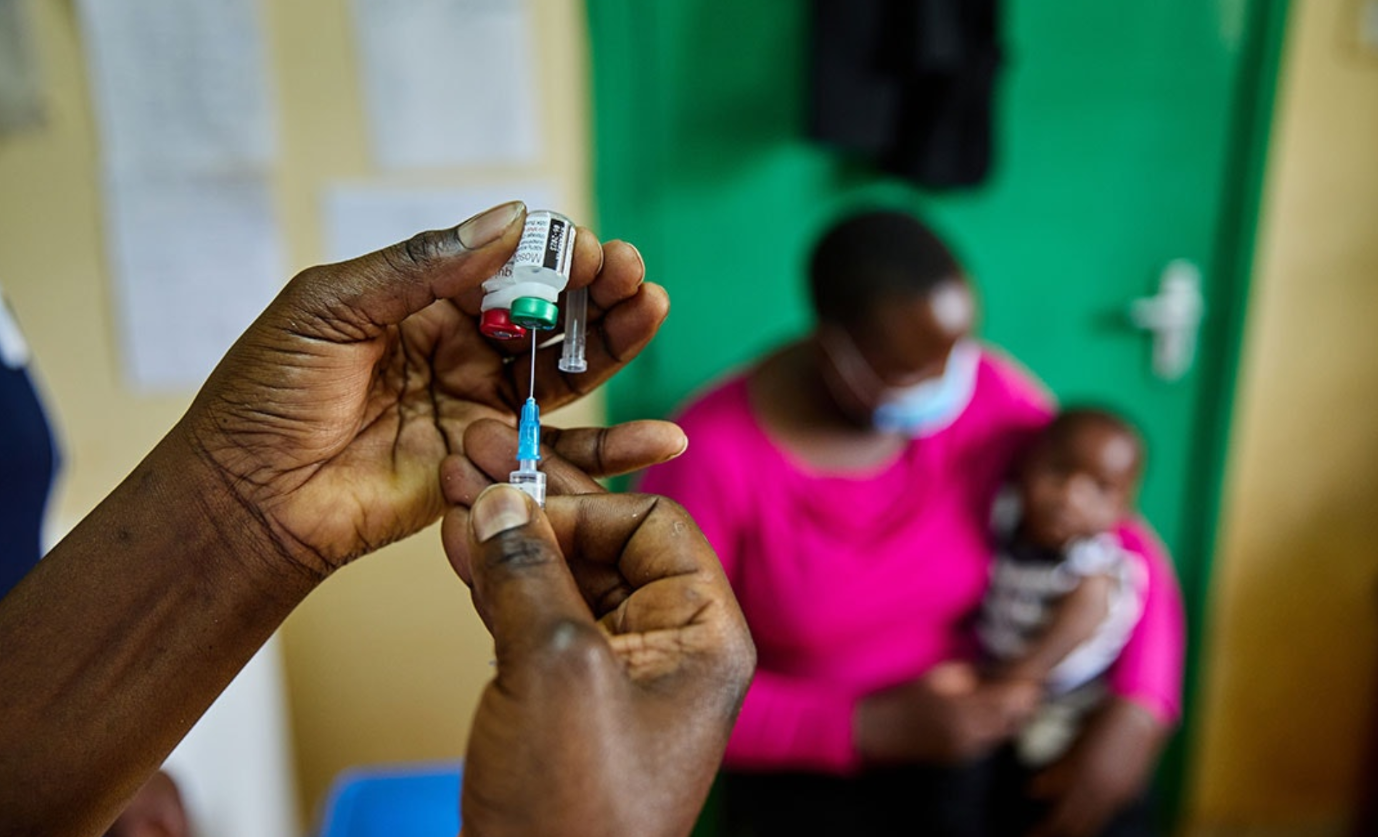
A 40 per cent cut in the price of the RTS,S malaria vaccine is expected to save global childhood immunisation programmes millions of dollars.
However, the direct benefit to Kenya remains unclear after the country began switching to a cheaper alternative.
The price will fall from €9.30 (Sh1,354) to €5.50 (about Sh800) per dose, with the new rate expected to take effect by early 2027, subject to regulatory and production requirements, including World Health Organisation (WHO) prequalification of a new manufacturing facility in India.
A joint statement issued on Thursday by Gavi and Unicef said the agreement would save about $50 million between 2027 and 2029, potentially funding a full four-dose vaccination course for up to one million additional children or supporting other childhood immunisation programmes.
The agreement follows the transfer of RTS,S production from British pharmaceutical company GSK to Indian manufacturer Bharat Biotech.
“This agreement is an important step towards protecting more children from malaria by expanding access to life-saving vaccines where they are needed most,” said Leila Pakkala, director of Unicef Supply Division.
Gavi chief vaccine programmes and markets officer An Vermeersch said the deal demonstrated how financing, technical expertise and strategic partnerships could improve access to vaccines.
For Kenya, however, the savings will depend on its procurement arrangements and the vaccine it uses.
Kenya introduced RTS,S in September 2019 in areas with high malaria transmission, initially targeting about 120,000 children annually across eight counties in western Kenya.
By 2023, more than 650,000 children had received at least one dose, with over 1.8 million doses administered, according to the WHO Kenya annual report.
In 2025, the country expanded the programme to 12 additional subcounties and began transitioning to R21/Matrix-M, the second malaria vaccine recommended by WHO and the cheaper option to procure.
The shift complicates the implications of the RTS,S price reduction. While a lower price could benefit programmes continuing to purchase that vaccine, the extent of any savings for Kenya will depend on its supply arrangements and future procurement decisions.
WHO says countries receiving Gavi support, including Kenya, pay as little as $0.20 (about Sh26) per dose for either vaccine under co-financing arrangements. This is the amount governments pay under those arrangements, not the price procurement agencies pay manufacturers.
The €5.50 price therefore does not mean Kenyan parents or the government will automatically pay that amount for each dose. Nor does the manufacturer's price reduction translate directly into an equivalent reduction in the cost of vaccinating a child.
A 2019 study examining the cost of introducing RTS,S in Kenya and four other African countries estimated that fully vaccinating one child in Kenya would cost $37, based on an assumed vaccine price of $5 per dose.
The estimate included delivery of all four doses and other programme expenses. The researchers found that recurrent costs were largely driven by vaccines, including wastage, and supply costs.
Health worker time, transport, storage and the logistics of delivering all four doses also contribute to the overall bill. Consequently, lower procurement prices may ease pressure on immunisation budgets without reducing total programme costs by the same proportion.
The wider public health stakes remain substantial. WHO estimates that malaria caused 282 million cases and 610,000 deaths worldwide in 2024, with Africa accounting for about 95 per cent of deaths.
Children under five accounted for approximately 74 per cent of global malaria deaths.
The RTS,S price agreement could free up resources for protecting more children globally. For Kenya, however, the scale of any benefit will depend on the cost and availability of the vaccines it procures, alongside the resources required to deliver them.
The critical measure will be whether lower vaccine prices translate into wider and more sustainable protection for children at risk of malaria.
INSTANT ANALYSIS
The 40 per cent cut in the RTS,S malaria vaccine price offers hope of expanding childhood protection globally, but Kenya’s gains remain uncertain following its shift to R21. The development highlights the distinction between lower manufacturer prices and the actual cost of immunisation. Even where procurement becomes cheaper, delivery expenses remain significant. Kenya’s priority should be ensuring that vaccine financing and supply arrangements translate into wider coverage for children most at risk.