Mombasa could earn billions of shillings from sports tourism, but inadequate investment in sporting facilities and talent development is holding the coastal city back, Business Registration Service chairman Hamisi Mwaguya has said.
He said sports could help revive the county’s economy, create jobs and offer young people alternatives to crime and drug abuse if leaders invested in facilities and improved management.
“Mombasa, as a city, needs a wake-up. It needs some rebuilding. The county is shrinking economically because of the reduced opportunities. Sports, which people love, can be a trigger for a rebuild,” Mwaguya, who is eyeing the Mombasa Senate seat, said.
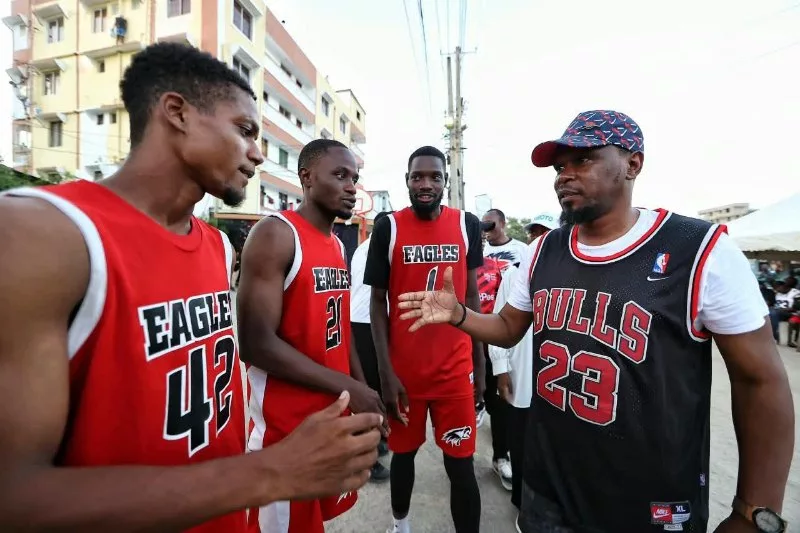
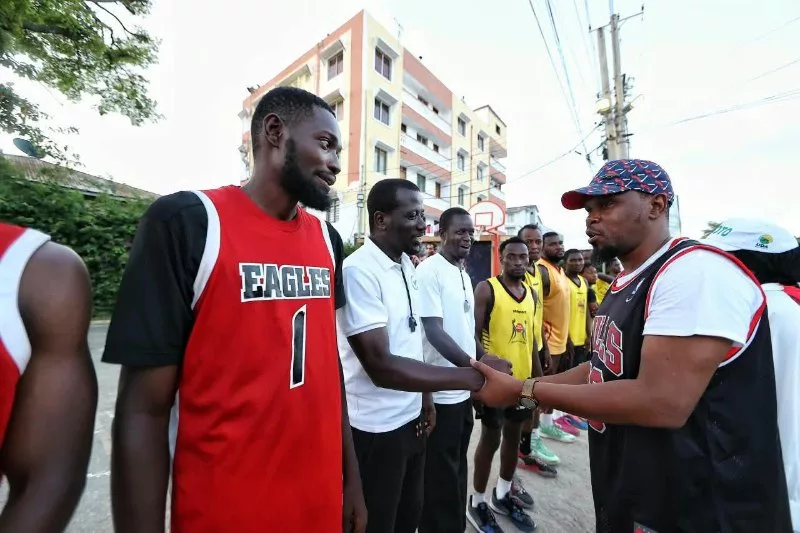
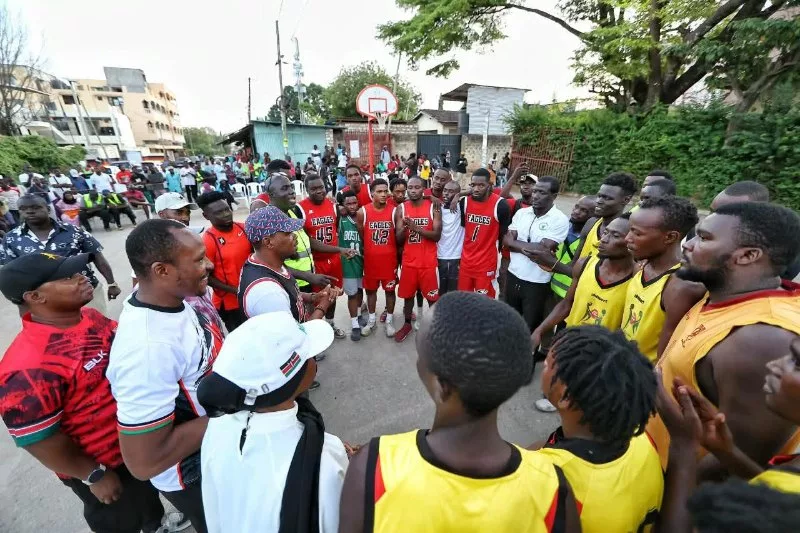
He spoke during the inaugural Mwaguya Open Basketball Challenge, North Edition, at Kisauni Kings Arena in Khadija Estate, Nyali subcounty.
Mwaguya said Mombasa had lost economic opportunities as industries and businesses relocated to Nairobi and other counties.
He cited East African Breweries, Kenya Pipeline, Magadi and Bamburi Cement among the businesses that previously had a significant presence in the coastal city.
“If you want to catch a butterfly, you don’t go round chasing them. You build a beautiful garden and the butterflies will come,” he said, arguing that a clean, well-planned city with reliable services would attract investors.
He called for closer cooperation between the government and the private sector, saying investors should be enabled to operate and contribute to community development through initiatives such as sports sponsorship.
Mwaguya also regretted that Mombasa would not host matches during next year’s Africa Cup of Nations, which Kenya is co-hosting with Tanzania and Uganda, saying the county lacked a stadium.
He argued that investment in sports could generate economic activity while helping keep young people engaged and reducing their exposure to crime and drug abuse.
The basketball challenge is intended to provide a platform for talent development and keep players occupied during the school holidays.
It will feature three more editions — West, South and Central — before the winners meet to determine the county champion. The competition is expected to run for about 12 weeks.
Mwaguya said he chose basketball because it could be played throughout the day and attracted many young people who lacked opportunities to develop their talent.
However, he said Mombasa had only one standard basketball court and fewer than five substandard ones, despite having more than 30 teams registered with the Mombasa Basketball Association.
“Unfortunately, there is a shortage of basketball courts, which we are trying to highlight and advocate for so that we can have more young people play,” he said.
Mwaguya said he spearheaded the construction of a basketball court in Maweni in 2010 while serving as Kisauni NG-CDF chairman under then MP Hassan Joho, now Cabinet Secretary for Mining and Blue Economy.
“To date, about 2,000 young people have played on that court. So, it is just the leadership that is lacking, the leadership that is required to grow sports, not only basketball, even the other sports,” he said.
He said the county had unused land that could be developed into sporting facilities. Access to football fields was also limited, he noted, with some grounds located in schools, others privately owned and expensive to use, and others embroiled in disputes.
Mwaguya urged the government to acquire suitable land and establish facilities where young people could play, interact and develop their skills.
He said community participation and ownership would help attract sponsors and investment, positioning sports as a potential driver of tourism.
Kisauni Kings Arena has produced players who have represented Kenya’s men’s national basketball team, the Morans, including Ariel Okal, Faheem Juma and Lenox Wanje.
“You can imagine what that can do for sports tourism for Mombasa if we have innovative leaders,” Mwaguya said.