Kisumu have pledged to intensify peace-building initiatives and tackle political intolerance amid growing concerns over potential electoral violence ahead of the 2027 General Election.
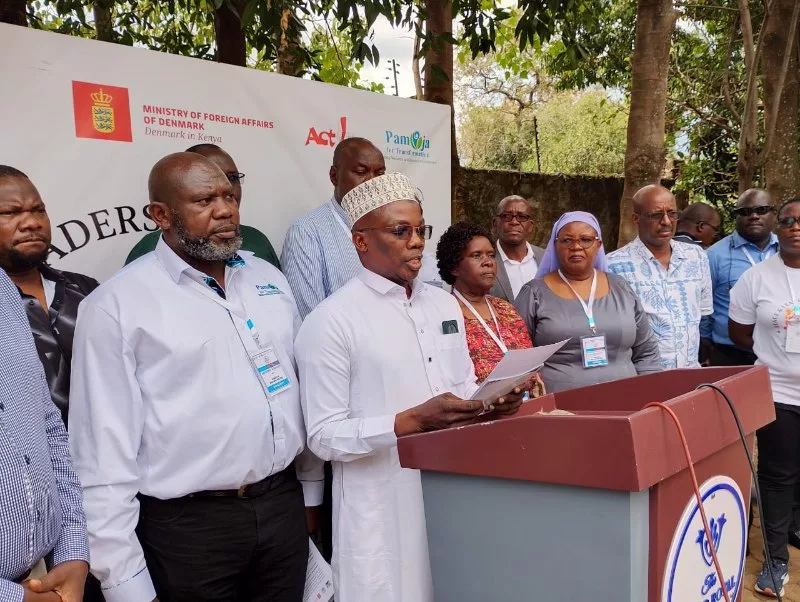
The pledge was made at the end of a two-day Peace and Leadership Summit in Kisumu.
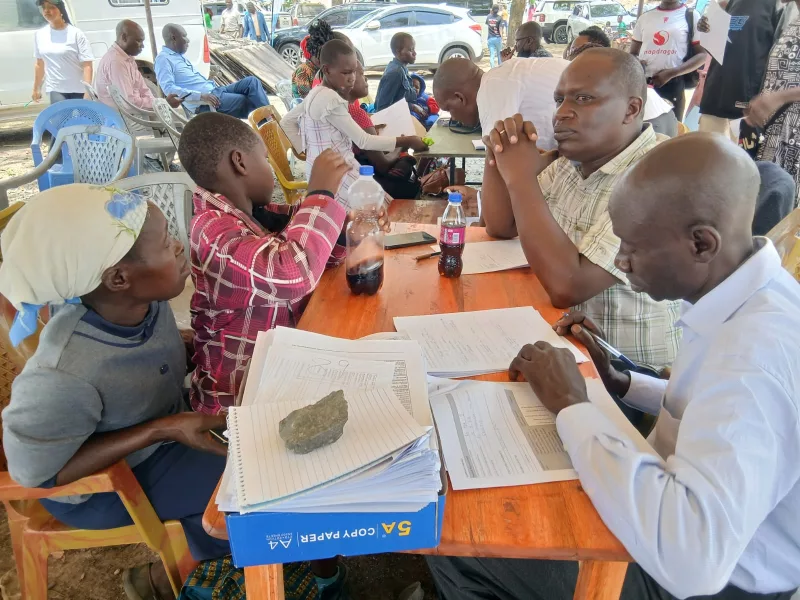
The meeting brought together government officials, security agencies, civil society organisations, religious leaders, youth and women’s representatives and independent institutions to discuss ways to safeguard peace and strengthen inclusive governance.
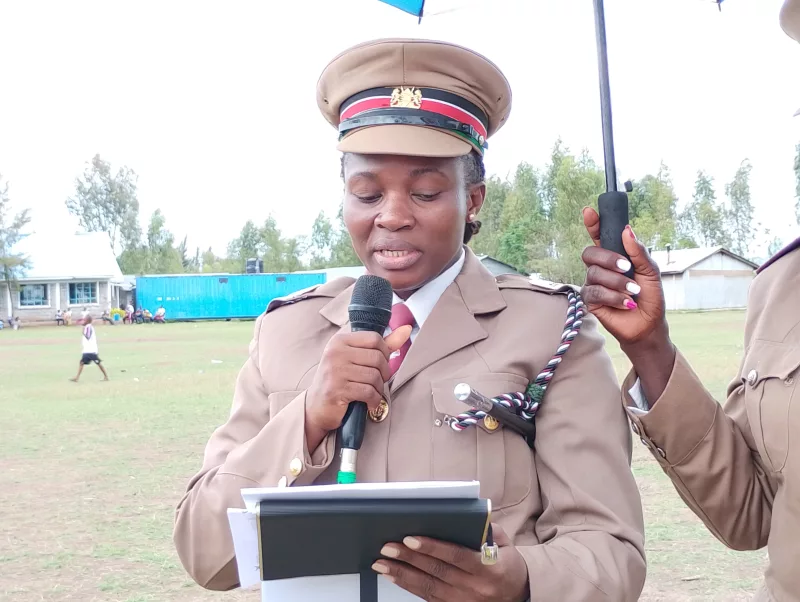
Kisumu County Commissioner Ramadhan Mwabudzo read the summit’s communique, which outlined six resolutions focusing on conflict prevention, information sharing, inclusive leadership and coordinated responses to emerging security challenges.
The meeting was organised by Pamoja for Transformation Trust in partnership with the national government through the County Commissioner’s office.
It was supported by development partners, including Act Change Transform and the Royal Danish Embassy in Kenya.
Mwabudzo said lasting peace depended on cooperation between government institutions and other stakeholders, as well as adequate resources and effective mechanisms to respond to emerging conflicts.
The delegates identified political intolerance, unresolved community grievances, economic inequalities, organised criminal violence, misinformation and hate speech as potential triggers of unrest in Kisumu and the wider Nyanza region as the country heads towards the 2027 elections.
They also expressed concern over waning public trust in institutions responsible for electoral justice.
They warned that unresolved grievances could deepen political tensions and undermine peaceful participation in the electoral process.
The summit highlighted the growing influence of digital platforms in fuelling conflict, citing cyberbullying, online harassment, harmful content generated using artificial intelligence and technology-facilitated gender-based violence.
Participants called for stronger early-warning and response systems to identify tensions early and enable stakeholders to intervene before disputes escalate into violence.
They also emphasised the need to give women and young people a greater role in leadership and decision-making, noting that their participation was critical to building inclusive communities and preventing conflict.
The delegates said peace could not be sustained through security operations alone. They said it also required accountable leadership, effective public institutions, respect for human rights and closer coordination among organisations involved in conflict prevention and resolution.
They called for peace-building programmes to continue beyond the 2027 elections, cautioning against initiatives that gain momentum only when political tensions rise.
To track the implementation of the resolutions, participants committed to supporting a multi-stakeholder coordination forum that will periodically assess progress, review agreed actions and identify gaps requiring intervention.
In their call to action, the delegates urged participating institutions and organisations to translate the resolutions into concrete programmes while upholding the principles enshrined in the constitution.
Speaking after the summit, Pamoja for Transformation Trust executive director Stephen Kadenyo said the meeting had provided a platform for stakeholders from government, the private sector, religious institutions, civil society and youth groups to reflect on their respective responsibilities in promoting peace.
Kadenyo said the organisation would continue working with partners to implement the agreed resolutions and strengthen cooperation towards a peaceful and secure Kisumu county and the wider region.
He thanked the national government, development partners and participants for supporting the initiative.
He expressed hope that the commitments would lead to practical interventions before the next General Election.