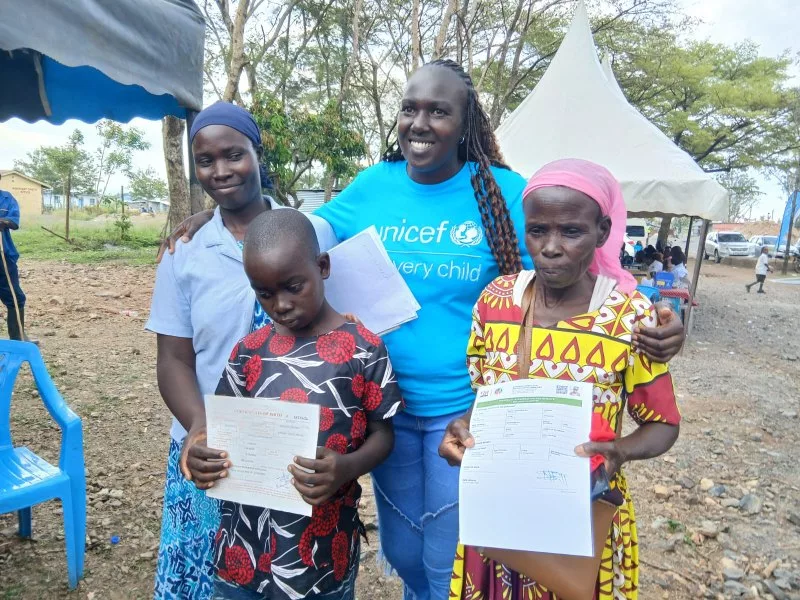
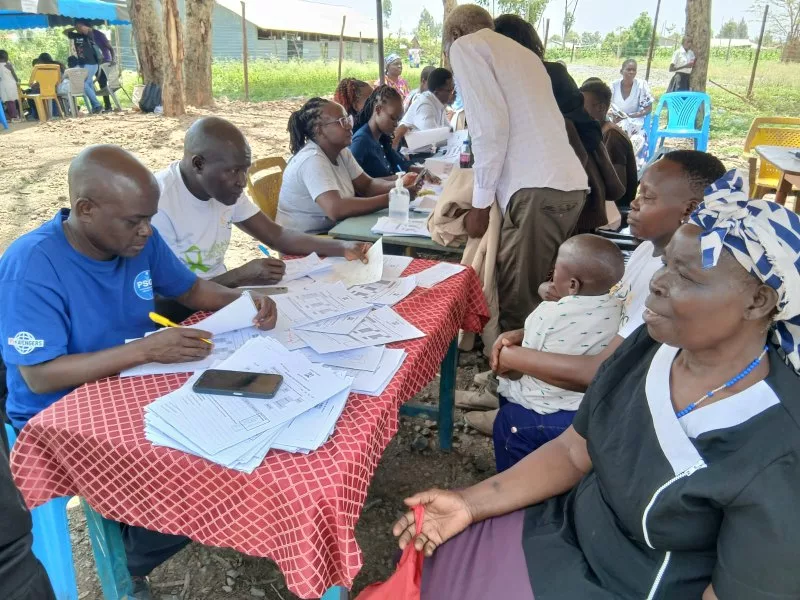
More than 500 children with disabilities in Kisumu county have been identified and registered in an outreach programme aimed at connecting them with education, healthcare and government assistance.
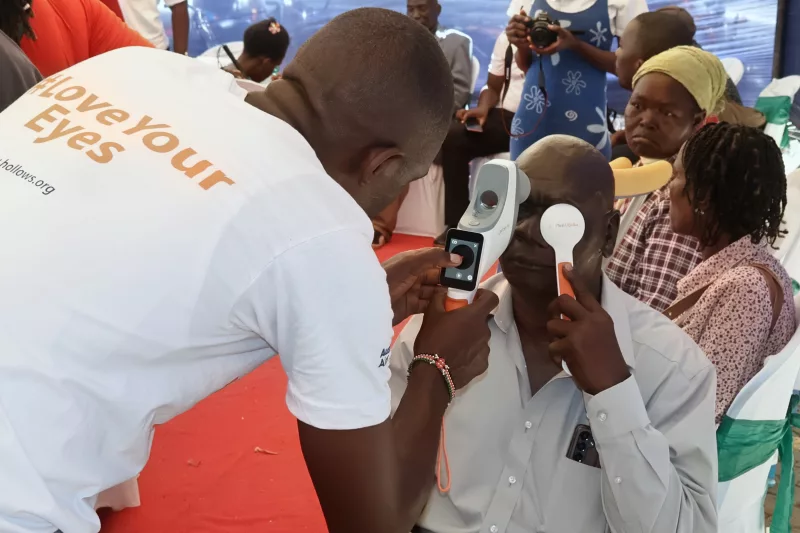
The three-day exercise brought together health professionals, education officers, civil registration officials and social protection agencies to assess the children’s needs and determine the support required.
Some of the children had never undergone medical or educational assessments, leaving their families struggling to find appropriate services and learning institutions.
The programme, led by UNICEF Kenya in collaboration with the State Department for Social Protection and Senior Citizens Affairs, the National Council for Persons with Disabilities (NCPWD) and the Kisumu county government, with support from Innovation Norway, targeted families in Muhoroni.
The outreach began at Ombeyi chief’s camp before moving to Muhoroni chief’s camp and Obino Dispensary in Songhor.
It brought various services closer to families who would otherwise have to travel to different facilities and government offices.
UNICEF Kisumu Zonal Office social policy officer Helen Chemiongoi said 375 children had been reached in the first two days, with the team projecting to register more than 500 by the end of the exercise.
She said birth registration was a key component of the programme because a lack of documentation had prevented some families from completing the process of obtaining disability registration cards.
“Previously, parents came without birth certificates and could not complete the process for the disability card,” Chemiongoi said.
Children found to be malnourished were referred for nutritional support, while those without birth certificates received assistance through the Department of Civil Registration.
Director of Social Development and head of disability programmes at the state department Richard Bosire said the integrated approach was designed to ease the difficulties families face when seeking support from different government agencies.
He said the exercise combined disability registration, medical assessments, educational evaluations and birth registration to establish individual children’s needs and connect them with appropriate services.
“The purpose of mapping is to account for these children, assist those in need and place them in the right institutions,” Bosire said.
For some parents, the assessments provided answers to challenges they had struggled to address for years.
Jerica Wawire, whose 15-year-old son was attending a regular school in Grade 5, said she had been concerned about his academic progress but did not know what educational support he needed.
Despite remaining in school, her son had not developed basic writing skills, raising questions about whether his learning needs were being adequately addressed.
“He cannot even write his name. I have just been trying to push him to no avail,” she said.
Following assessments during the outreach, the boy was placed at Lutheran School for the Disabled, where he is expected to receive learning support suited to his needs.
Bosire said the case reflected a wider challenge facing children with disabilities who remain in mainstream schools without undergoing assessments to determine suitable learning environments.
“We have realised so many children still don’t go to school because they have never been assessed and placed in the right schools,” he said.
Educational Assessment and Resource Centre officer Jack Onyango said 82 learners were assessed at Ombeyi, 98 at Muhoroni and 35 at Obino.
He said the assessments helped determine the most suitable learning environment for each child while identifying the support needed to develop practical skills, including personal care and safety.
Onyango said the shortage of special education units in the area remained a major obstacle to ensuring children with disabilities received appropriate education.
County public health officer in charge of physiotherapy, disability mainstreaming and rehabilitation George Omamo said more than 300 children had undergone assessments, with some referred for specialised services, including therapy.
He said the exercise also exposed barriers that continued to prevent families from accessing services, including missing birth certificates, mobility challenges and stigma.
Some parents were unable to bring children with significant mobility needs to the outreach sites, highlighting the need for future programmes to reach households directly, Omamo said.
He added that the county government had launched a campaign to address stigma surrounding disability. The turnout at the exercise, he said, indicated a growing willingness among families to seek assistance.
NCPWD Nyanza regional coordinator George Odhiambo said registration with the council was an important step towards helping children access government programmes.
He said available interventions included bursaries, scholarships, assistive devices and monthly stipends for eligible caregivers and children with severe disabilities.
Odhiambo urged parents and caregivers to register children with disabilities so they could be considered for the available support.
NCPWD partnerships officer Sarah Ayecho said more investment was needed in assistive technology to enable people with disabilities to participate fully in education, work and community life.
“Assistive technology is what persons with disabilities need to live a dignified life, to access education and livelihood. Without it they cannot fully participate. We provide devices but we cannot meet the need that exists,” Ayecho said.
UNICEF and the state department urged families whose children were not reached during the exercise to visit the nearest assessment centre for assistance.
They said continued coordination among health, education and social protection agencies would be essential in identifying children with disabilities, addressing their individual needs and ensuring they were not excluded from essential services.