The Kenyan film industry has grown tremendously since the year 2000. The industry has recorded a significant increase in the number of domestic film productions, film screenings, film audiences, and film festivals across the country. Indeed, Kenya has become one of Africa’s major film markets for both local and international films. Kenyan actors, actresses and films are increasingly entering and featuring in global films and markets, and are connecting with international audiences in commercial cinemas and at major international film festivals.
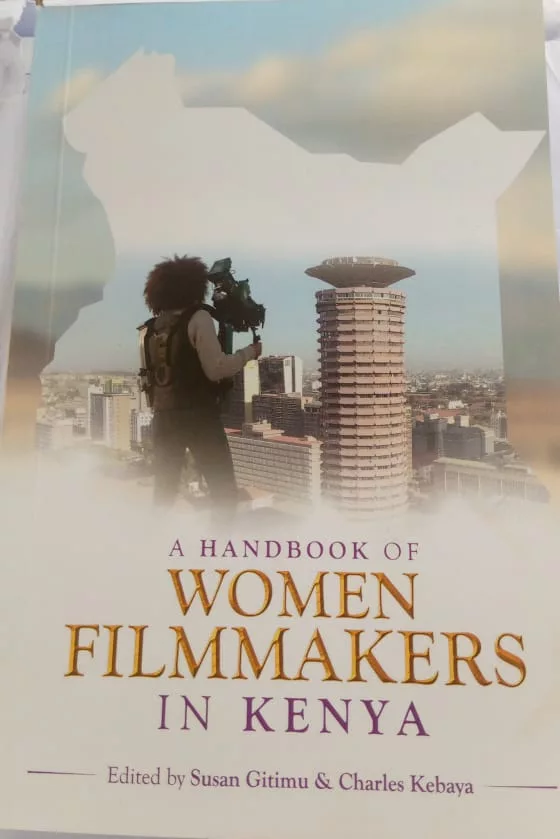
Remarkably, the quantum leap in Kenyan cinema is as a result of the extraordinary contributions made by female filmmakers. Women filmmakers have become key figures in Kenyan cinema and have won acclaim both locally and internationally. Additionally, Kenyan actresses such as Lupita Nyong’o have had a profound impact in film at the global arena. These extraordinary feats and contributions of women filmmakers in Kenyan Cinema form the foundation for A Handbook of Women Filmmakers in Kenya (2026), edited by Susan Gitimu and Charles Kebaya.
The book is a groundbreaking exploration of the untold stories and significant contributions of women in shaping Kenya's cinematic landscape. It also transcends traditional approaches of looking at films made by women filmmakers as ‘feminist’ cinema, but focuses on various issues articulated by women filmmakers ranging from educational empowerment, women leadership, subverting gender stereotypes to emerging contemporary issues such as queer lifestyles and climate change.
Kenyan filmmaking, like much of African cinema, has often been discussed in ways that centre on male pioneers and narratives, inadvertently sidelining the contributions of women. A Handbook of Women Filmmakers in Kenya addresses this critical gap and presents an inclusive, nuanced understanding of women filmmaking in Kenya’s cinematic history. It illuminates unique challenges women filmmakers face—be it in accessing funding, navigating cultural biases, or negotiating creative agency in a male-dominated industry. The book also surfaces out the resilience, creativity and innovative storytelling, which engage with themes of identity, community and social justice in ways that resonate deeply with local and global audiences.
The book comprises 18 incisive chapters focusing on film oeuvres of various women filmmakers in the country since independence to date. Locating Kenyan women filmmakers’ contributions within a historical framework enriches the discourse by tracing how women filmmakers have evolved alongside societal changes from colonial-era cinema to contemporary digital filmmaking. This historical approach not only provides context but also underscores the critical role women filmmakers have played in shaping Kenyan national narratives.
It is worth-noting that the book is significant in the history of women in Kenyan cinema, highlighting the challenges, triumphs and unique contributions of female filmmakers. It is not just about the films they have made but also about how they’ve shaped the industry in a male-dominated field. The book explores how these women have navigated social, economic and cultural barriers to tell their stories and create space for other women in the industry. It not only highlights the women filmmakers’ resilience and creativity in overcoming systemic challenges but also situates their work within broader cultural and historical contexts.
More importantly, it situates scholarship on Kenyan cinema, particularly women filmmakers, in conversation with other cinemas across the world. It espouses diverse methodologies, critical tools and perspectives in interrogating films by women filmmakers in the country. The book’s overall methodology is premised on the realisation that critical discussions on film should lead out of the films themselves towards matters of aesthetics, culture, history and society.
A Handbook of Women Filmmakers in Kenya is a timely publication because there is a growing popularity of film studies in our universities and other institutions of higher learning. University students undertaking film studies, postgraduate student researchers, media reviewers, gender scholars, literary scholars and historians interested in themes, histories and knowledge of women in film will find this book informative. It is also a must-read for anyone passionate about the transformative power of storytelling, since the book serves as a powerful tribute to women voices that have redefined the film industry in Kenya and beyond.
Senior lecturer, Languages and Linguistics, Machakos University