A former Trans Nzoia government accountant is set to lose assets worth Sh207.7 million after a court ruled he had failed to satisfactorily explain how he acquired the wealth.
Milimani Anti-Corruption and Economic Crimes Court judge Rose Ougo ordered the forfeiture of assets valued at Sh207,741,928 to the state in a judgment delivered on October 8.
The Ethics and Anti-Corruption Commission (EACC) had pursued the recovery of wealth it considered disproportionate to the former employee’s known legitimate sources of income.
The former accountant served in the Trans Nzoia government and its Ministry of Public Health and Sanitation.
The court found he had not satisfactorily accounted for the disparity between his legitimate income and the wealth in question.
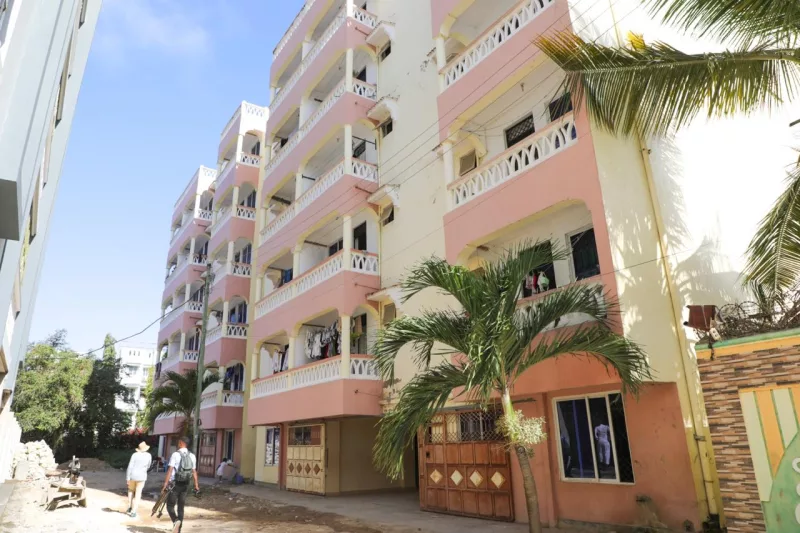
The assets covered by the forfeiture orders include properties in Mombasa and Bungoma counties valued at Sh150,209,000.
These comprise two five-storey apartment blocks and a five-bedroom townhouse in Mtwapa, Mombasa county, as well as seven undeveloped parcels of land in Mombasa and Bungoma counties.
The court also ordered the forfeiture of bank and M-Pesa deposits totalling Sh53,532,910 and two vehicles valued at Sh4 million.
The EACC said its investigations established the former county employee acquired the properties and accumulated the funds between January 1, 2013, and October 31, 2018.
The commission put the total value of the assets identified during its investigations at Sh289,932,910. This comprised bank and M-Pesa deposits worth Sh53,532,910, landed properties valued at Sh226.8 million and motor vehicles worth Sh9.6 million.
However, the amount sought in the recovery proceedings was Sh284,087,664, representing assets the commission considered disproportionate to the former accountant’s known legitimate sources of income.
“The commission instituted proceedings under Section 55 of the Anti-Corruption and Economic Crimes Act (ACECA) to recover Sh284,087,664 in assets deemed disproportionate to his known legitimate sources of income, which he could not satisfactorily explain,” the EACC said in a statement.
After considering the claim, the court established the former accountant had failed to satisfactorily explain the source of Sh207,741,928 and ordered the amount be forfeited to the state.
Section 55 of the Anti-Corruption and Economic Crimes Act empowers the EACC to institute civil proceedings in court to recover wealth disproportionate to a person’s known legitimate sources of income.
Section 56 of the Act provides for preservation orders that can prevent the transfer or concealment of property while investigations or recovery proceedings are ongoing.
In unexplained wealth proceedings, the commission must prove its case on a balance of probabilities.
Once it establishes that a person’s assets are disproportionate to their known legitimate income, the evidentiary burden shifts to the person to satisfactorily explain how the wealth was acquired.
Unlike criminal proceedings, civil asset recovery does not require a criminal conviction before a court can order the forfeiture of unexplained wealth.
“EACC remains committed to protecting public property and ensuring that public resources are preserved for the benefit of all Kenyans,” the commission said.