President William Ruto has pledged to create two million digital jobs over the next three years as part of the next phase of his economic transformation agenda ahead of the 2027 General Election.
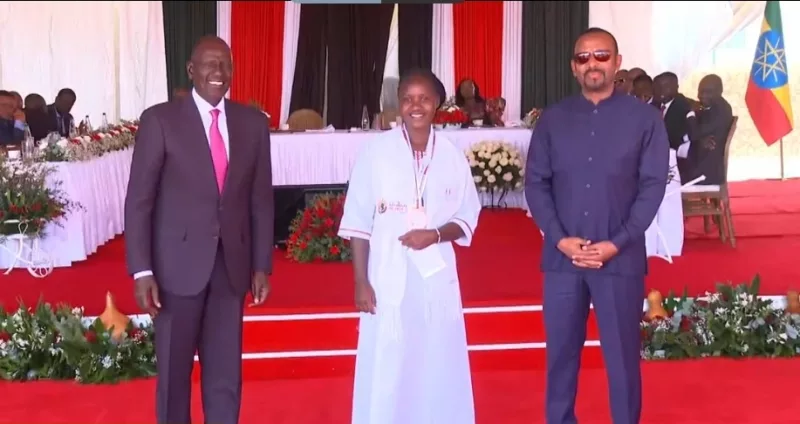
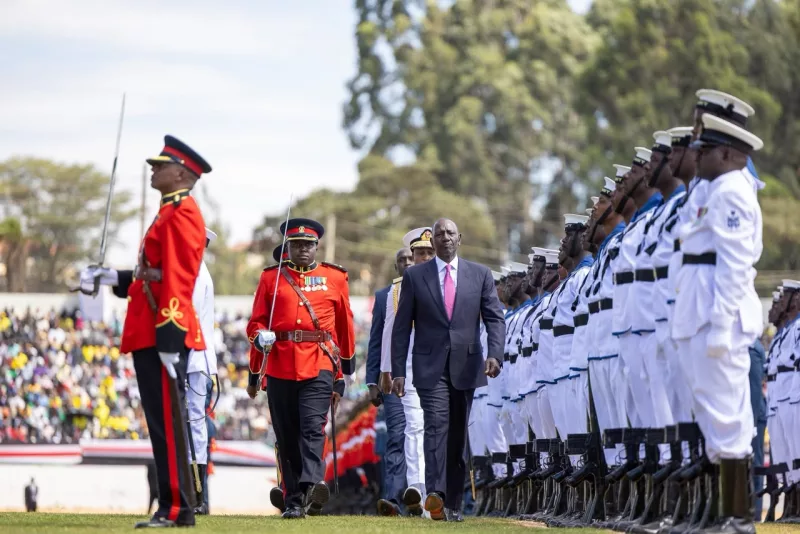
In his Mashujaa Day address at Kipchoge Keino Stadium in Eldoret on Tuesday, Ruto said the government would expand opportunities in the digital economy alongside overseas employment and jobs generated through affordable housing and related investments.
The President set a target of one million overseas jobs and two million jobs linked to housing and related investments within the same period.
“I will also present to Kenyans the next phase of our agenda: increasing agricultural and dairy production, expanding industrialisation, unlocking our natural resources and accelerating our transition towards a modern and competitive services economy,” he said.
Ruto said the government would pursue the employment targets alongside fresh investments in roads, energy and transport, supported by sustainable financing arrangements through the proposed National Infrastructure Fund.
He acknowledged that the targets were ambitious, saying the government would need to explain how they would be financed, implemented and measured.
The digital jobs pledge builds on the administration’s existing initiatives to connect young Kenyans to online work.
Ruto said the government’s digital work programme had already opened livelihood opportunities for 350,000 young people in the digital economy.
He also cited the NYOTA programme, through which more than 700,000 young people are receiving training, while over 120,000 young entrepreneurs have received capital and mentorship to establish businesses and create sustainable livelihoods.
The President said his administration was seeking to expand economic opportunities for young people, many of whom have expressed frustration over unemployment, the high cost of living and the slow pace of economic change.
He acknowledged that young Kenyans had taken to the streets to demand better living conditions, lower costs and more employment opportunities.
Their protests, he said, demonstrated that citizens retained the right to question the government and demand accountability even after elections.
Ruto also announced proposals to expand the national internship programme by an additional 50,000 young people from January 1, 2027, with each participant receiving a stipend.
The programme is intended to provide work experience to young people struggling to enter the labour market.
The President said his administration would present its development record and the next phase of its economic agenda to Kenyans ahead of next year’s election.
He challenged political leaders to make the 2027 contest about competing ideas, policies and development records rather than ethnic mobilisation or personal attacks.