Deputy President Kithure Kindiki has defended President William Ruto’s record on civil liberties and socio-economic rights, insisting that Kenya has made progress in improving livelihoods under his administration.
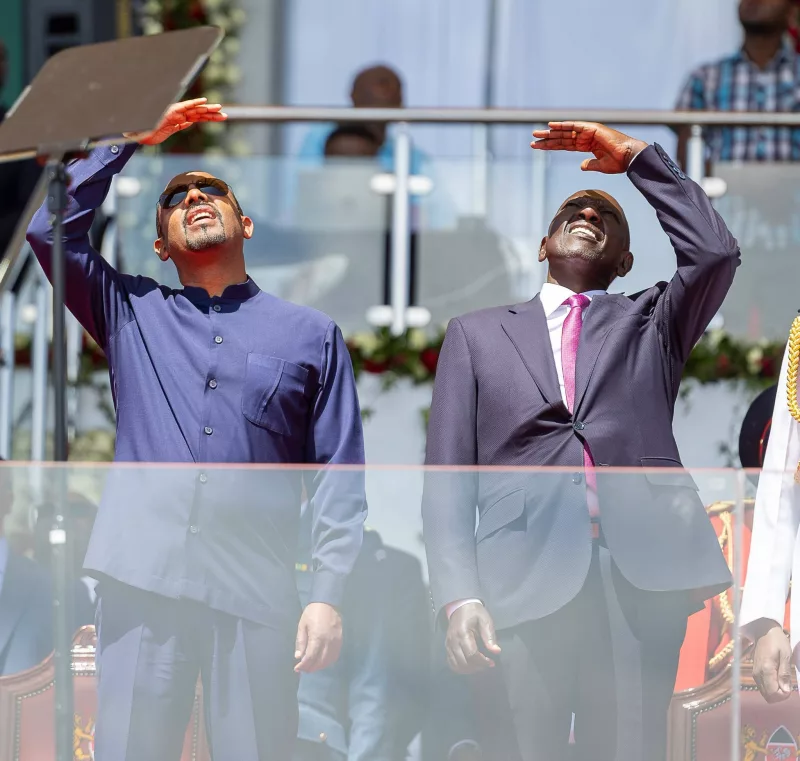
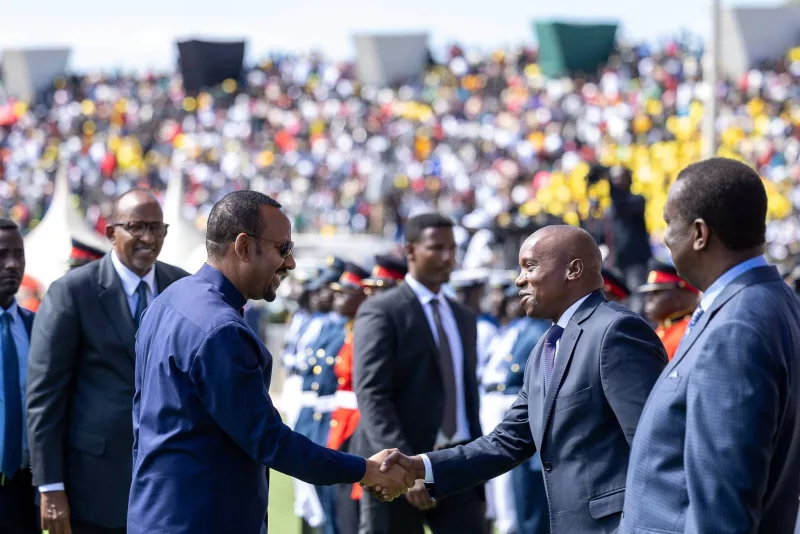
Speaking during Mashujaa Day celebrations at Kipchoge Keino Stadium in Eldoret on Tuesday, Kindiki said Kenya had built strong democratic credentials over the 63 years since independence. He said the next phase of development should build on those gains.
“We have made progress in expanding our democracy, civil rights and liberties. Kenya is one of the countries with very strong credentials in civil liberties and rights that we enjoy,” Kindiki said.
He said the country’s next phase of development should build on the achievements made since independence, focusing on economic empowerment and improved livelihoods.
“The journey that remains is to build on the journey of the last 63 years, as you [President William Ruto] lead us in the final push for the economic empowerment and liberation of our nation,” he said.
Kindiki said the government had expanded access to socio-economic rights, including healthcare and education.
He added that the administration had improved farmers’ livelihoods through cheaper fertiliser and seeds, artificial insemination services and better prices for dairy farmers.
He also cited progress in boosting productivity in the coffee, tea and sugar sectors, empowering fishing communities and expanding health coverage under the Social Health Authority.
“We have made progress under the guidance of the President to increase the number of Kenyans who enjoy health cover under the Social Health Authority. We have also made progress in our education and infrastructure,” he said.
His remarks come amid continued scrutiny of the government’s handling of anti-government protests, allegations of police abuses and concerns over freedom of expression and accountability for human rights violations.
A report released by Amnesty International on Monday accused the government of increasingly using arbitrary arrests, detentions, surveillance and restrictions on civic space to suppress dissent during protests between 2023 and 2025.
The organisation urged the government to address the economic grievances driving demonstrations and ensure accountability for rights violations.
The report presents a contrasting assessment of the country’s civil liberties record to that offered by Kindiki.
The Deputy President, however, said the country’s journey remained unfinished. He urged Kenyans to build on the progress made since independence as Ruto entered the final phase of his first term.
Kindiki described the first four years as a defining period for the country, linking the administration’s legacy to its ability to improve economic conditions and expand access to essential services.
However, the government’s claims on economic rights come amid persistent concerns over the cost of living, taxation and access to healthcare. These issues have featured prominently in recent public protests.
Amnesty International’s study linked demonstrations during the period under review to rising living costs, increased taxation, inequality, public debt and demands for greater accountability in government spending.
It argued that economic grievances and restrictions on civic freedoms had become closely connected.
INSTANT ANALYSIS
Kindiki’s defence highlights the government’s attempt to frame Ruto’s legacy around economic empowerment and expanded access to essential services. However, Amnesty International’s allegations of rights violations present a contrasting narrative, raising questions about the relationship between economic progress and civil liberties. The administration’s credibility will depend on addressing livelihood concerns and demands for accountability alongside its claims of development gains.