The Ministry of Health has held consultations with development and health sector partners to review Kenya’s response to Ebola Virus Disease and mobilise resources to strengthen containment measures.
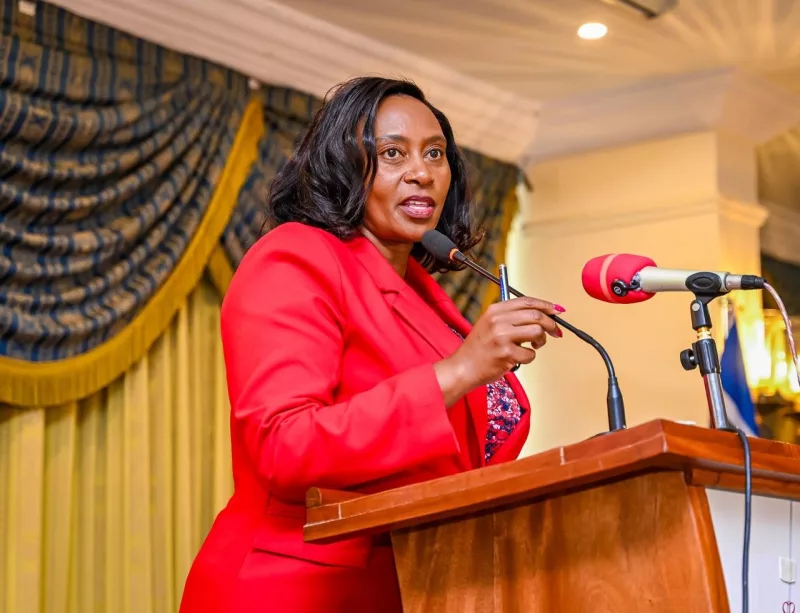
The meeting, held on Monday and led by Public Health Principal Secretary Mary Muthoni, brought together key stakeholders to assess the evolving situation, identify response priorities and address funding gaps.
Participants included the Development Partners for Health in Kenya (DPHK), Health NGOs Network (HENNET), Kenya Healthcare Federation (KHF) and the Kenya Red Cross Society (KRCS).
The consultations focused on aligning partner support with national priorities, including surveillance, contact tracing, laboratory testing, case management, infection prevention and control, and community engagement.
“The ministry reaffirms the importance of coordinated action, timely resource mobilisation and strong partnerships to contain transmission, protect health workers and communities, and strengthen national preparedness,” it said in a statement.
The meeting comes as Kenya intensifies surveillance and preparedness efforts following confirmed infections involving the Bundibugyo virus, a strain of Ebola responsible for the current outbreak.
Kenya has confirmed eight cases of the disease, including one death, prompting increased efforts to identify exposed individuals and prevent further transmission.
The first patient, who had travelled from the Democratic Republic of Congo through Uganda, died on October 5 after being admitted to a Nairobi hospital.
Subsequent infections have involved people linked to the initial patient, including close contacts and healthcare workers.
Health authorities have intensified contact tracing, quarantine and monitoring of exposed individuals while strengthening screening at points of entry and infection prevention measures in health facilities.
The ministry said collaboration between government agencies, development partners, health organisations and communities would be critical in containing the outbreak.
Laboratory testing and case management remain key priorities, alongside measures to protect frontline health workers and prevent transmission in hospitals and communities.
The consultations also provided an opportunity to discuss funding gaps and coordinate financial and technical assistance to ensure resources reach priority areas of the response.
The government is seeking to strengthen community engagement to ensure the public receives accurate information on prevention, symptoms and the importance of promptly reporting suspected infections.
The ministry reiterated its commitment to a “whole-of-government and whole-of-society approach” to safeguarding public health, emphasising that effective coordination would be essential in containing transmission.
It said timely resource mobilisation and sustained partnerships would help strengthen national preparedness, protect communities and support the ongoing response to the outbreak.