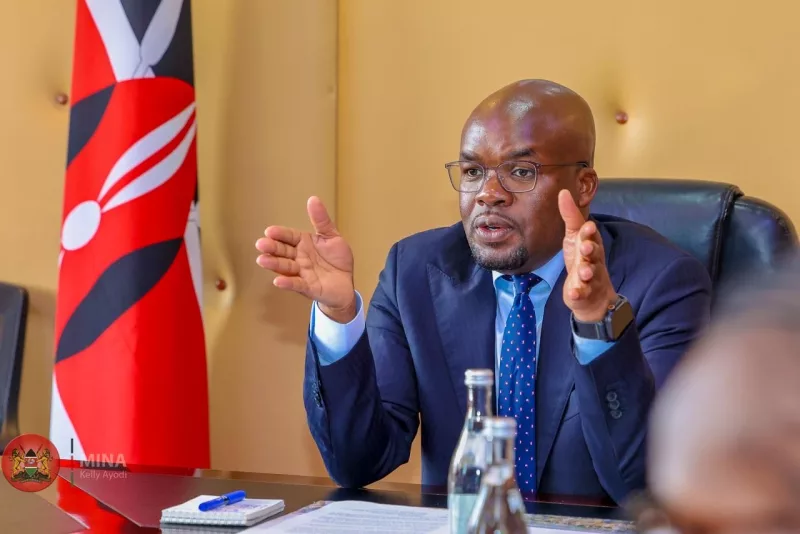
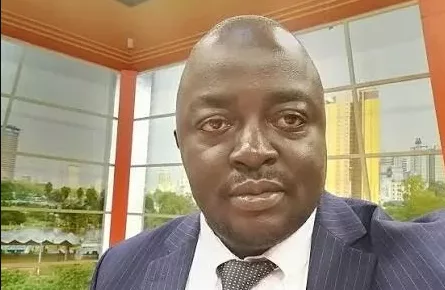
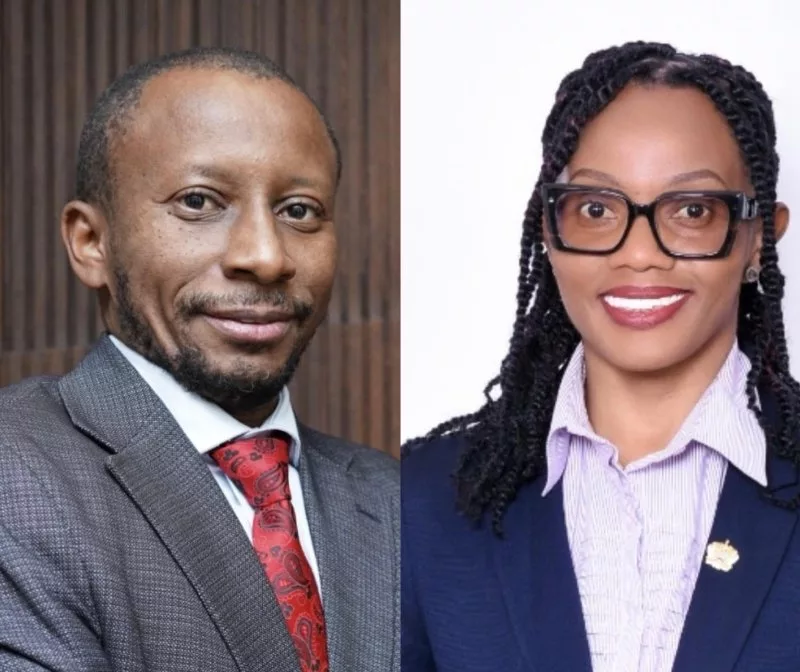
 A photo collage of Mutua Boniface Musyoki and Faith Mwende James /HANDOUT
As Kenya marked the 2026 United Nations International Day of Older Persons, themed “The Age of Longevity: Rethinking Systems for Longer Lives,” a critical gap remains in how retirement adequacy is understood.
Illustrative costs in the SanlamAllianz Retirement Benchmark Report Kenya 2026 show that a public-hospital stroke admission can absorb about 11 months of a Sh21,900 monthly pension, and a private-hospital admission more than eight years.
The population aged 65 years and above in Kenya is projected to grow from 1.87 million people in 2019 to over 4.77 million in 2050.
This growth comes with its own share of challenges that must be addressed to ensure longevity and dignified life in old age.
The Retirement Benefits Authority (RBA) Pensioner Survey in 2024 found that 83 per cent of the respondents had dependents, and only 41 per cent considered their pension savings sufficient.
From the survey, health was identified as the second most important aspect of retirement by 32 per cent of the respondents, while 71 per cent had medical cover.
The survey also showed that 77 per cent of those with cover paid the premiums from their pockets.
Only 16% had their costs met through their pension scheme or a Post-Retirement Medical Fund (PRMF).
Having a medical cover, however, is not the same as affordability.
The SanlamAllianz Retirement Benchmark Report Kenya 2026, among all respondents, 53 per cent had no funded provision for post-retirement healthcare and 27 per cent had thought about it but not started saving and 26 per cent had no plan.
A critical question is, can we continue to define old age adequacy only in income without adequately accounting for healthcare needs?
The conventional retirement adequacy focuses more on income at retirement, and this misses a huge component in old age, rising healthcare costs, chronic illness and increased insurance premiums.
Kenya has witnessed several retirement sector wide reforms and regulatory changes targeting the retirees.
The informal sector also generated 87.2 per cent of all new jobs in 2025 (KNBS Economic Survey 2026), and the RBA estimates that pension coverage reaches only about 26 per cent of the labour force.
This means that the country is predisposed to old age poverty since most of the workers will have insufficient income past 60 years.
Dignity of the elderly people in the society is both a development and rights issue.
The more disturbing situation is the fact that majority will be unable to access quality healthcare in old age.
This deprives them of their universal human rights and provisions in Articles 43 and 57 of the Constitution of Kenya (2010) on rights to health and dignified living.
In old age, income and healthcare draw on one household budget, so income adequacy is overstated until expected health costs are accounted for.
We appreciate the major strides made in expanding the Social Health Authority (SHA), the recently enacted Retirement Benefits (Post-Retirement Medical Funds) Regulations, 2026 and the tax benefits accrued from the contributions made to PRMF.
However, more effort is needed to fully integrate all the institutional and policy reforms for better service delivery.
Consider the gap facing a person who retires at 60.
They may have to wait another decade, until age 70, to qualify for the Older Persons Cash Transfer Programme, which provides Ksh2,000 per month.
Any income during those years competes directly with food, housing and other household basic needs.
A single public-hospital stroke admission, at roughly Sh240,000 on the Benchmark’s figures, equals about ten years of that transfer.
The pressure is even greater for elderly people with dependents.
The United Nations theme for this year's day is "The Age of Longevity: Rethinking Systems for Longer Lives".
For Kenya, rethinking means connecting systems that already exist, not overhauling but having an integrated approach to old age and especially on healthcare.
The following four recommendations would transform old age for Kenyans.
First, there is need to ensure that SHA and the State Department of Social Protection make provisions for access to healthcare by persons aged 60 years and above, with the resources ringfenced to ensure they are not diverted.
Second, RBA to consider incorporating healthcare adequacy in retirement adequacy so that adequacy in retirement is measured not by pension income alone but by the income that remains after expected healthcare costs.
This will ensure that healthcare becomes an integral part of pension adequacy.
Third, young people entering the workforce should be encouraged to enroll in a PRMF to secure their old age health needs.
A monthly contribution equivalent to the current employer medical cover premium is a good starting point.
Fourth, retirement statements should show members what their savings are likely to mean in real life: the projected monthly income, the gap against the income they will need, and how healthcare costs fit into that picture.
All this is happening at a time when Kenya is on a crossroads with demographic transition experienced by people living longer, however, longevity without attendant financial and healthcare security leaves most of the elderly population vulnerable and exposed to undignified life in old age.
As Kenya marks two years of the Social Health Authority and significant progress in enrolment compared with the previous NHIF regime, a critical question remains: can Kenyans who have served this nation diligently afford the much-needed healthcare in old age?
The ultimate question should not be how much income they have in retirement but what income, net of healthcare costs, will enable them to live with dignity.
Kenya’s social protection system must therefore look beyond income.
Retirement security must encompass income, healthcare and dignity.
Only then can a longer life truly become a better life.
Boniface Mutua works in the pension sector and is a PhD candidate in Development Studies at Daystar University.
Faith Mwende James works with the County Government of Makueni. The views expressed are their own and do not in any way represent the organizations with which they are affiliated.