Water is a basic human need, required for drinking, supporting sanitation and hygiene and sustaining life and health. The provision of safe, accessible water directly promotes human health in myriad ways. Poor quality water threatens health, livelihoods and economic progress, underscoring the urgent need to ensure not only access, but also the safety of drinking water.
We at Nairobi Water are committed to delivering safe, clean drinking water to every customer. We achieve this through a comprehensive water quality monitoring programme from source to tap (water catchment, treatment plants, and across the distribution network to the consumer's tap). Monitoring at multiple barriers allows us to detect and address any quality issue before water reaches the consumer.
The utility draws its raw water from four catchments — Thika Dam, Sasumua Dam, Ruiru Dam and Kikuyu Springs — each served by a dedicated treatment plant. Ng’ethu Treatment Plant treats water from Thika Dam at a capacity of 440,000 cubic metres per day, while the Sasumua Dam treatment plant handles 61,000 cubic metres per day drawn from Sasumua Dam. Kabete treatment plant processes 20,600 cubic metres per day from Ruiru Dam and the Kikuyu Springs purifies 4,000 cubic metres per day at Kikuyu Springs. Together, these four sources supply the city with 525,600 cubic metres of treated water daily.
Water quality surveillance begins at these four catchments. We collect and analyse samples quarterly to track the condition of the raw water entering our system. This early-warning monitoring also helps us understand seasonal variations, detect emerging pollution risks and optimise downstream treatment processes.
Water quality is tested every 30 minutes over a 24-hour period, ensuring that treatment performance is verified around the clock. This helps to confirm that every stage of the treatment process is operating effectively and that only water meeting drinking standards leaves the treatment plant.
To verify that water quality is maintained all the way to the consumer, we operate more than 300 designated water sampling points spread across the distribution network. These cover schools, hospitals, dispensaries, public standpipes, hotels and water kiosks. Every month, 640 samples are collected and analysed for: physico-chemical parameters:pH, colour, turbidity and residual chlorine andmicrobiological parameters:total coliforms and E. coli.
Through this multi-barrier, source-to-tap approach, the company provides continuous assurance that the water we supply is safe, reliable and compliant with drinking water quality standards.
Underpinning this monitoring programme is our Water Safety Plan (WSP) — a proactive, risk-based approach that safeguards drinking water through a multi-barrier system extending from catchment to consumer.
Rather than relying solely on end-point testing, the WSP systematically identifies hazards and assesses risks at every stage of the supply chain, and puts in place control measures at each barrier to prevent, remove or reduce contamination. This layered defence ensures that if one barrier fails, subsequent barriers continue to protect water quality, providing consistent assurance that the water we supply is safe, reliable and compliant with drinking water quality standards.
Climate change presents increasing risks to water sources, including changing rainfall patterns, rising sea levels, higher water temperatures, extreme droughts, floods, wildfires and violent storms. These impacts threaten to undermine investments in safe drinking water provision and the progress made towards achieving SDG 6.
Water scarcity is increasingly exacerbated by climate change. Droughts reduce the volume of water available while increasing the concentration of pollutants within it, and this reduced availability places enormous stress on communities, especially the most vulnerable. Less water means women and children often must walk further to fetch it, reducing the time available for schooling and other productive activities. Flood damage to infrastructure can also lead to water contamination.
The economic benefits of safely managed drinking water are realised in both the short and long term. For instance, when water comes from more accessible sources, people spend less time and effort physically collecting it, meaning they can be productive in other ways. Time saved in collecting, storing and treating water benefits women and girls disproportionately, given that the burden of water collection falls heavily on them. Economic benefits also include reduced health care costs for individuals and society and greater productivity and involvement in the workplace.
Safely managed water services also empower women and girls in other ways, allowing them to manage their menstrual cycles hygienically and with dignity, enabling them to attend school and take time for learning and literacy, and providing them with opportunities for small business activities that require water.
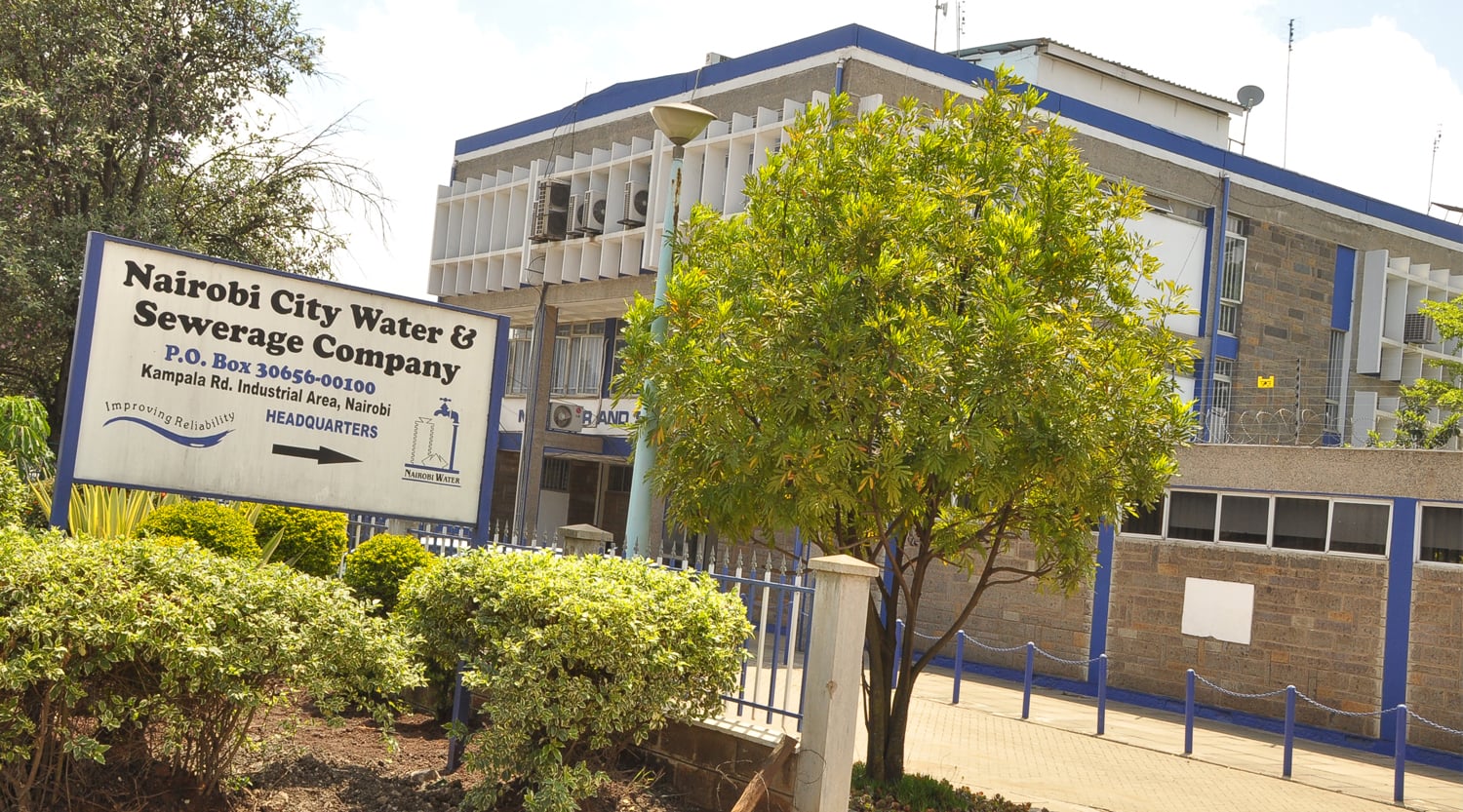
Managing director, Nairobi City Water and Sewerage Company Ltd