 Faith Nguthu/COURTESY
Walk through Eastleigh, Githurai or Kayole on any morning and you will see Nairobi’s women at work. They sell vegetables, braid hair, sew uniforms, run kiosks and clean other people’s homes.
They are building lives with what they have, not sitting around and waiting to be rescued.
But too many are stuck.
Figures from the latest census showed that more than 30 percent of Nairobi County’s women were neither working nor in school or training.
The wider picture is equally depressing.
Kenya’s informal sector added more than 700,000 jobs in a recent period, while the formal sector added less than 80,000. For most women, informal work is the only door that is open to them.
When I speak to women across this county, I notice something that surprises people.
There are several programmes aimed at helping women: the Women Enterprise Fund, the Uwezo Fund and the Access to Government Procurement Opportunities scheme (AGPO).
AGPO aims to raise to 30 percent the share of public procurement spending that goes to women, young people and persons with disabilities. These are real opportunities.
In practice, many women never reach those opportunities. AGPO-registered businesses made up just under five percent of the 515,200 licensed women-owned enterprises that are eligible.
Researchers point to lack of awareness, delayed payment and corruption as the main obstacles.
Strathmore University found information gaps and misinformation that keep many women entrepreneurs out of AGPO. Others cite difficulty finding collateral to secure loans.
So the gap is between the programme and the person. A woman in Mathare with a tailoring business and a real talent for it does not know which office to visit, which form to fill or whom to ask.
She hears about a tender after it has closed. She hears about a fund from a neighbour who heard it from someone else.
While opportunity exists, it travels slowly, and it rarely reaches the women who need it most. That is the gap that should be closed.
My idea of leadership goes beyond simply representing women, youth and all the people of Nairobi. Leadership ought to create real opportunities for them.
A woman in Nairobi should know where to go, who to approach and what is available to her. She should find skills training that matches the market.
She should find help to register her business, win government work and connect with the institutions that can finance her growth.
A Woman Representative job, over and above her legislative work, is to build those links and keep them working. That is representation.
This is also why I believe leadership must not appear only during campaigns or public events. Leaders should be present in communities, easy to reach and accountable for what they say.
My approach is to listen first. I will identify the real problems, not the ones that look good on a poster. I will build partnerships with government, business and civil society.
Then I will measure what has actually changed. How many women registered? How many won contracts? How many businesses survived and grew? If the numbers do not move, the work is not finished.
I know some will say these are small steps. I disagree. A single woman who learns about a tender in time, wins it and hires two others changes her household and her street. Multiply that across a county of millions, and you change a city.
My vision is a Nairobi where women are not only beneficiaries of development but active participants in creating it. They would be entrepreneurs, professionals, community leaders, innovators and decision-makers.
I want women to leave every meeting with me asking not “What was promised to us?” but “What can we build together?”
That is the leadership Nairobi deserves.
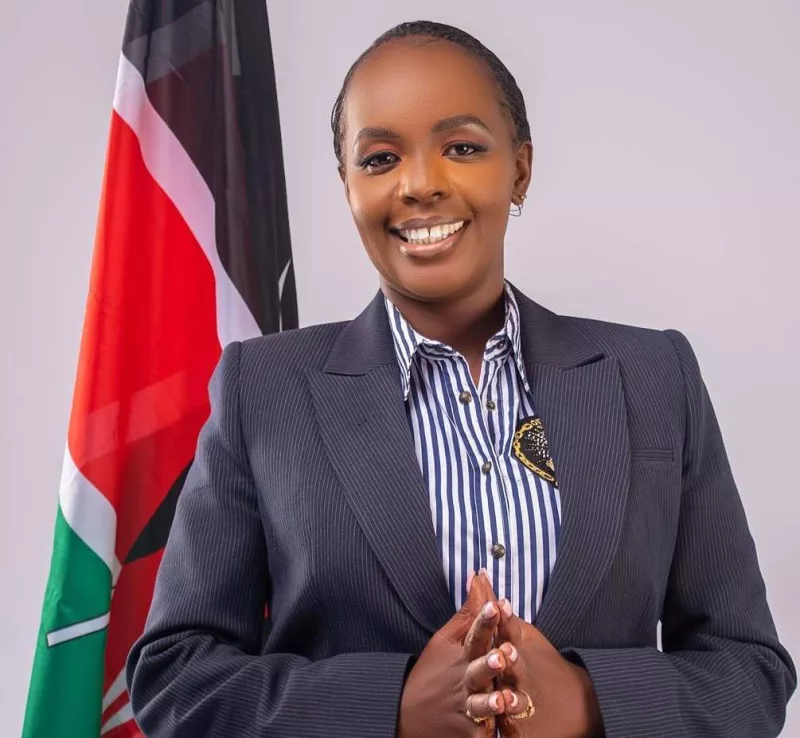
The writer, an aviation student, is an aspirant for the Nairobi County Woman Representative seat.